Kedin Serrano
Travel Expert


 Aventure
Revitalize your soul and experience the stunning, adrenaline-filled landscapes of Peru.
Aventure
Revitalize your soul and experience the stunning, adrenaline-filled landscapes of Peru.
 Cultural
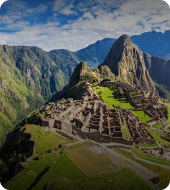
Peru’s mystical roots and Inca traditions stretch from Machu Picchu to the Nazca Lines.!
Cultural
Peru’s mystical roots and Inca traditions stretch from Machu Picchu to the Nazca Lines.!
 Gastronomy
Peruvian gastronomy—from Pachamanca to ceviche—offers a fresh new taste of our cuisine.
Gastronomy
Peruvian gastronomy—from Pachamanca to ceviche—offers a fresh new taste of our cuisine.
 Wellness
Connect with the magnificent Mother Earth and be at one with your own essential energy.
Wellness
Connect with the magnificent Mother Earth and be at one with your own essential energy.
 Local Living
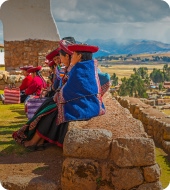
Real local connections: hike the Andes, explore markets, and harvest organic products.
Local Living
Real local connections: hike the Andes, explore markets, and harvest organic products.
 Luxury
Our luxury tours offer private guides, bespoke itineraries, and refined comforts
Luxury
Our luxury tours offer private guides, bespoke itineraries, and refined comforts
Get our Travel Tips delivered to your Inbox



 View All Photos
Cultural
Easy
Galapagos, Guayaquil, Quito
Nature
| cardinfo-text-5 | ||
| cardinfo-text-7 | Not included | |
| cardinfo-text-8 | cardinfo-not-included | |
 cardinfo-text-9
cardinfo-text-10
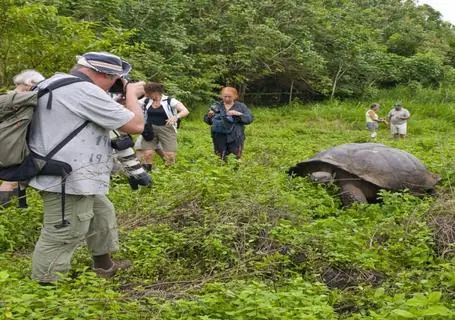
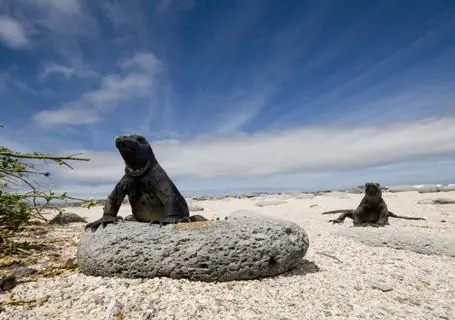
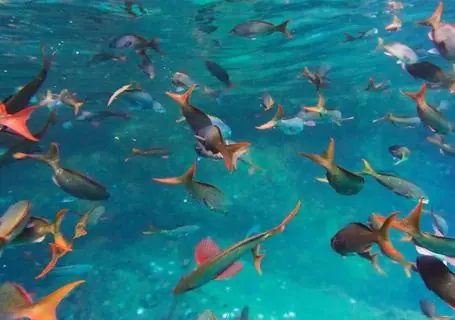
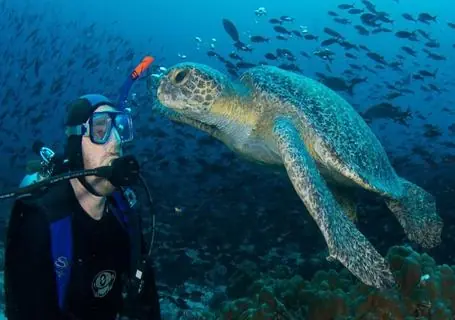
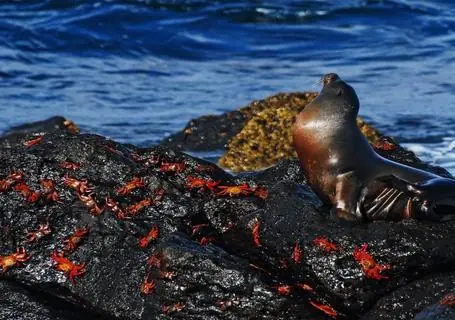
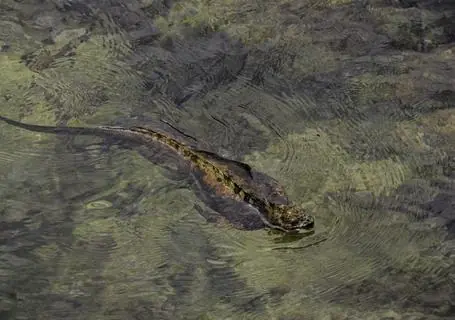
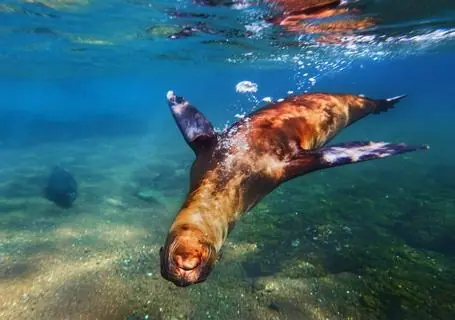
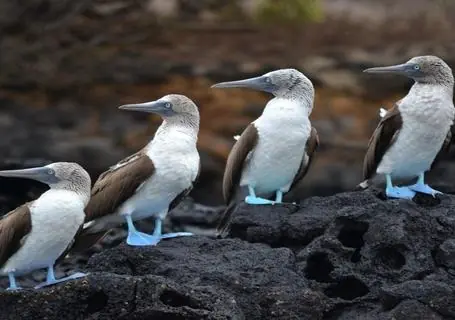
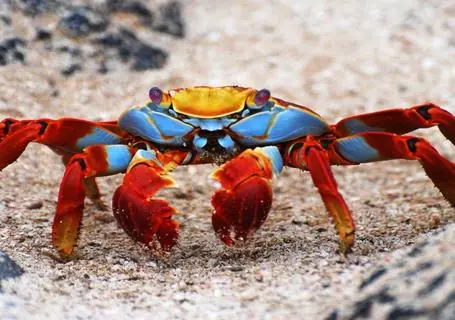
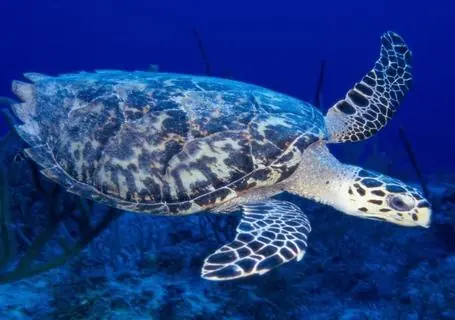
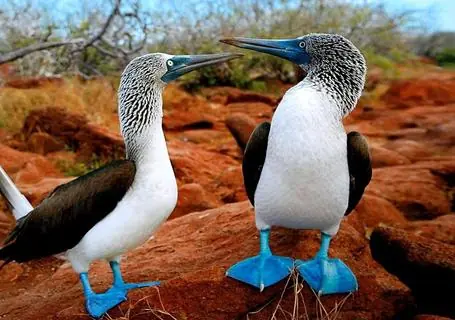
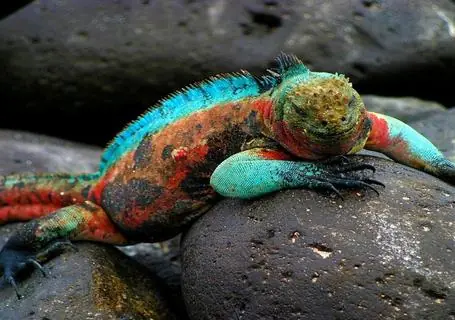
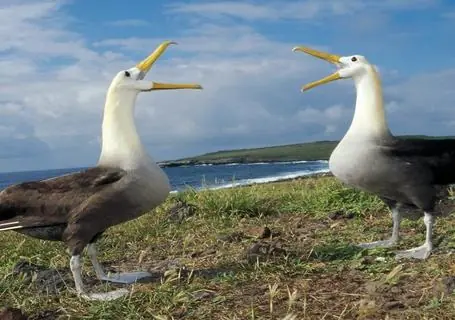
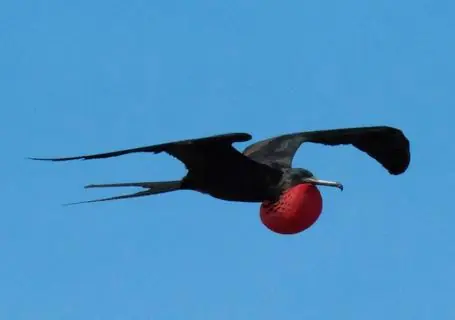
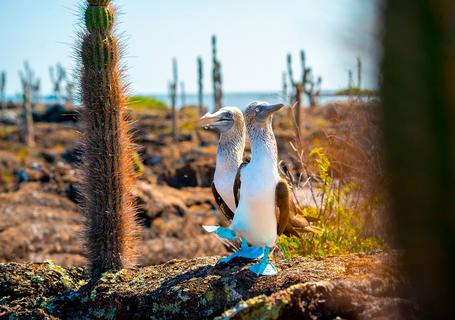
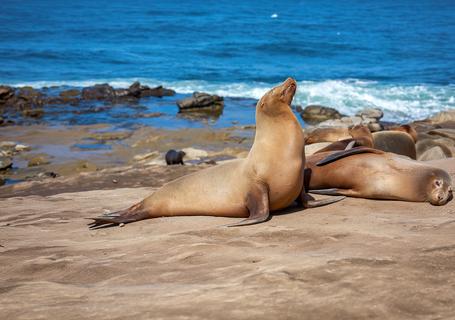
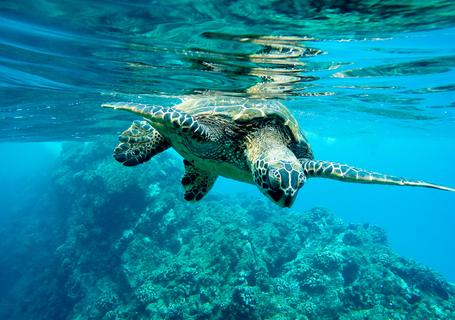
Discover the enchanting Galapagos Islands through this island-hopping tour! The Galapagos Islands offer endless opportunities to witness a unique abundance of wildlife in a setting unlike any other on the planet. Due to its isolation, the Galapagos form a natural sanctuary that preserves species, allowing them to evolve over countless millennia. This is one of the few places on earth that allows such close and intimate contact with the wildlife. The tour also provides many benefits to local communities and is socially and environmentally responsible. Be part of an educational and inspirational journey of a lifetime in one of the most fiercely protected marine wildernesses in the world!
Speak to an expert
Call our experts or schedule a video consultation for inspiration and expert guidance.
Travel Expert

Travel Expert

Travel Expert

Travel Expert
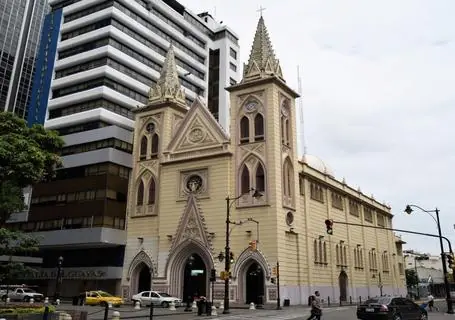
The first day of our Galapagos tour is all about getting the group together and providing the necessary information for our wonderful adventure to come. If you arrive reasonably early in Guayaquil, you can spend the day exploring the surrounding area. There’s plenty to see and do in and around Guayaquil, and our representative can help you organize a day trip – just ask us in advance.
In the evening, at around 6 p.m. your guide will meet you at the hotel lobby for a welcome briefing. We’ll discuss all the details of our upcoming Galapagos trip, and answer any questions you may have. After the briefing, we’ll go out for dinner (not included) with the group, so we can all get to know each other better.


calendar-consult-us
Transportation: Comfortable land and sea transportation.
Domestic flights: Guayaquil - Galapagos - Guayaquil.
Accommodation: based on double occupancy: 5* hotel in Guayaquil, 3+* star hotels in Galapagos (4 nights).
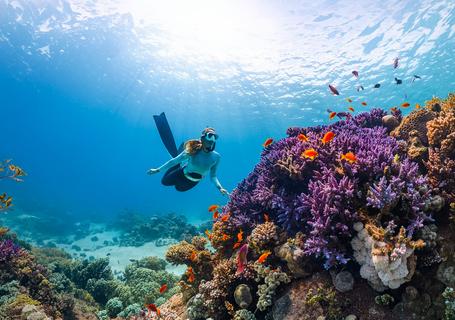
Activities: Snorkeling in the Lava Tunnels, trekking to the top of the Sierra Negra active volcano, snorkeling and kayaking in Tintoreras, visit to the Charles Darwin Research Station, hiking in Santa Cruz highlands.
Meals: 6 breakfasts, 2 lunches.
Gear: Snorkeling mask and fins, life vest.
Professional Guide: Certified local expert English-speaking guides.
additional-info-info
Traveling to a country as diverse and culturally rich as Peru is an incredible experience that can leave a lasting impact on both the traveler and the destination. As tourism continues to grow, it's essential for visitors to be mindful of their actions and choices to ensure that their presence contributes positively to the local communities, environment, and culture. This article aims to provide valuable insights and guidelines on how to be a responsible tourist when exploring the enchanting landscapes and vibrant traditions of Peru.
Peru boasts a remarkable cultural heritage that includes ancient civilizations like the Inca, as well as the customs and traditions of its indigenous communities. As a responsible tourist, it's crucial to respect and appreciate the local culture. This includes dressing modestly when visiting sacred sites, asking for permission before taking photos of people, and refraining from disrupting religious ceremonies.
One of the most effective ways to positively impact a destination is by supporting its local economy. Prioritize staying in locally-owned accommodations, dining at local restaurants, and purchasing handmade crafts and products from local artisans and local businesses. This practice ensures that the money you spend directly benefits the communities you visit, creating a sustainable source of income for them. You will probably also get a lower price too!
When planning your trip to Peru, opt for tour operators such as Valencia Travel that prioritize sustainability and responsible tourism practices. Look for those that follow ethical guidelines, focus on minimizing their environmental footprint, and support local initiatives. Responsible tour operators often provide educational experiences that foster an understanding of the local culture and environment.
If you are planning to trek along the Inca Trail to machu Picchu, select a tour operator such as Valencia Travel that values and respects the rights of porters. Ethical tour companies ensure that porters are treated fairly, paid decent wages, provided with proper equipment, and work in safe conditions. They limit the weight porters carry and prioritize porter welfare throughout the journey.
The issue of plastic pollution affects destinations worldwide, and Peru is no exception. Bring a reusable water bottle and a cloth bag to avoid single-use plastic items. Many hotels and restaurants in Peru are adopting eco-friendly practices, so support their efforts by using eco-friendly products and avoiding unnecessary plastic consumption.
Peru is home to diverse ecosystems, from the Amazon rainforest to the Andes Mountains. Be conscious of your water and energy usage, especially in regions where resources might be scarce. Opt for eco-friendly activities like hiking and wildlife spotting that have minimal impact on the environment.
Peru is known for its unique wildlife, including the majestic condors and colorful Amazonian creatures. However, it's vital to maintain a respectful distance from animals and their habitats. Avoid touching, feeding, or attempting to get too close to wild animals, as this can disrupt their natural behavior and ecosystems.
Whether you're exploring the bustling streets of Lima or the remote trails of Machu Picchu, always dispose of your waste responsibly. Use designated trash bins and recycling facilities, and if none are available, carry your trash with you until you find an appropriate place to dispose of it.
Being a responsible tourist in Peru is about making conscious choices that preserve its cultural heritage, protect its environment, and support its communities. By respecting local traditions, supporting the local economy, and choosing sustainable practices, you can leave a positive impact on this beautiful country while creating unforgettable memories for yourself. Remember that your actions as a responsible traveler in Peru can inspire others to follow suit, ensuring that Peru remains a vibrant and cherished destination for generations to come.
Peru, has long been a magnet for travelers seeking an adventure that combines natural wonders and historical intrigue. From the awe-inspiring ruins of Machu Picchu to the lush biodiversity of the Amazon rainforest, the allure of Peru is undeniable. However, as the global movement towards eco-consciousness gains momentum, it becomes imperative for travelers to explore this remarkable country with a commitment to sustainability. From supporting indigenous artisans to responsible wildlife viewing in the Amazon, reducing plastic waste to choosing eco-friendly accommodations, this guide is your roadmap to responsible and sustainable travel in Peru. Discover how you can immerse yourself in Peru's wonders while leaving only footprints and taking away unforgettable memories and a sense of fulfillment. Join us on this journey to explore the best of Peru in a way that respects its heritage and protects its natural beauty.
Stay in locally-owned accommodations, eat in local restaurants, and buy handicrafts from local artisans. This helps the local economy and reduces the carbon footprint associated with large, international chains.
When visiting the Amazon rainforest or other natural areas, choose operators that follow ethical wildlife viewing guidelines. Avoid tours that engage in activities harmful to animals, such as riding them or getting too close to nesting sites.
Peru has a rich cultural history. When visiting archaeological sites like Machu Picchu or historic towns like Cusco, be respectful of the heritage. Do not touch or climb on ancient structures and follow the guidance of local authorities.
Carry a reusable water bottle and use water purification methods to reduce the need for single-use plastic bottles. Avoid using plastic bags and opt for reusable bags.
Conserve resources by turning off lights, air conditioning, and heating when not in use. Limit your water usage and choose accommodations with water-saving initiatives.
Look for tour operators like Valencia Travel that have sustainability initiatives, such as waste reduction, renewable energy use, and low-impact transportation options. They should also employ local guides who can provide insight into the culture and ecosystem.
If you plan on hiking along the Inca Trail to Machu Picchu, use the services of operators who follow Leave No Trace principles. Pack out your waste, and choose responsible tour companies with responsible camping practices.
Use public transportation or shared transportation options when moving between cities or exploring regions. This helps reduce the carbon footprint associated with private vehicles.
Choose accommodations that are certified as eco-friendly or sustainably operated. These lodges often have initiatives in place to minimize their environmental impact.
Take the opportunity to educate yourself about the local flora and fauna. Understanding the environment helps you appreciate it more and encourages its protection.
Be mindful of water consumption, especially in regions where water is scarce. Take shorter showers and reuse towels to reduce the need for frequent washing.
Always use designated trash and recycling bins, and do not litter. In rural areas, pack out your trash to avoid impacting local ecosystems.
Consider donating to local conservation organizations working to protect Peru's natural and cultural treasures. Visit museums and cultural centers that contribute to preservation efforts.
Do not disturb wildlife, and stay on designated paths in protected areas to minimize your impact on the environment.
By following these sustainable practices, eco-friendly tourists can help preserve Peru's stunning natural beauty and rich cultural heritage for future generations while also supporting local communities and minimizing their environmental footprint, during your trip to Peru. Eco-friendly tourism practices not only enrich your travel experience but also ensure that the natural beauty and cultural richness of Peru are preserved for generations to come, and will allow you to savor the splendors of Peru while minimizing your environmental footprint and contributing positively to the local communities.
Peru, a land of astonishing ecological diversity, rugged mountain ranges, and ancient civilizations, stands as a testament to the remarkable harmony between nature and culture. From the Amazon rainforest to the majestic Andes and the mysterious Nazca Lines etched in the arid desert, Peru's landscapes hold an exceptional beauty that has captured the world's imagination. Yet, beneath this enchanting facade lies a delicate balance that requires our vigilant care and environmental consciousness. Environmental awareness is of vital importance whenever people visit on their Peru vacation package. Find out more here.
Peru is one of the world's most biologically diverse countries, home to a wide range of ecosystems, including the Amazon rainforest, Andes mountains, and coastal deserts. Preserving this biodiversity is crucial for the health of the planet and for future generations.
Many indigenous communities in Peru rely on the environment for their livelihoods and cultural identity. Environmental awareness is essential to protect their rights and ensure that their traditional knowledge is respected.
Peru is particularly vulnerable to the impacts of climate change, including glacial melting in the Andes and extreme weather events. Raising awareness about climate change is essential for mitigating these effects and adapting to new challenges.
Peru is a major producer of agricultural products, including quinoa and coffee. Environmental awareness in Peru is critical for promoting sustainable farming practices that preserve soil and water resources.
Peru's natural beauty, including the Amazon River, Machu Picchu, and the Nazca Lines, is a major driver of its economy through tourism. Environmental conservation is essential for preserving these attractions and maintaining the tourism industry.
Access to clean water is a fundamental human right, and many Peruvians rely on rivers and lakes for their water supply. Protecting these water sources from pollution and overuse is essential for public health.
Peru faces challenges from illegal logging and mining activities, which can have devastating effects on the environment. Environmental awareness can help combat these illegal activities and promote sustainable resource management.
Peru is a signatory to international agreements and conventions aimed at environmental protection, such as the Paris Agreement and the Convention on Biological Diversity. Environmental awareness is crucial for fulfilling these commitments.
Environmental degradation can have a direct impact on public health in terms of air and water pollution. Promoting environmental awareness can help reduce these health risks.
Sustainable environmental practices are essential for the long-term economic well-being of the country. Environmental degradation can lead to increased costs, reduced agricultural productivity, and the loss of natural resources.
In conclusion, environmental awareness in Peru is crucial for preserving the country's unique natural resources, protecting the rights and livelihoods of Peru´s indigenous communities, and ensuring a sustainable and healthy future for its citizens. It also plays a significant role in Peru's global commitments to environmental protection and its economic stability. The importance of environmental awareness in Peru cannot be overstated. This nation is both a treasure trove of biodiversity and a testament to the enduring traditions of indigenous communities. It is a place where the effects of climate change are acutely felt, where sustainable agriculture and responsible tourism are pivotal to the economy, and where the protection of vital water resources is non-negotiable. Peru's environmental challenges and triumphs resonate globally, as it navigates the intricate interplay of conservation, culture, and development.
Call us or schedule a video consultation on +1 917 983 2727
Speak to an experttop-tours-info
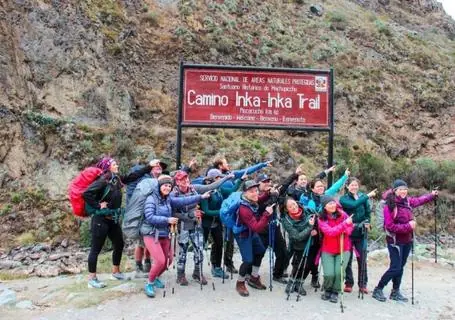
Experience the ultimate 7-day Inca Trail adventure, combining breathtaking Andean trekking, cultural highlights, and a rewarding arrival at Machu Picchu.
card-type-tagAdventure
card-activity-tagModerate - Demanding

Valencia Travel's classic Peru trip is a bucket-list adventure. This 7 Day trip will take you on unforgettable experiences throughout the Peruvian heartland.
card-type-tagCultural, Gastronomy
card-activity-tagEasy
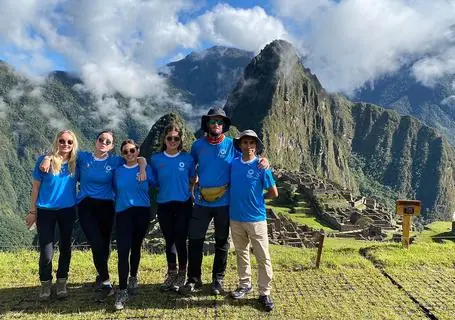
Trek on the legendary 4-day Classic Inca Trail to Machu Picchu! This ultimate 2027 summer adventure vacation highlights gorgeous ancient Inca ruins, dramatic alpine passes, and pristine cloud forests.
card-type-tagAdventure
card-activity-tagModerate - Demanding
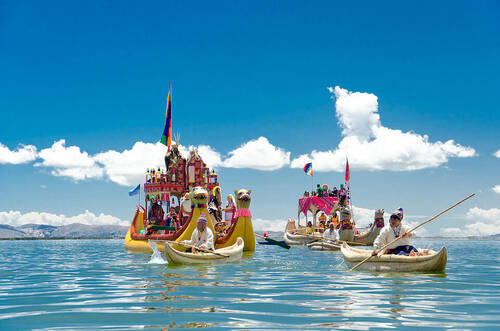
Discover Peru's sites on our 12-Day Classic Peru Tour. Visit Machu Picchu, Lima's culinary delights, and Cusco's cultural heritage. Experience all this and more!
card-type-tagCultural
card-activity-tagModerate




asso-info-description