
 Aventure
 Cultural
 Gastronomy
 Wellness
 Local Living
 Luxury
History of Gold in Peru: Inca Treasures, Museums and Legacy
Written by:Claire Dean
Last Update: 2026-07-09
Peru has one of the world's most fascinating relationships with gold. From ancient civilizations and the Inca Empire to the Spanish conquest and modern mining operations, gold has shaped the country's history, culture, and identity. This article explores why gold was important to the Incas, how it was used in religious ceremonies, where travelers can see remarkable gold artifacts today, and how Peru's long connection with this precious metal continues to influence the country, creating incredible opportunities to discover this history through gold museums and related attractions on your trip to Peru.
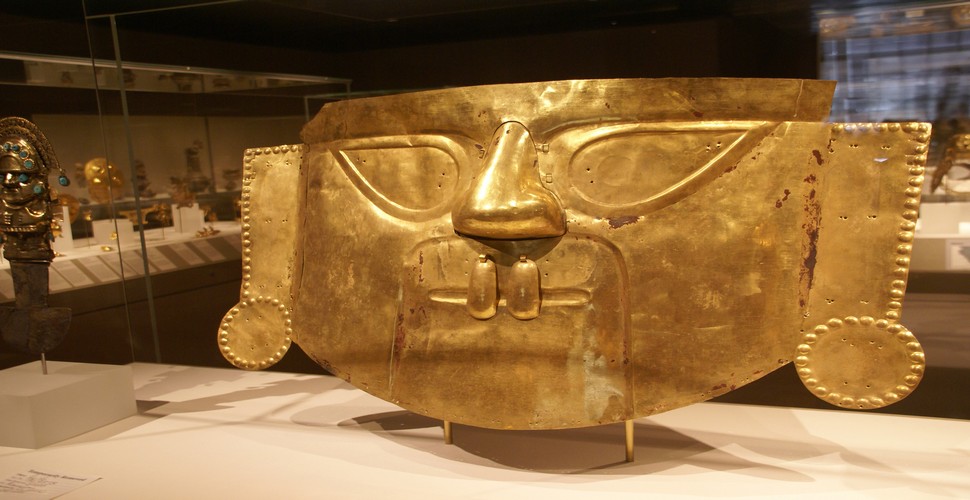
Golden Inca Mask
Why Was Gold Important to the Incas?
Peru's fascination with gold dates back to the Inca Empire, which flourished from the early 15th century until the Spanish conquest in the 16th century. The Incas revered gold as a symbol of the sun god, Inti, and it played a central role in religious ceremonies, sacred architecture, and artistic expression. This legacy is highly visible when you explore the main destinations across the country.
For the Incas, gold was not primarily a form of wealth. Instead, it held spiritual significance and represented divine power. Temples, ceremonial objects, jewelry, and offerings were often crafted from gold to honor the gods. While the conquistadors looted vast amounts of Inca gold, some treasures and historical sites remain, offering travelers a glimpse into this remarkable era, making it one of the best of Peru travel experiences.
Where to See Inca Gold in Cusco
Travel Tip
Explore Cusco and visit the Coricancha, also known as the Temple of the Sun. Once considered one of the most important religious centers in the Inca Empire, it was famous for its gold-covered walls and sacred decorations. Additionally, consider visiting Cajamarca, home to the famous Atahualpa Ransom Room, where the Inca emperor reportedly offered gold in exchange for his freedom after being captured by the Spanish.
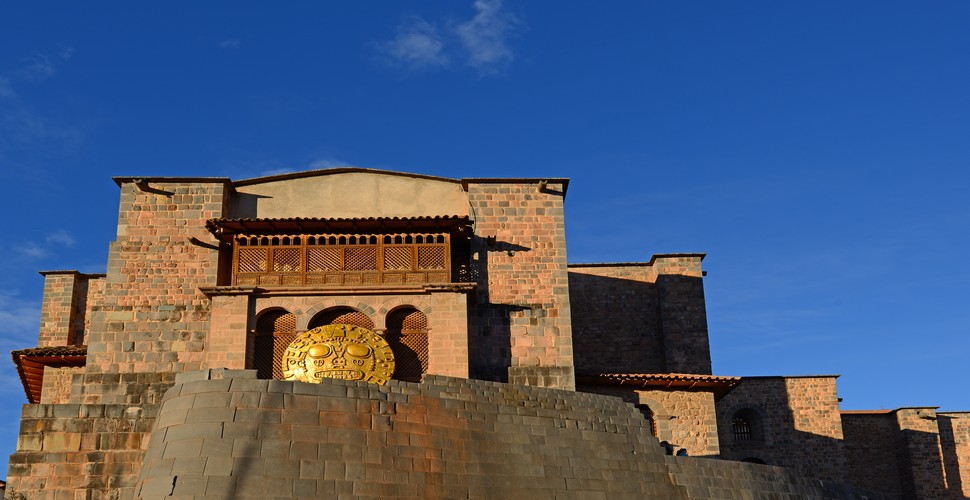
The Coricancha, Cusco
How the Spanish Conquistadors Plundered Inca Gold
The arrival of Spanish conquistadors in the early 16th century marked a dramatic turning point in Peru's history. The search for gold, combined with the expansion of Spanish rule and Christianity, led to the exploitation of indigenous communities and the systematic looting of priceless gold artifacts and ceremonial treasures. Museums in Peru help explain this period through archaeological collections, historical exhibits, and preserved artifacts.
Many of these artifacts were melted down and shipped to Europe, resulting in the loss of an important part of Andean cultural heritage. Museums throughout Peru help explain this period through archaeological collections, historical exhibits, and preserved artifacts. For those interested in historical trails, this conquest reshaped access to routes like the short Inca Trail to Machu Picchu.
Visit the Gold Museum in Lima to Witness the Surviving Heritage
Travel Tip
Plan a visit to Lima's Gold Museum to view an extensive collection of pre-Columbian gold artifacts, ceremonial objects, jewelry, and treasures from ancient Peruvian cultures. Guided tours offer indispensable historical context and help visitors understand the impact of the conquest on Peru's cultural legacy.
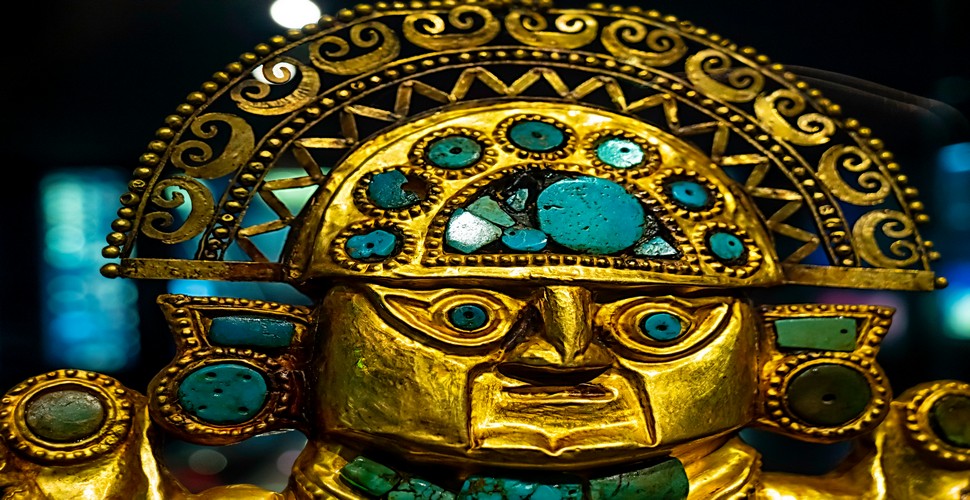
Gold and Turquoise Tumi
The History of Gold Mining in Peru
Today, Peru remains one of the world's leading gold-producing countries. Gold mining continues to contribute to the national economy, although it also raises environmental and social concerns in some regions. Travelers interested in these contemporary aspects can explore regions like Madre de Dios, known for its gold mining activities.
Areas such as Madre de Dios have become well known for mining activity, bringing to light the complex environmental challenges facing the Peruvian Amazon. This modern chapter adds another layer to Peru's long and complex relationship with gold.
Madre de Dios and Sustainable Tourism
Travel Tip
To understand the modern complexities of Peru's gold legacy, thoughtful travelers can engage with conservation-led initiatives in Madre de Dios. These journeys often provide insight into preservation efforts while showcasing the biodiversity of the Amazon rainforest. A visit to Tambopata National Reserve offers an opportunity to experience one of Peru's richest wildlife regions.
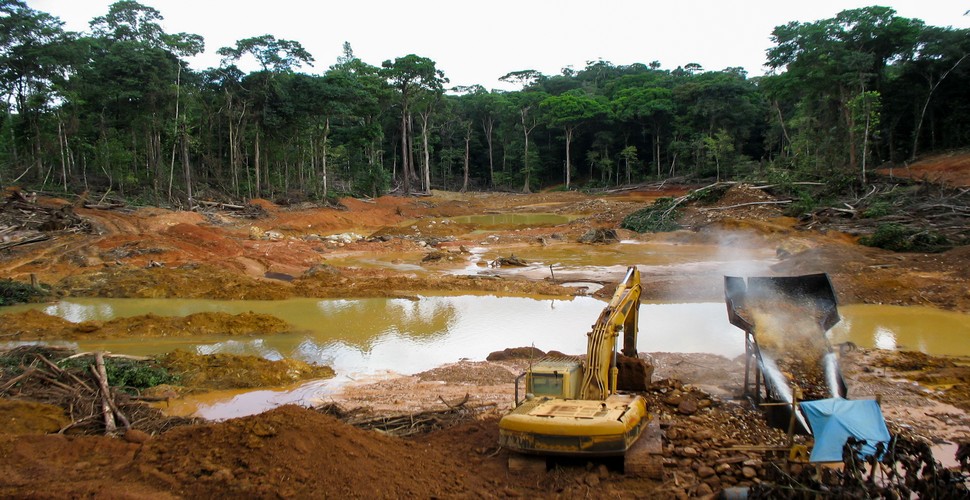
Illegal Gold Mining in The Amazon
Best Gold Museums in Peru
Several museums across Peru help visitors understand the artistic, cultural, and historical importance of gold throughout the country's history. These institutions offer valuable insights into exceptional gold museums that shouldn't be missed.
Gold Museum, Lima
This capital city institution houses an extraordinary collection of pre-Columbian artifacts, jewelry, ceremonial pieces, and ceramics, serving as the perfect introduction to Peru's relationship with gold.
National Gold Museum, Trujillo
Situated in northern Peru, this museum highlights ancient goldsmithing techniques and showcases how different pre-Columbian civilizations used gold in daily life, ceremonies, and elite society.
Museo Oro del Perú, Piura
This museum focuses on northern Peru's mining heritage and includes educational exhibits that explain the role of gold throughout regional history.
Museum of Pre-Columbian Art (MAP), Cusco
The Museum of Pre-Columbian Art – MAP Cusco, commonly known as MAP Cusco, invites travelers to trace more than 3,000 years of Andean history. Its Gold Exhibition explores symbols connected to Andean cosmology and the concept of complementary duality, an important organizing principle in Inca society.
The exhibition demonstrates how gold and silver represented balance within the Andean worldview, much like day and night or male and female. Visitors can admire remarkable examples of craftsmanship, jewelry, ceremonial objects, and artistic works created by ancient Peruvian cultures. For those seeking a profound cultural encounter in destinations in Cusco, MAP remains an essential stop.
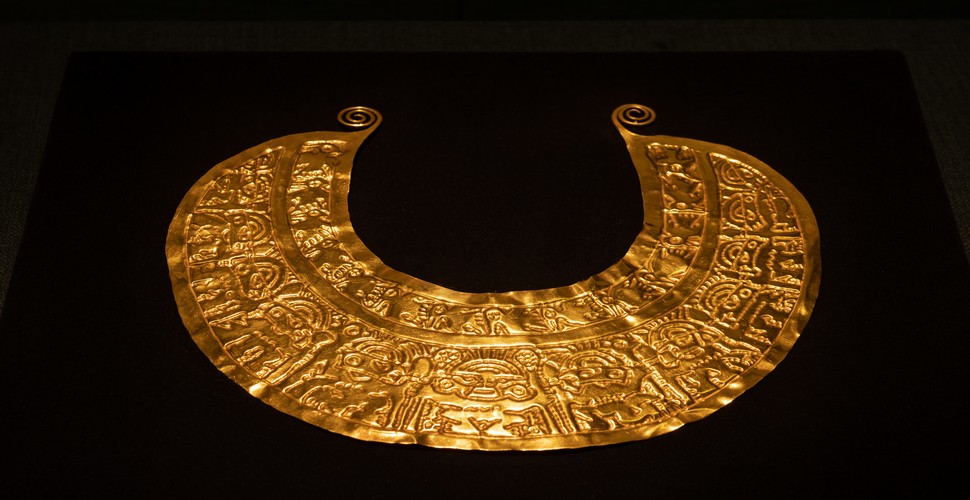
Gold Collar, MAP Museum, Cusco
Discovering Peru Through Its Golden Legacy
The story of gold in Peru remains deeply woven into the fabric of its national identity. From the sacred traditions of the Inca Empire and the dramatic events of the Spanish conquest to the opportunities and challenges of modern mining, gold continues to be a central thread in the country's history. By visiting sites such as Coricancha, Cajamarca, Lima's Gold Museum, and MAP Cusco, travelers can better understand why gold was so important to the Incas and how it continues to shape Peru today, which can be part of an extended journey to explore the destinations in Cusco or a broader discovery across multiple destinations.
If Peru's history, archaeology, and cultural heritage inspire your next adventure, Valencia Travel can help you design a journey that combines Cusco, Machu Picchu, museums, and lesser-known historical sites for a deeper understanding of the country's remarkable past.
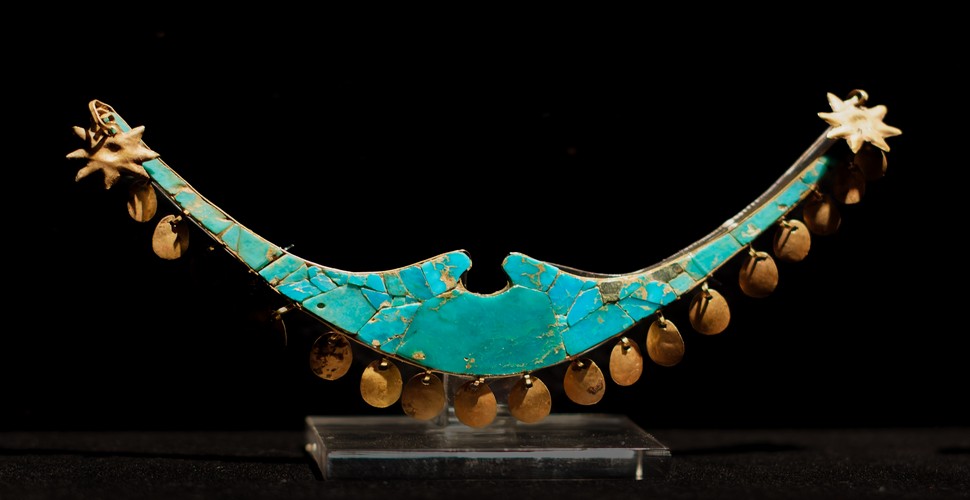
Peruvian Necklace
SHARE THIS POST
popular-posts-title