
 Aventure
 Cultural
 Gastronomy
 Wellness
 Local Living
 Luxury
Cusco to Machu Picchu: Updated Travel Guide for 2027
Written by:Claire Dean
Last Update: 2026-07-22
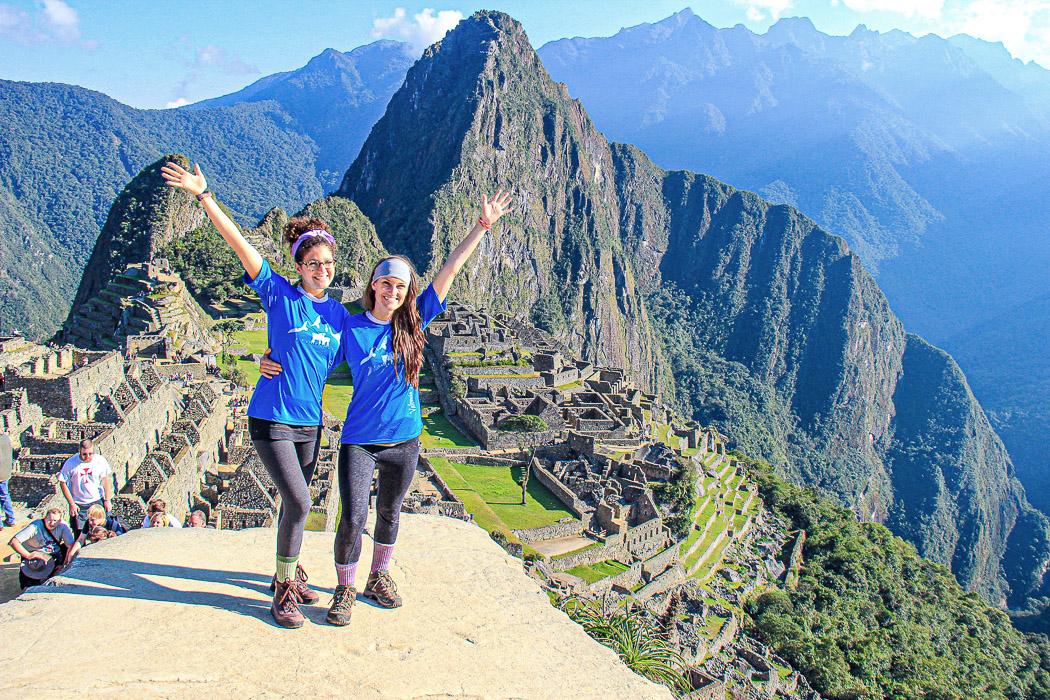
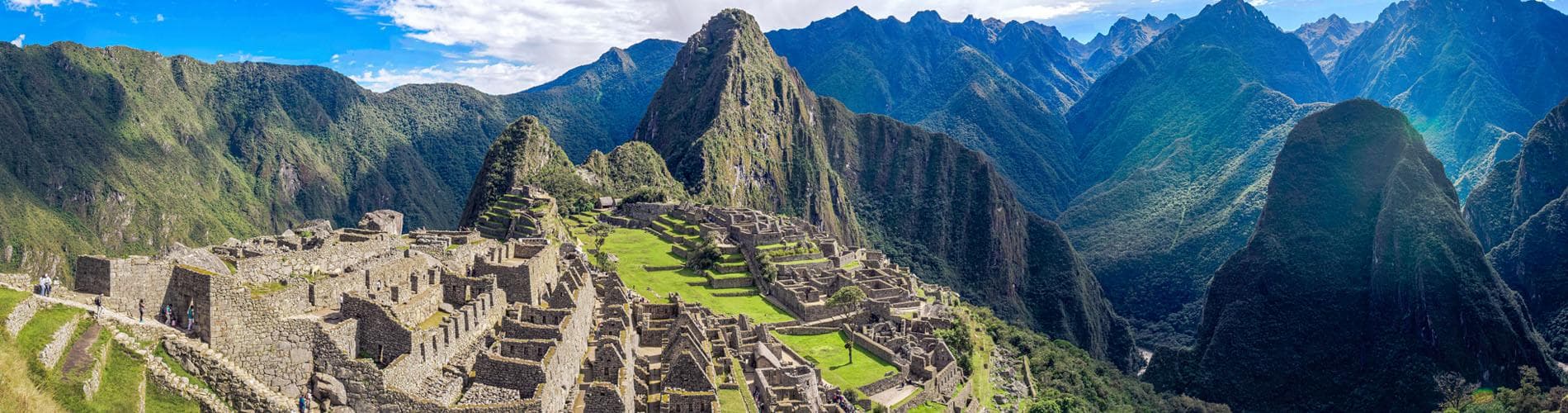
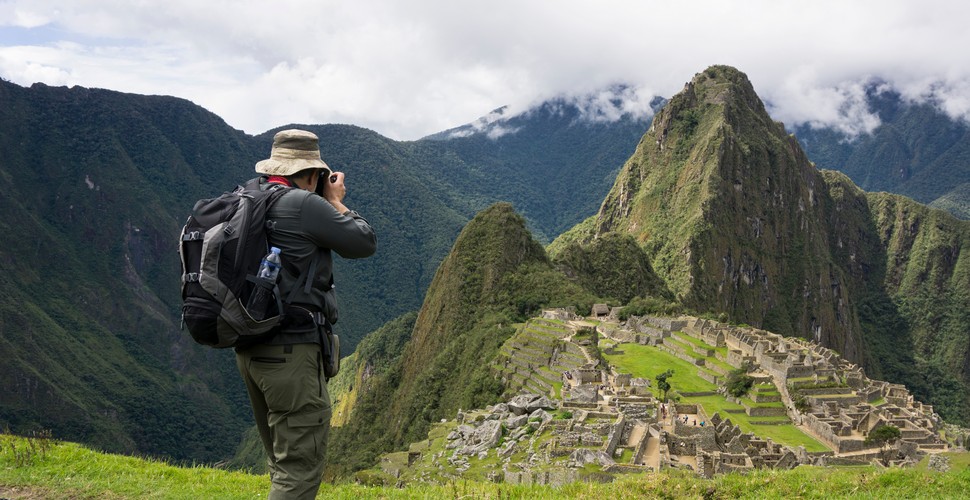
Cusco to Machu Picchu and how you get there is probably one of the most popular questions travelers ask! The iconic Inca site of Machu Picchu is a dream come true for most travelers to Peru. The mystical fortress that rests precariously among the clouds is a bucket-list item for millions of visitors every year. One question, however, remains constant: how do you actually get there? There are basically three main ways to get from Cusco to Machu Picchu in 2027: By train, on foot, or a roundabout combination of car and hike. Join us as we explore the ins and outs of reaching the iconic Inca site, so that your Peru vacation package is a breeze, not a headache. Here is everything you need to know about how you get from Cusco to Machu Picchu, fully updated for 2027.
How Do You Get to Cusco?
The first step on your journey to Machu Picchu is getting to Cusco. This is the closest major city to the Inca citadel. Most people will arrive by air at the Alejandro Velasco Astete Airport, which is close to the city center (around 15 minutes). There are many taxis waiting to take you to the center, costing anywhere between S/15 and S/50 Soles, depending on your bargaining skills. Luckily, Valencia Travel includes this transfer on their treks and tours!
The other way to get to Cusco is on a 22-hour long-distance bus from Lima. Choosing the right bus company is important. While very cheap fares may seem tempting, they often come with old, poorly maintained buses and overworked drivers. In Peru, where road safety on mountain routes is a real concern, we strongly recommend opting for reputable bus companies that meet international standards. Opt for Cruz del Sur, Oltursa, SuperCiva, or Ormeño. These are the reputable bus companies for traveling long distances in Peru.
Once you arrive in Cusco, a taxi will take you to the center from the bus terminal. This should cost between S/5 and S/.10 Soles. Most people will spend a night or two in Cusco as they acclimatize and explore the once-Inca capital. Important! Cusco is found at 3,400 meters above sea level (11,155 ft), so acclimatization is a must!
The next stage of most people's Peru trip is figuring out how to get from Cusco to Machu Picchu. These astounding Inca ruins are somewhat hard to reach, as there are no roads leading directly to the Inca Citadel. This means there are three ways to get to the iconic site: by train, on foot, or by a combination of car journey and hike. Each one involves multiple modes of travel and stops along the way.
Taking the Train to Machu Picchu
Traveling by train is by far the most popular and comfortable way to reach Machu Picchu. Services depart from train stations in and around Cusco and the Sacred Valley, arriving in Aguas Calientes (Machu Picchu Pueblo), the town located at the base of the Machu Picchu mountain. Due to recent transportation regulations, some routes now use alternative transfer points in the Sacred Valley before continuing by train to Aguas Calientes.
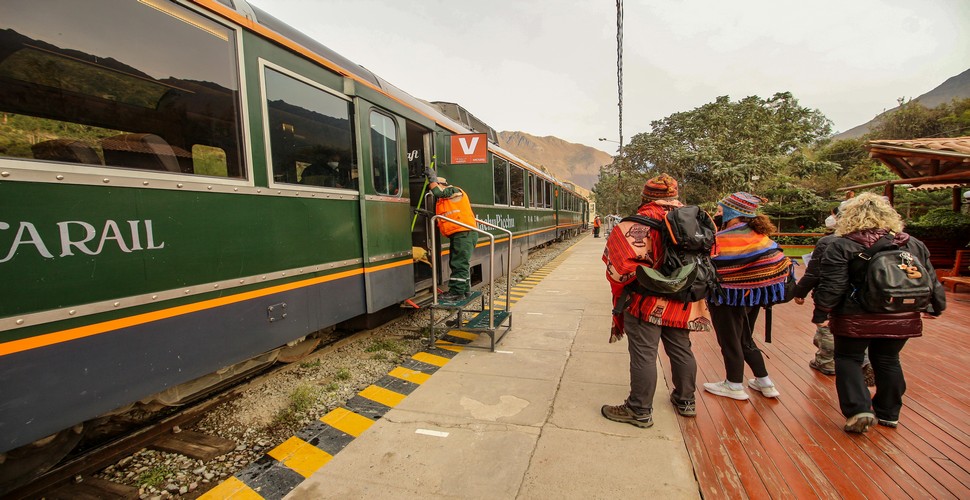
The Train Stations To Machu Picchu
- Wanchaq Train Station
- San Pedro Station
- Poroy Train Station
- Ollantaytambo Train Station
Wanchaq Train Station
Historically, Wanchaq Station has served destinations south of Cusco. Today it is the main departure point for PeruRail's bimodal service to Machu Picchu. This is especially true during the rainy season (January to April), when all train services from Cusco operate in a bimodal format. (Bus to Ollantaytambo or Pachar, then train to Aguas Calientes).
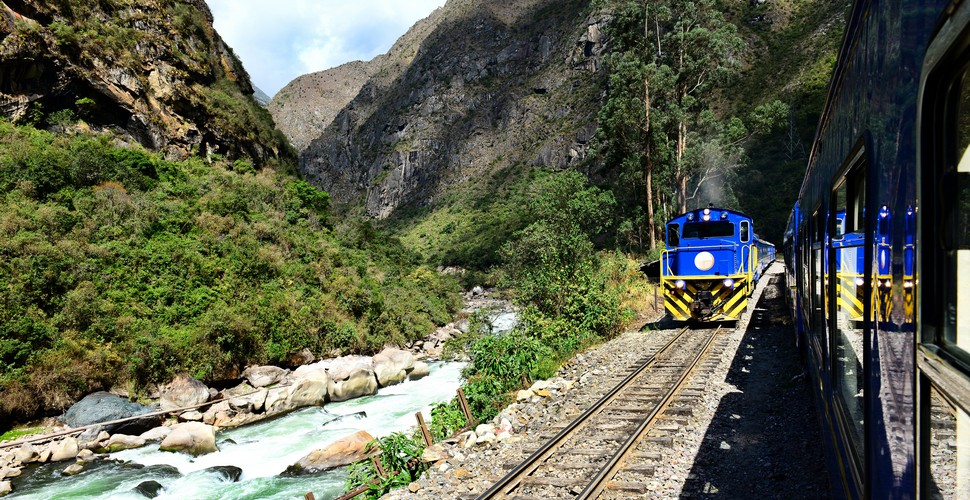
Trains from San Pedro to Machu Picchu
PeruRail is the only train service that departs from the San Pedro Train Station. These trains will cover the longest distance and are only available on 2 schedules. Trains from this station run from April to late December. This coincides with the dry season in the Andes.
San Pedro Train Station is located in the center of Cusco near the market of the same name. It is a short walk from Plaza de Armas. After departing Cusco along a series of switchbacks to get out of the Cusco valley, the train follows the tracks through the Sacred Valley, alongside the Urubamba River, continuing to Aguas Calientes.
These trains are recommended for those who enjoy train travel, specifically, as well as seeing the varied terrains of the Andean region. The train trip to Aguas Calientes takes around five hours.
| Train | Departure Time | Arrival Time in Aguas Calientes |
|---|---|---|
| PeruRail Expedition 31 | 6:40 a.m. | 9:54 a.m. |
| PeruRail Vistadome 31 | 6:40 a.m. | 9:54 a.m. |
| PeruRail Expedition 203 | 7:30 a.m. | 12:11 p.m. |
| PeruRail Vistadome 203 | 7:30 a.m. | 12:11 p.m. |
Trains from Poroy to Machu Picchu
Poroy train station is just outside of Cusco (about 40 minutes away, depending on traffic). It offers the second-longest train ride after departing from San Pedro or Wanchaq. The advantage of taking the train from Poroy is that the journey avoids the switchbacks necessary to travel out of the Cusco valley. This direct train route is offered by both Peru Rail and Inca Rail and takes about 4 hours one way. On your trip from Cusco, we recommend staying in Aguas Calientes overnight.
| Train | Departure Time | Arrival Time at Aguas Calientes |
|---|---|---|
| PeruRail Expedition 33 | 6:40 a.m. | 9:54 a.m. |
| PeruRail Expedition 33 | 6:40 a.m. | 9:54 a.m. |
| PeruRail Expedition 31 | 7:35 a.m. | 10:52 a.m. |
| PeruRail Vistadome 203 | 7:35 a.m. | 10:52 a.m. |
| PeruRail Expedition 203 | 8:25 a.m. | 12:11 p.m. |
| PeruRail Vistadome 203 | 8:35 a.m. | 12:11 p.m. |
| Belmond Hiram Bingham 11 | 9:05 a.m. | 12:24 p.m. |
Trains from Ollantaytambo to Machu Picchu
The most popular and practical departure point in 2027. Travelers first make their way from Cusco to Ollantaytambo by taxi, private transfer, or public combi, and then board the train from there. The train journey to Aguas Calientes takes around 1.5 hours. There are two main advantages: The travel time is much shorter, and you can spend time exploring Ollantaytambo itself. Ollantaytambo is a beautifully preserved Inca town with cobblestone streets and a stunning archaeological site. This option also works perfectly at the end of a Sacred Valley day tour.
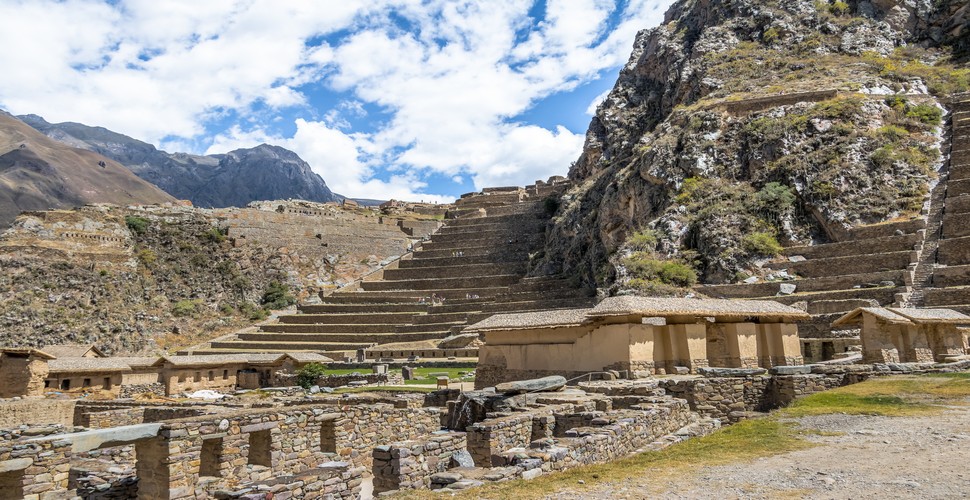
PeruRail trains from Ollantaytambo to Aguas Calientes offer multiple daily departures from early morning through the evening:
| Train | Departure | Arrival |
|---|---|---|
| Expedition 71 | 5:05 a.m. | 6:37 a.m. |
| Expedition 81 | 6:10 a.m. | 7:40 a.m. |
| Vistadome 301 | 7:05 a.m. | 8:27 a.m. |
| Expedition 83 | 7:45 a.m. | 9:15 a.m. |
| Observatory 83 | 7:45 a.m. | 9:15 a.m. |
| Vistadome 601 | 8:00 a.m. | 9:25 a.m. |
| Expedition 33 | 8:29 a.m. | 9:54 a.m. |
| Vistadome 33 | 8:29 a.m. | 9:54 a.m. |
| Vistadome 501 | 8:53 a.m. | 10:29 a.m. |
| Vistadome 31 | 9:15 a.m. | 10:52 a.m. |
| Expedition 31 | 9:15 a.m. | 10:52 a.m. |
| Vistadome 203 | 10:32 a.m. | 12:11 p.m. |
| Expedition 203 | 10:32 a.m. | 12:11 p.m. |
| Belmond Hiram Bingham 11 | 10:53 a.m. | 12:24 p.m. |
| Expedition 91 | 11:52 a.m. | 1:34 p.m. |
| Expedition 73 | 12:55 p.m. | 2:25 p.m. |
| Vistadome 73 | 12:55 p.m. | 2:25 p.m. |
| Vistadome Observatory 303 | 1:27 p.m. | 2:50 p.m. |
| Vistadome 603 | 3:37 p.m. | 5:02 p.m. |
| Expedition 75 | 7:04 p.m. | 8:45 p.m. |
| Vistadome 75 | 7:04 p.m. | 8:45 p.m. |
| Expedition 51 | 9:00 p.m. | 10:45 p.m. |
Schedules are subject to seasonal changes. Always confirm directly at perurail.com.
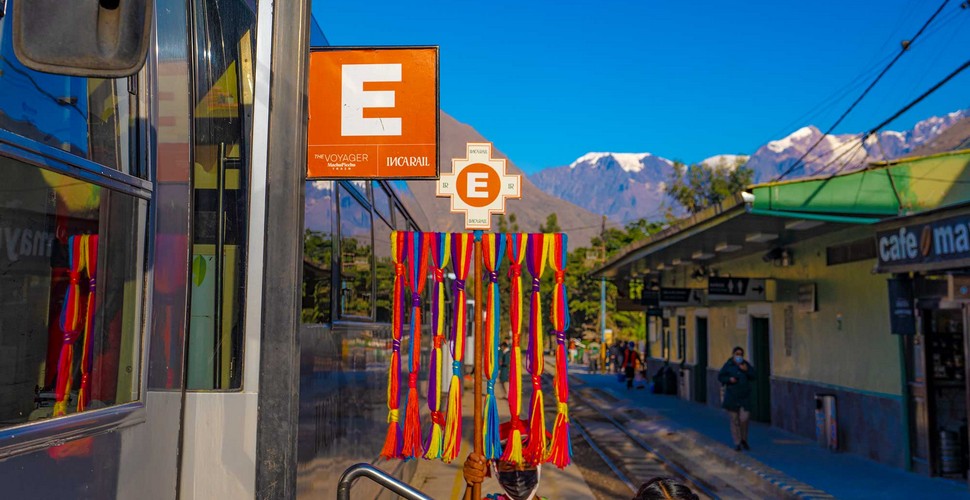
Inca Rail trains from Ollantaytambo to Aguas Calientes include a welcome greeting with traditional Andean music and costumes. We suggest upgrading to the Premium Lounge service for a more exclusive experience.
| Train | Departure | Arrival |
|---|---|---|
| The Voyager 41 | 6:40 a.m. | 8:01 a.m. |
| The Voyager 61 | 7:22 a.m. | 8:48 a.m. |
| 360° Train 61 | 7:22 a.m. | 8:48 a.m. |
| The Voyager 43 | 11:15 a.m. | 12:41 p.m. |
| Premium Lounge 43 | 11:15 a.m. | 12:41 p.m. |
| The Voyager 65 | 12:36 p.m. | 2:00 p.m. |
| The Voyager 45 | 4:36 p.m. | 6:09 p.m. |
| The Voyager 67 | 7:27 p.m. | 9:09 p.m. |
Confirm current availability at incarail.com.
Bimodal Train Service to Aguas Calientes
The bimodal service is a practical option that combines a bus from Cusco to Ollantaytambo (or Pachar, on selected schedules), followed by a train to Aguas Calientes. It is an all-inclusive service that covers all transportation logistics from Cusco to Machu Picchu Pueblo.
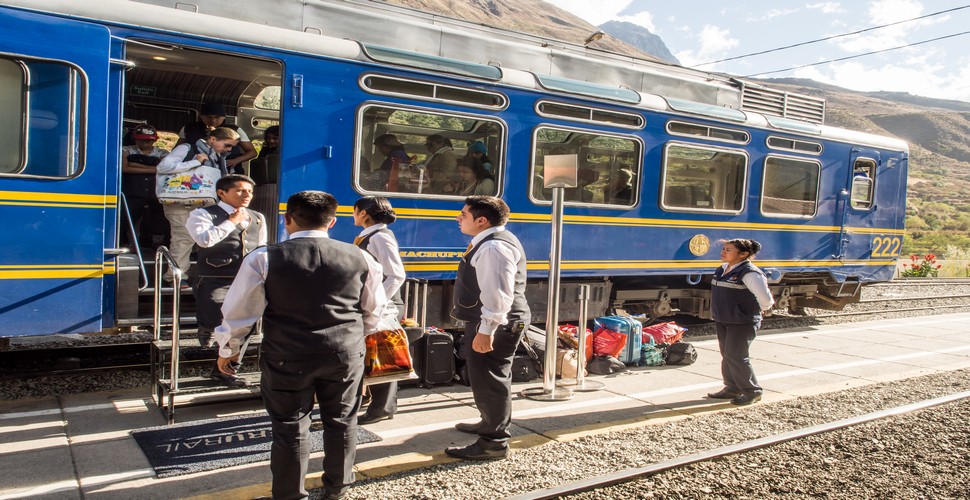
From January to April, this format applies to all PeruRail frequencies departing from Cusco. The main advantage? It can be more affordable, and it gives you the option to explore Ollantaytambo during the layover.
PeruRail Bimodal: Buses depart from Wanchaq Station (5 minutes from the center of Cusco) and connect with the train at Ollantaytambo or Pachar Station.
| Train | Bus departs at | Train arrives at |
|---|---|---|
| Expedition 81 | 3:20 a.m. | 7:40 a.m. |
| Expedition 83 | 5:10 a.m. | 9:15 a.m. |
| Vistadome Observatory 83 | 5:10 a.m. | 9:15 a.m. |
| Expedition 33 | 5:40 a.m. | 9:54 a.m. |
| Vistadome 33 | 5:40 a.m. | 9:54 a.m. |
Inca Rail Bimodal: Buses depart from The Inca Rail office on Av. El Sol in Cusco and connect with the train at Ollantaytambo.
| Train | Bus departure | Train arrives at Aguas Calientes |
|---|---|---|
| Voyager Bimodal 41 | 4:20 a.m. | 8:01 a.m. |
| Voyager Bimodal 61 | 4:50 a.m. | 8:48 a.m. |
| Bimodal 360° Train 61 | 4:50 a.m. | 8:48 a.m. |
| Voyager 43 | 8:30 a.m. | 12:41 p.m. |
| Bimodal Premium Lounge 43 | 8:30 a.m. | 12:41 p.m. |
| Voyager 65 | 9:55 a.m. | 2:00 p.m. |
| Bimodal 360° Train 65 | 9:55 a.m. | 2:00 p.m. |
| Voyager Bimodal 45 | 1:30 p.m. | 6:09 p.m. |
| Voyager Bimodal 67 | 4:15 p.m. | 9:09 p.m. |
The Different Classes of Train to Machu Picchu
Both PeruRail and Inca Rail offer several service levels. Train prices in 2027 will have increased based on previous years: One-way prices for economy services start at approximately $60–$80 USD from Ollantaytambo; panoramic services range from $95 to $135 USD; and the luxury Hiram Bingham starts at around $450 to $540 USD, one-way. Always check current fares directly, as peak season demand (May to September) significantly affects availability.
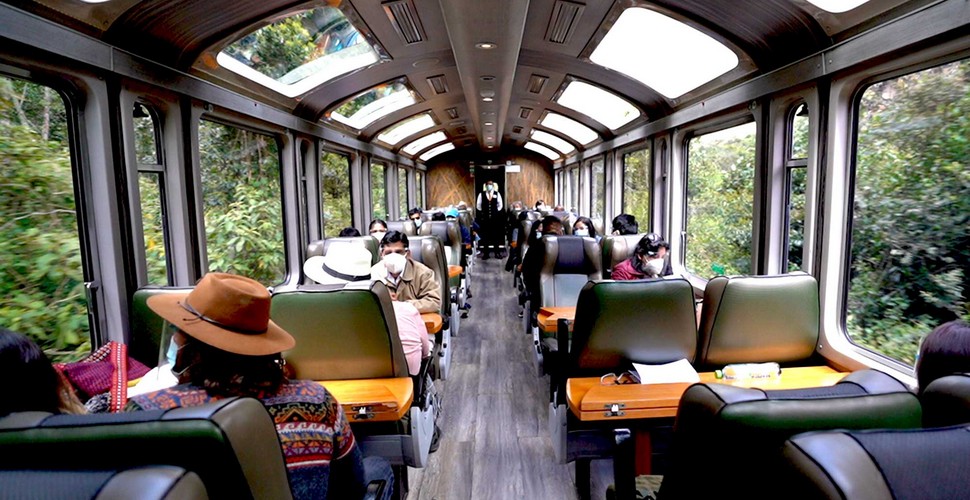
PERU RAIL
PeruRail belongs to the Belmond group. It offers four levels of service to Aguas Calientes. Travelers and non-Peruvians can access three of these; the fourth is a subsidized local train restricted to Peruvians and Peruvian residents.
Expedition Service: The essential tourist service and the most economical option for reaching Machu Picchu. It offers fewer viewing amenities than the other classes of train, and schedules can include later departure times. This is the service commonly used by trekkers in the region.
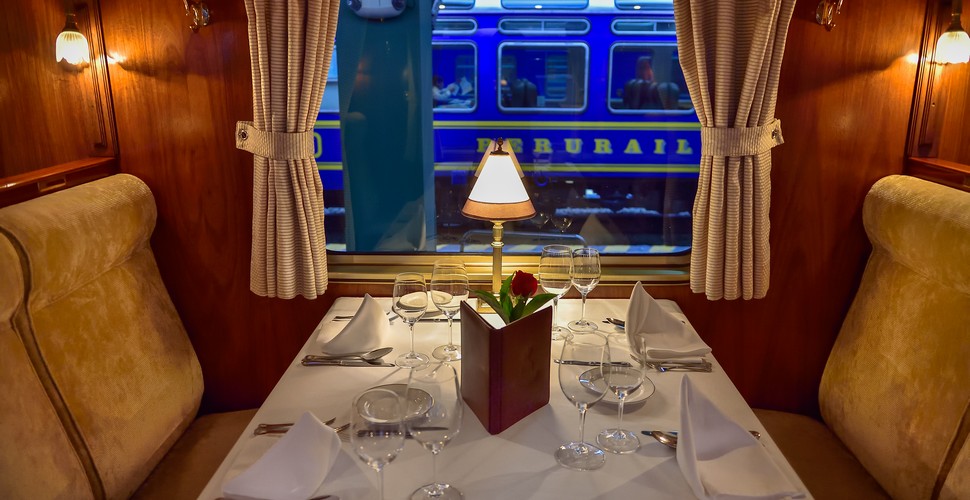
Vistadome: This service includes wagons equipped with panoramic windows. They include glass panels on the roof that offer impressive views of the Andean scenery. Hot drinks and refreshments are served on board. This train also has more legroom than the Expedition train.
Vistadome Observatory: This service is a step above the standard Vistadome. It has enhanced panoramic windows and a premium onboard experience for those who want to make the journey itself part of their Machu Picchu trip.
Hiram Bingham: This is the most exclusive option on the route from Cusco to Machu Picchu. You will glide through the Sacred Valley in exceptional comfort, with a full bar, gourmet dining, and top-tier service. The package includes a private shuttle to the Machu Picchu Citadel, entrance to the archaeological site, a guide, and afternoon tea at the Machu Picchu Sanctuary Lodge. This is by far the most luxurious way to travel to Machu Picchu!
INCA RAIL
Inca Rail operates between the Sacred Valley and Machu Picchu, departing exclusively from Ollantaytambo Station. If you are staying in Cusco, you will generally take a taxi or a public combi (local minibus) to Ollantaytambo to catch the train. Inca Rail offers various classes and no subsidized local service.
Servicio Turista (Voyager): Wagons seat 48 passengers in plush, specially designed seats with generous legroom arranged in pairs facing each other across a small table. No meals are typically served.
Servicio Ejecutivo: Padded seats, slightly smaller panoramic windows than the Vistadome, and attentive staff who serve a selection of regional biscuits, dried fruit, nuts, chocolates, and hot and cold drinks.
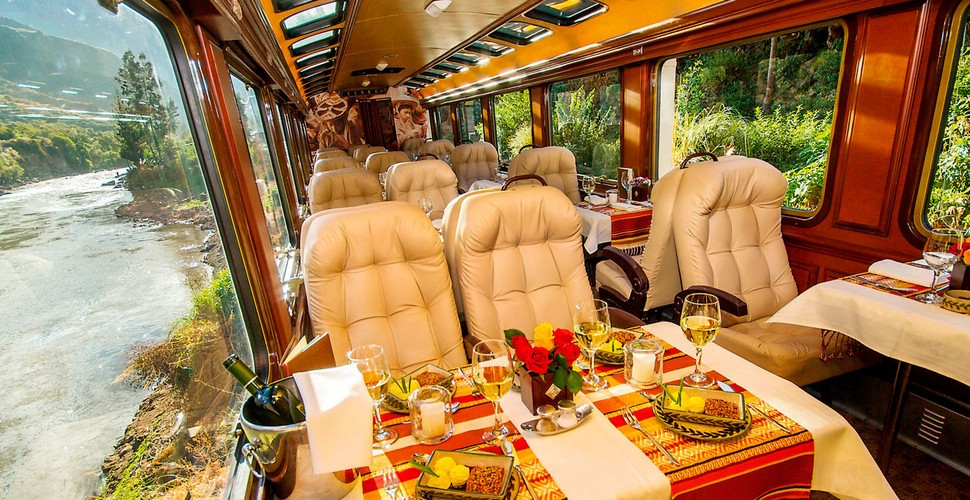
Servicio Primera Clase (First Class): A unique experience for the sophisticated traveler. On arrival, you are welcomed with a drink and a perfumed towel. Gastronomic cuisine is served during the journey to Machu Picchu, accompanied by relaxing background music.
Servicio Presidencial: Only eight seats per wagon. A luxurious experience featuring Peruvian gastronomic cuisine and top-end service. A notch below the Hiram Bingham in terms of price, but still a wonderfully premium way to travel through Peru.
Hiking to Machu Picchu
For those who are looking for active adventures, hiking is the most rewarding way to get to Machu Picchu.
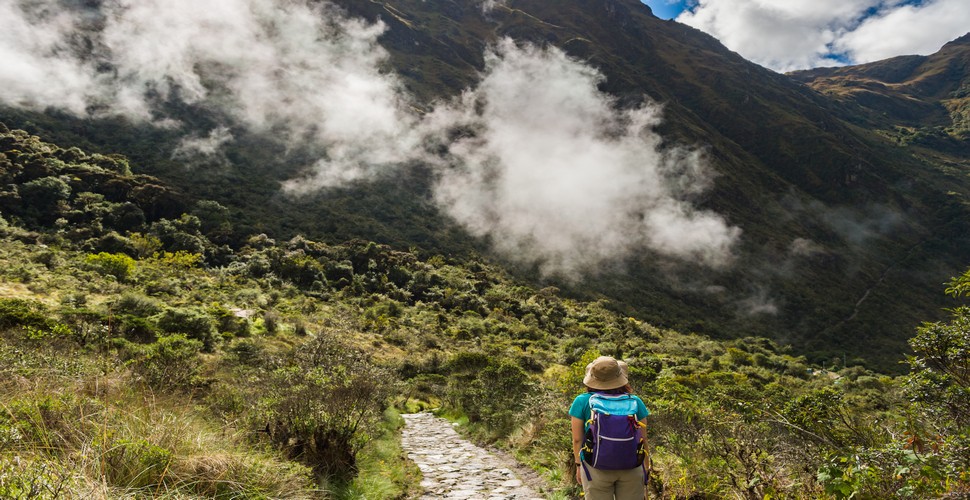
Inca Trail: The Most Iconic Trek to the Inca Citadel
The Inca Trail to Machu Picchu is by far the most popular trekking choice. You will hike along the original Inca road and visit several archaeological sites along the way. These are otherwise inaccessible and a must for any history buff.
However, the government strictly limits the number of tourists to 200 permits per day. This means the Inca Trail sells out months in advance. For peak season (June to August), book at least 5 to 6 months ahead. The trail is closed every February for maintenance. Permits must be purchased exclusively through licensed Peruvian tour operators such as Valencia Travel.
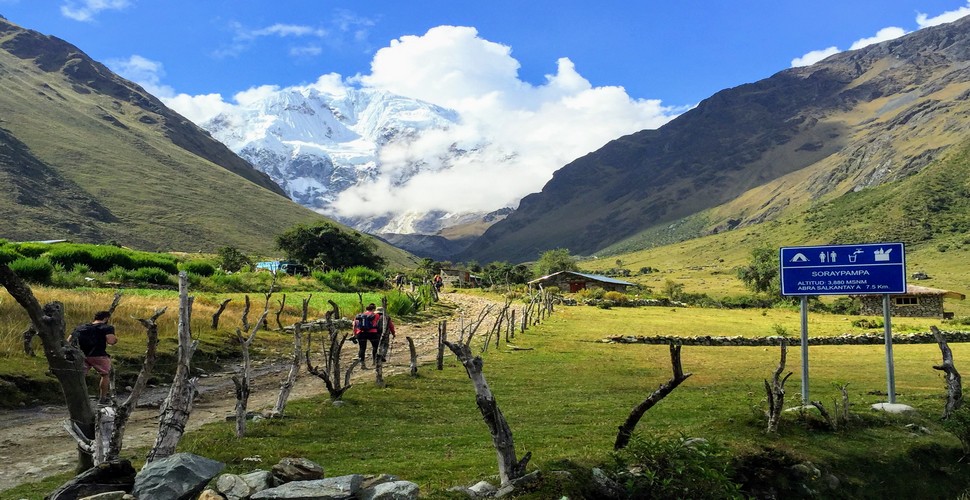
The Salkantay Trek: A Remote and Rewarding Adventure
The Salkantay Trek is another great option for hiking to Machu Picchu. It combines comfortable camping with breathtaking scenery. Plus, there is no hauling your own tent! This trek passes through a wide array of climates and altitudes. The high-altitude Salkantay Pass (4,630 meters), the stunning Humantay Lake, and jungle scenery before arriving at the Inca City. No permit is required, and the trail operates all year round.
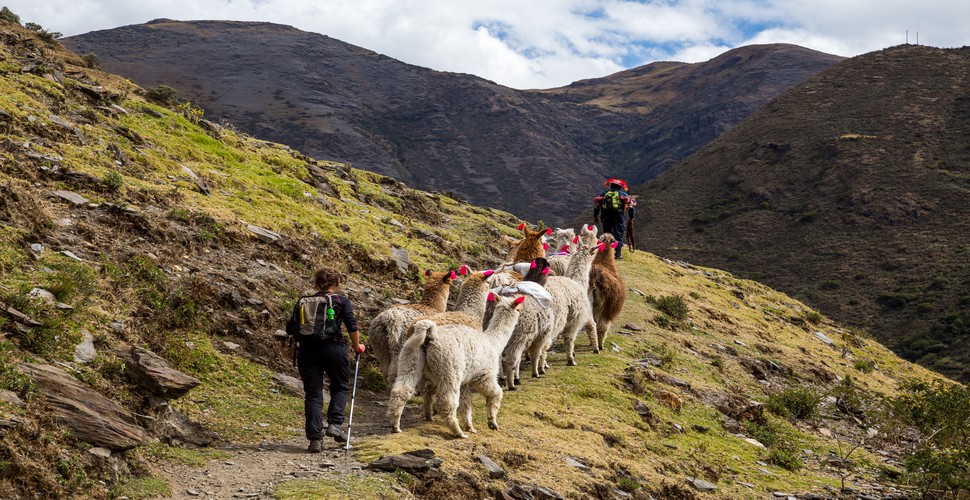
The Lares Trek: An Off-the-Beaten-Path Experience
The Lares Trek is an alternative Inca trail to Machu Picchu, available in versions from 3 to 5 days. All Lares treks end at Ollantaytambo, where travelers board a train toward Aguas Calientes. The Lares Trek hikes through stunning Andean scenery and traditional Quechua communities, making it a more culturally immersive experience focused on the authentic lifestyle of the mountain villages.
By Car Then Hike: The Budget Option
This option is the cheapest way to visit Machu Picchu. Though it is also the least comfortable. Getting to Machu Picchu by bus means driving to Hidroeléctrica train station (a 6-hour drive from Cusco). From there, you walk along the train tracks for about 2 hours to reach Machu Picchu Pueblo. It is used almost exclusively by backpackers willing to invest 8 to 10 hours in time to save on a train ticket.
Our Hot Tips
Book In Advance: To ensure you get the specific circuit you want, book your entrance ticket as early as possible. We recommend Circuit 2 for the most comprehensive first-time visit. This route covers the iconic Guardhouse viewpoint, the main terraces, and temples. Find out more here about Machu Picchu circuits. You can book your ticket at the official portal: tuboleto.cultura.pe. Alternatively, we can secure entrance tickets for you!
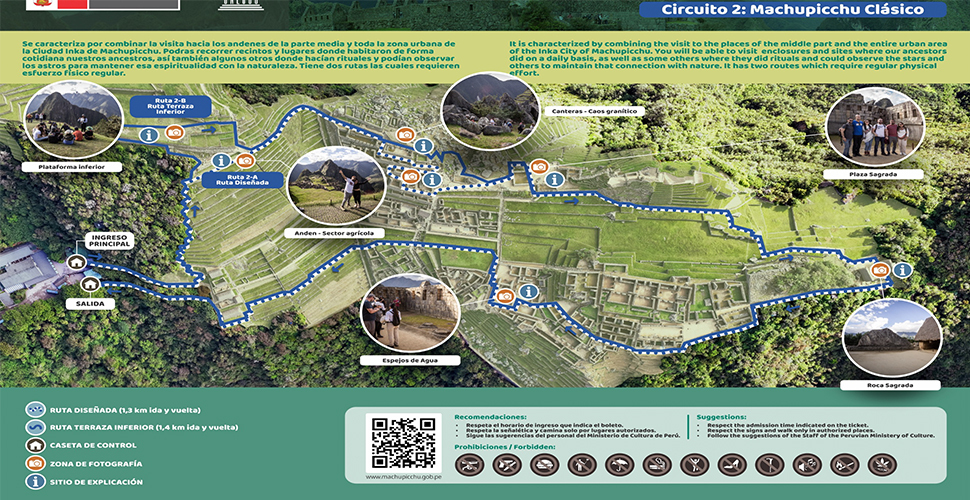
Entrance Ticket Prices for 2027: Standard circuits cost approximately S/152 (around $40–48 USD) for foreign adults, with reduced rates for minors and Andean Community citizens (Bolivia, Colombia, Ecuador). Always verify current official pricing at machupicchu.gob.pe before purchasing.
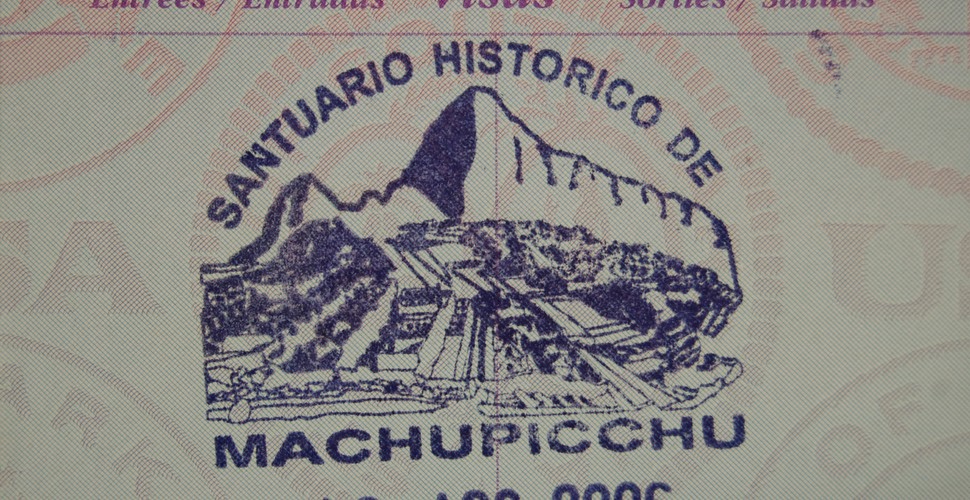
Remember Your Passport: You will not be allowed to enter the archaeological site without a valid passport. The passport number on your ticket must match the one you present at the entrance. No other documents are permitted.
Leave Your Luggage at the Hotel: There is a strict 5 kg (11 lb) weight limit for bags inside the site. Selfie sticks and tripods are not allowed (only rubber-tipped walking sticks). No food, plastic bottles, or alcohol are permitted inside.
Shuttle Bus from Aguas Calientes: The Consettur shuttle bus up to the entrance gate is a separate purchase. Round-trip tickets cost approximately S/48 (around $12–13 USD) for foreigners in 2027. Buy them at the official Consettur booth on Avenida Hermanos Ayar.
Insect Repellent: You will have dropped significantly in elevation from Cusco to Machu Picchu. That means insects. Use repellent, especially if wearing shorts. Long trousers are recommended.
Sun Protection: It is generally sunny in Machu Picchu, even when it looks overcast. Use sunscreen, a hat, and sunglasses to avoid getting burned.
Visit Over Two Days: You can do a visit in just one day, but it is an exceptionally long and tiring one. A much better idea is to take the train and stay overnight in Aguas Calientes to arrive at Machu Picchu fresh, and in the morning light.
FAQs About Traveling from Cusco to Machu Picchu
Here are some Frequently Asked Questions about traveling from Cusco to Machu Picchu based on our years of experience.
Do You Need a Guide for a Tour?
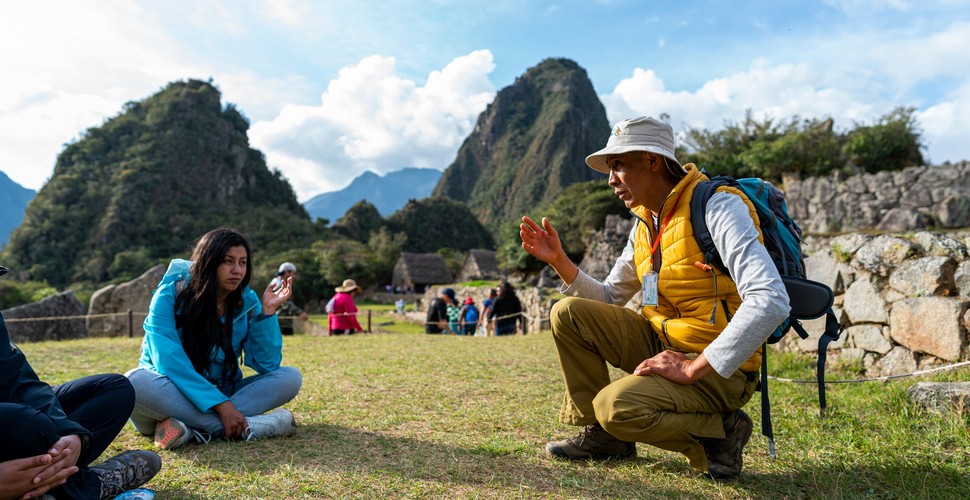
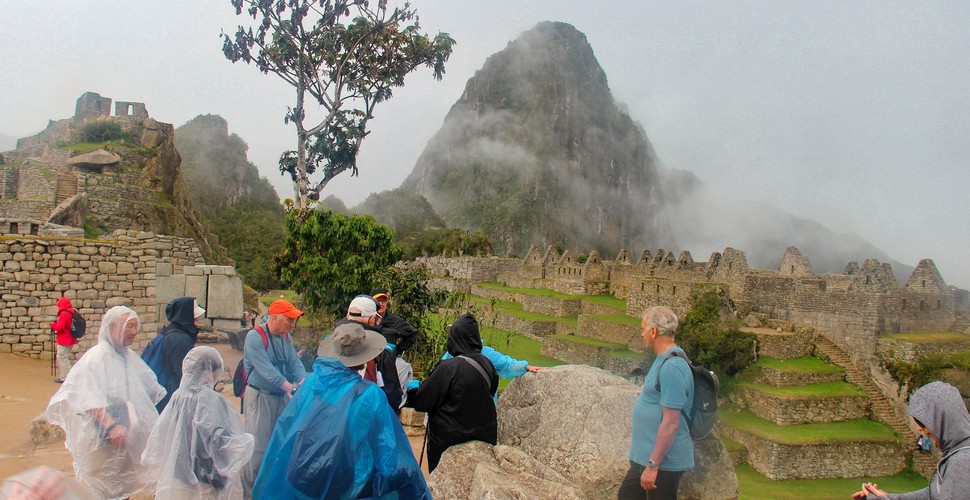
To enter the Inca Citadel, visitors are required to be accompanied by an official authorized guide. A guide provides cultural and historical context to a Machu Picchu tour. You can hire a guide at the entrance or through a reputable operator in advance. Whether you are trekking to Machu Picchu or taking the train, booking in advance ensures your guide speaks your language.
How Long Does a Tour Take?
For most visitors, one day at Machu Picchu is enough. A 2 to 3-hour guided tour covers all the important archaeological sections — terraces, temples, and main viewpoints. There is no re-entry on the same ticket, so plan carefully.
How to Book a Tour?
You can book a Machu Picchu tour as part of a comprehensive package and let your operator handle everything. Alternatively, you can book independently through the official Ministry of Culture portal (tuboleto.cultura.pe). Train tickets should be purchased directly at perurail.com or incarail.com. Trying to buy tickets on the same day in Aguas Calientes is possible in low season, but we would not recommend doing this in high season. At any time of the year, expect long queues.
How Much Should I Tip the Tour Guide?
An average tip ranges from 10 to 20% of the tour cost. For group tours, $5 to $10 USD per person is standard. For private tours, the amount is typically higher to reflect the personalized service. Tipping is a well-received gesture of appreciation in Peru.
Can You Visit Without a Tour?
Yes, and it is simpler than many think. You need three main tickets: your entrance ticket, a return train ticket, and a return shuttle bus ticket. From Cusco, travel to Ollantaytambo by bus or taxi, take the train to Aguas Calientes, and board the shuttle to the entrance.
How Long Is the Train Ride from Cusco to Machu Picchu?
| Departure Location | Train Station | Duration |
|---|---|---|
| Cusco | San Pedro Station | ~4 hrs 30 min |
| Cusco | Poroy Station | ~3 hrs 30 min |
| Sacred Valley | Ollantaytambo Station | ~1 hr 30 min |
How Do I Get from Cusco City to Machu Picchu?
There are three main ways: by train (with or without the bimodal bus connection), by hiking (Inca Trail, Salkantay, or Lares Trek), or by a combination of car to Hidroeléctrica followed by a 2-hour hike along the train tracks.
How to Get to Cusco, Peru?
Most people arrive in Cusco by air from Lima's international airport. If you are arriving from abroad via Lima, collect your baggage in Lima and re-check it for your Cusco connection. Four carriers fly between Lima and Cusco: LATAM Airlines, Sky Airlines, and Star Peru. We generally recommend LATAM for their track record.
Can You Do Machu Picchu as a Day Trip from Cusco?
Yes, but it involves an early start and a very late return. The coordination required means everything must be arranged in advance without flexibility. If time is tight, it can be done, but we strongly recommend the two-day option.
What Is the Difference Between a Private and a Group Tour?
Private Tours: You have a guide exclusively for you and your travel party, greater flexibility, and the option to customize your visit for any date. Ideal for family trips and honeymoons.
Group Tours: You share the cost of logistics with other travelers, making this the more affordable option. You will also meet people from all over the world.
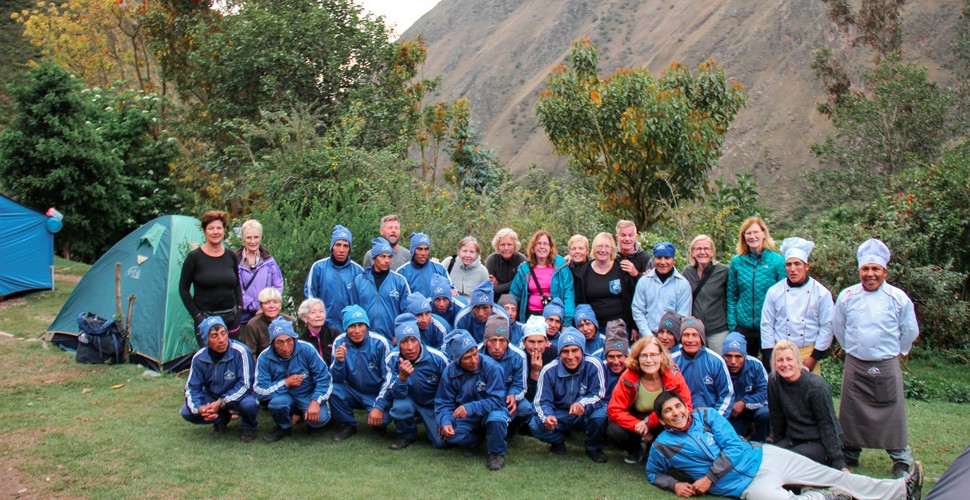
Ask us here for the best way to get to Machu Picchu for your travel style, dates, and budget. Valencia Travel will take care of all the finer details! This includes trains, transfers, entrance tickets, and hotels, so you can focus entirely on the exploration of this magnificent ancient Inca city.
SHARE THIS POST
popular-posts-title