
 Aventure
 Cultural
 Gastronomy
 Wellness
 Local Living
 Luxury
Huayna Picchu Mountain: Complete Guide to the Most Famous Hike in Machu Picchu
Written by:Claire Dean
Last Update: 2026-07-13
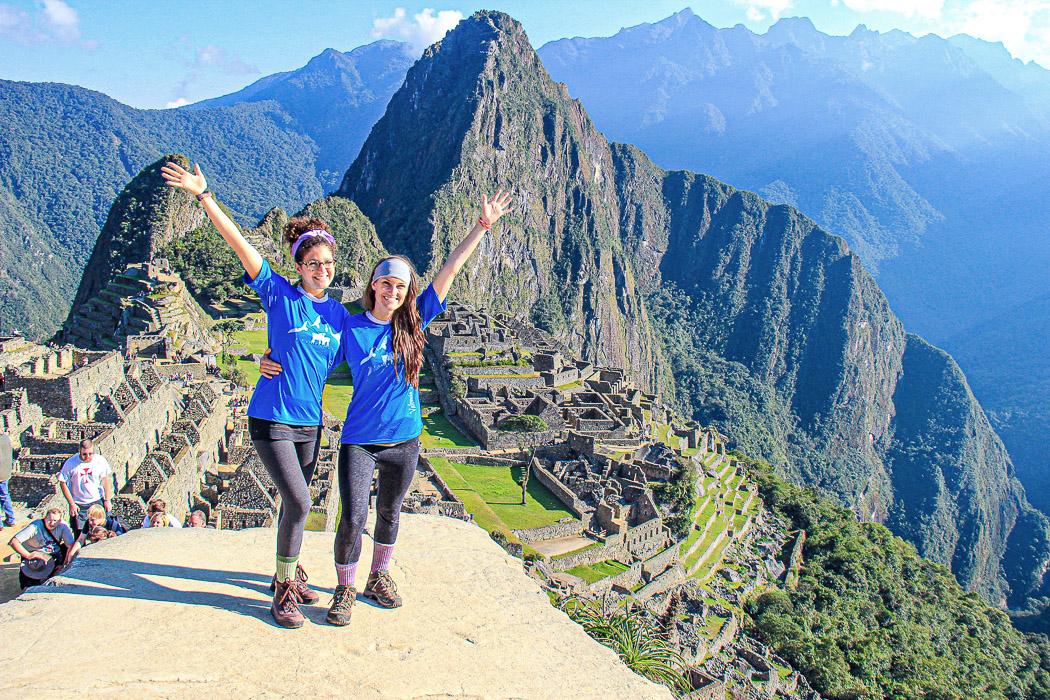
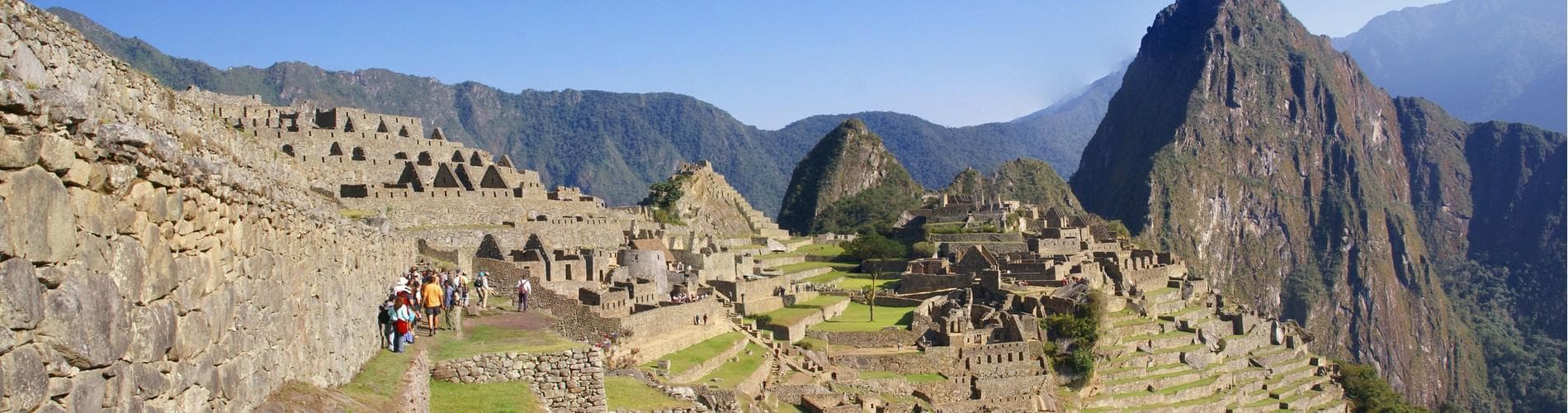
Towering above the ancient citadel of Machu Picchu, Huayna Picchu Mountain is one of Peru’s most recognizable landmarks. The steep peak seen in the background of classic Machu Picchu photographs attracts travelers from around the world who want to combine history, adventure and spectacular scenery in a single experience. Although the Huayna Picchu hike is relatively short, it offers a rewarding challenge for anyone planning a Machu Picchu citadel excursion.
Ancient stone stairways, dramatic viewpoints and fascinating Inca structures make Huayna Picchu one of the most sought-after additions to a Machu Picchu visit. Whether you are planning your first trip to Peru or comparing mountain hikes within the sanctuary, this guide covers everything you need to know before climbing Huayna Picchu.
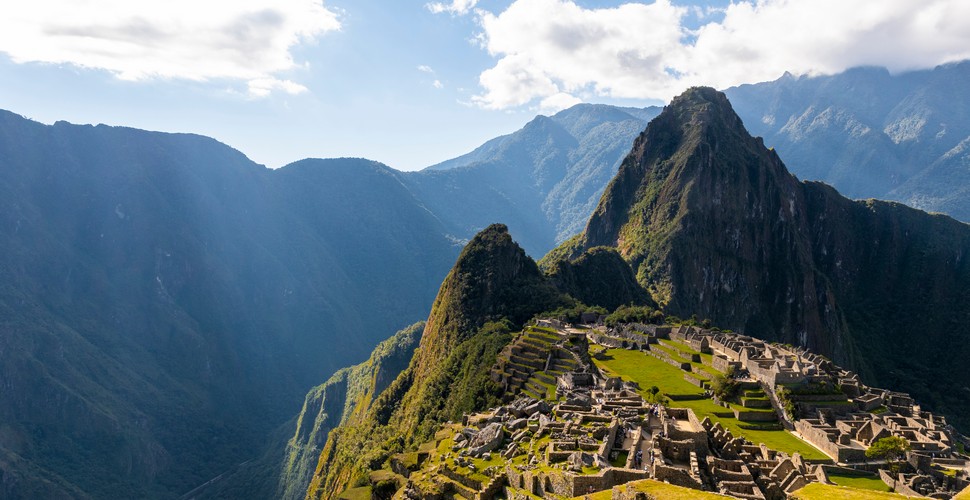
Hiking the Famous Mountain!
What Is Huayna Picchu?
Huayna Picchu is the steep mountain that rises directly behind Machu Picchu. Its name comes from Quechua and is commonly translated as “Young Mountain.”
The mountain reaches approximately 2,693 meters (8,835 feet) above sea level and towers over the archaeological site below. While many visitors admire it from the citadel, only a Huayna Picchu limited number are allowed to hike to the summit each day.
The Incas incorporated terraces, stairways, and ceremonial structures into the mountainside, transforming what appears to be a natural peak into an extension of the sacred landscape surrounding Machu Picchu.
Today, Huayna Picchu remains one of the most popular hiking routes within the Historic Sanctuary of Machu Picchu, serving as an exceptional alternative for those evaluating a short Inca Trail to Machu Picchu route experience.
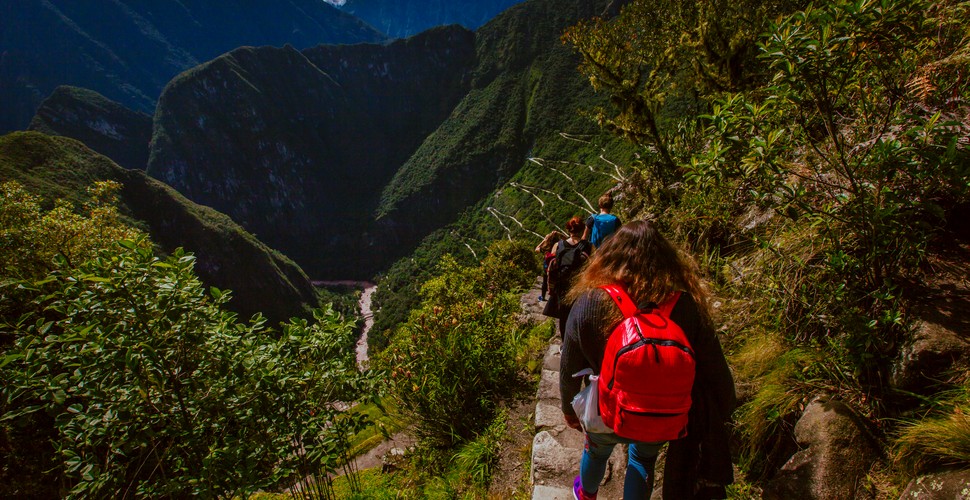
Narrow Trail When Hiking Huayna Picchu
Where Is Huayna Picchu Located?
Huayna Picchu is located within the Machu Picchu Historic Sanctuary in the Cusco region of southeastern Peru.
The mountain stands on the northern side of the archaeological complex and overlooks the winding Urubamba River, cloud forest valleys, and surrounding Andean peaks.
Its position offers a distinctive view of Machu Picchu and the surrounding Andes. From the summit, visitors can see the entire citadel from above while appreciating the dramatic geography that helped protect the site for centuries, making it a key component for outstanding the best of Peru travel plans.
How High Is Huayna Picchu?
One of the most frequently searched questions about the mountain concerns its elevation. Huayna Picchu stands at approximately:
- 2,693 meters above sea level
- 8,835 feet above sea level
The mountain rises roughly 260 meters above the main archaeological sector of Machu Picchu.
Although the elevation is lower than Cusco, which sits at approximately 3,400 meters, the climb can still feel demanding because of its steep ascent and narrow stone pathways.
Travelers who have already spent a few days acclimatizing in destinations/peru/cusco or the Sacred Valley generally find the altitude manageable.
Quick Facts About Huayna Picchu
The following table outlines the essential specifications and details regarding this iconic Andean peak:
| Feature | Details |
|---|---|
| Elevation | 2,693 m / 8,835 ft |
| Height Above Machu Picchu | Approx. 260 m |
| Hiking Time | 2 to 3 hours round trip |
| Difficulty | Moderate to challenging |
| Trail Type | Steep stone paths and stairs |
| Location | Northern side of Machu Picchu |
| Best Season | May to September |
| Ticket Required | Yes |
| Views | Machu Picchu, Urubamba Valley, Andes |
Is the Huayna Picchu Hike Difficult?
The Huayna Picchu hike is often described as moderate to challenging, making it one of the most adventurous experiences available within the Machu Picchu sanctuary. While the route does not require technical climbing skills, hikers should be prepared for steep ascents, uneven stone steps, and sections that may feel exposed. Knowing what the trail involves can help you decide whether it is suitable for you.
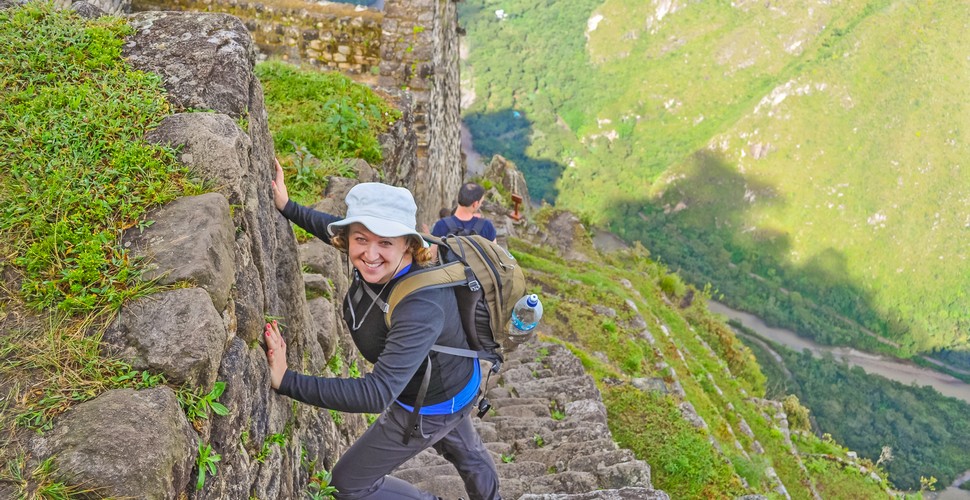
Steep ups and Downs
The route is not technically difficult, and no specialized climbing equipment is required. However, hikers should be prepared for:
- Steep ascents
- Narrow pathways
- Uneven stone steps
- Significant elevation gain
- Sections exposed to heights
Most visitors reach the summit in approximately 45 to 60 minutes and complete the round trip in two to three hours.
Physical fitness helps, but the hike is achievable for many travelers with average conditioning. Taking your time and maintaining a steady pace is usually more important than speed.
Visitors with a strong fear of heights should carefully consider whether the route is appropriate, as certain sections can feel exposed, mirroring other demanding challenges like the classic Inca Trail.
What To Expect Hiking Huayna Picchu
One of the reasons Huayna Picchu is so popular is how quickly the scenery changes dramatically as you gain elevation. From narrow mountain paths to ancient stone stairways and wide viewpoints over Machu Picchu, each stage of the hike feels different. Knowing what to expect can help you prepare and enjoy the experience more comfortably.
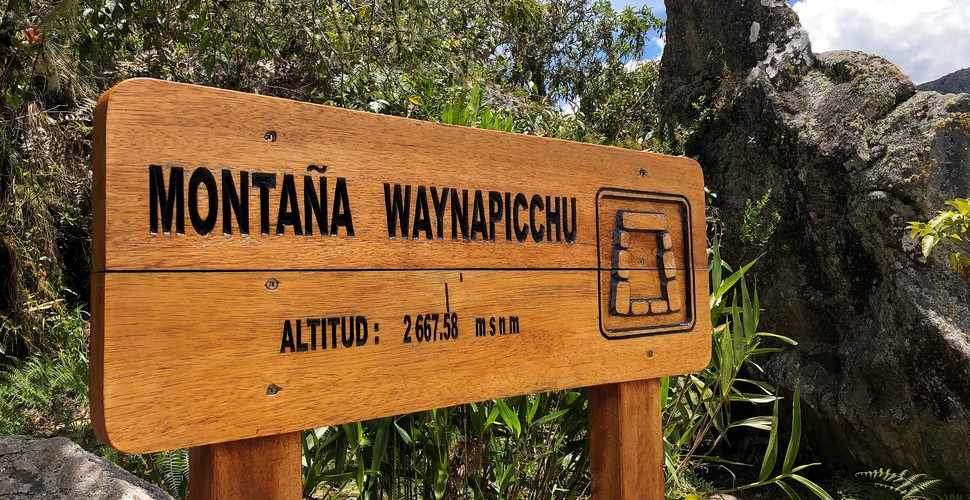
Signposts to Follow for Hiking Huayna Picchu
The First Part of the Trail
The hike starts inside the Machu Picchu archaeological site and quickly climbs along stone pathways built into the mountainside. As you gain elevation, you’ll pass through cloud forest vegetation and enjoy increasingly dramatic views of the surrounding landscape.
This section is relatively steady, but it quickly gives you a clear sense of the terrain and effort required for the rest of the climb.
The Famous Inca Stairs
One of the most distinctive features of Huayna Picchu is its steep network of Inca stairways. These stone steps were built centuries ago and remain an essential part of the route.
Some sections feel quite steep, especially in wet conditions, but they are also one of the most memorable parts of the hike. Many visitors consider them the defining feature of the experience.
Reaching the Summit
After a steady climb, you eventually reach the summit of Huayna Picchu. The final section opens up views over the Andes and the Machu Picchu archaeological site below.
From the summit, Machu Picchu reveals itself from an entirely different perspective, giving you a powerful sense of the sanctuary’s scale and its breathtaking mountain setting.
Views from Huayna Picchu
The summit offers wide views of Machu Picchu, the Urubamba River, and the surrounding cloud forest. On clear days, visibility extends across the valley and surrounding mountain ranges.
→ TIP For photographers, it provides a particularly striking angle of Machu Picchu from above.
Descending the Mountain
The descent follows the same route back toward Machu Picchu. While going downhill may feel easier, caution is still needed on steep stone steps and uneven surfaces.
A steady pace and careful footing are more important than speed on the way down.
Huayna Picchu Entrance Time Options
Because visitor numbers are limited, choosing the right entry time can shape your experience. Different time slots affect weather conditions, crowd levels, and visibility.
Early Morning Entry
Early morning entry offers cooler temperatures and softer light. In some seasons, mist can settle in the valley, creating a quieter and more atmospheric setting.
This is one of the most requested time slots due to its conditions.
Mid-Morning Entry
Mid-morning departures usually offer warmer temperatures and clearer visibility. This option works well for travelers who prefer a slightly later start to the day.
Conditions tend to be more stable, with good chances of clear views.
Which Entry Time Is Best?
Huayna Picchu entry times are tied to your Machu Picchu ticket schedule. You must enter the archaeological site and reach the checkpoint within the assigned time window.
The schedule below coordinates the visits:
| Machu Picchu Entry Time | Huayna Picchu Entry Time |
|---|---|
| 6:00 am | 7:00 am – 8:00 am |
| 7:00 am | 7:00 am – 8:00 am |
| After 8:00 am | 10:00 am – 11:00 am |
Temple of the Moon and Archaeological Features
Depending on the route and current regulations, some visitors may access areas on the lower slopes of Huayna Picchu.
One of the most notable is the Temple of the Moon, a remarkable ceremonial site built within a natural cave setting. The mountain also shows clear evidence of Inca engineering, including:
- Agricultural terraces
- Retaining walls
- Water management systems
- Stone stairways
- Ceremonial spaces
These features reflect how the Incas adapted steep mountain terrain for both practical and ceremonial use.
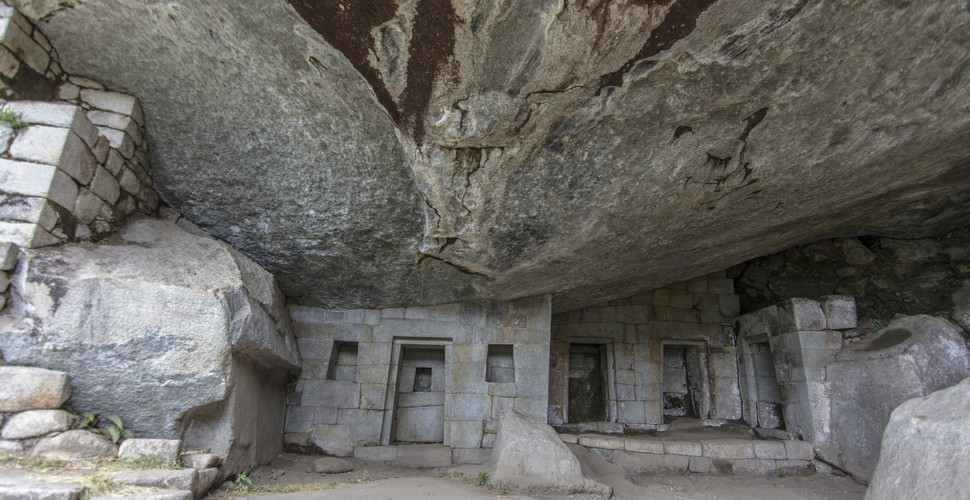
Huayna Picchu vs Machu Picchu Mountain
Choosing between Huayna Picchu and Machu Picchu Mountain is one of the most common decisions travelers make when planning their visit. Both hikes offer excellent views of the citadel, but the experience, effort level, and perspective are quite different.
In general, the choice depends on your fitness level and the type of hike you prefer.
A comparison of both routes is presented below:
| Feature | Huayna Picchu | Machu Picchu Mountain |
|---|---|---|
| Elevation | 2,693 m (8,835 ft) | 3,082 m (10,111 ft) |
| Difficulty | Moderate to challenging | Moderate |
| Steepness | Very steep | More gradual |
| Exposure | Higher in sections | Lower |
| Duration | 2–3 hours | 3–4 hours |
| Views | Close, dramatic angles | Wide panoramic views |
| Effort | Short but intense | Longer and steady |
Travelers who prefer a shorter, steeper hike with more dramatic terrain usually choose Huayna Picchu. Those who prefer a longer walk with a more gradual ascent tend to choose Machu Picchu Mountain, which is a key factor when looking to explore regional destinations.
Tickets and Entry Requirements
Access to Huayna Picchu requires a specific ticket that includes the mountain route. Availability is limited and often sells out in advance, especially during peak season.
It is important to check availability before finalizing your travel plans, as entry is controlled to protect the site and manage visitor flow. Before booking, make sure to confirm:
- Available circuits
- Entry schedules
- Current regulations
- Ticket restrictions
Booking is strongly recommended, particularly between May and September.
Best Time to Hike Huayna Picchu
The dry season, from May to September, generally offers the most stable conditions for hiking. During this period, skies are clearer and trails are less affected by rain.
Benefits of this season include:
- Better visibility
- More stable footing
- Lower chance of rain
The shoulder months (April, May, September, and October) can also offer a good balance between weather conditions and crowd levels.
The rainy season is still an option, but trails can become slippery and require additional caution.
What to Bring for the Hike
A simple, well-prepared kit is usually enough for Huayna Picchu. Since the hike is relatively short but steep, it is better to travel light while covering essentials. Recommended items include:
- Passport
- Entry ticket
- Water
- Sun protection
- Sunglasses
- Lightweight rain jacket
- Comfortable hiking shoes
- Small snacks
- Camera or phone
Large backpacks are generally unnecessary and may be restricted at entry points.
Safety Tips for Climbing Huayna Picchu
Although Huayna Picchu is safe for most visitors, the steep terrain and stone steps require attention throughout the hike. Conditions can also change depending on the weather. Before starting the hike:
- Stay hydrated
- Rest well the night before
- Allow time to acclimatize
- Wear appropriate footwear
- Check weather conditions
During the hike:
- Maintain a steady pace
- Use handrails where available
- Watch your footing on stone stairs
- Avoid rushing
- Follow park guidelines
Most visitors complete the hike safely by taking their time and respecting the terrain.
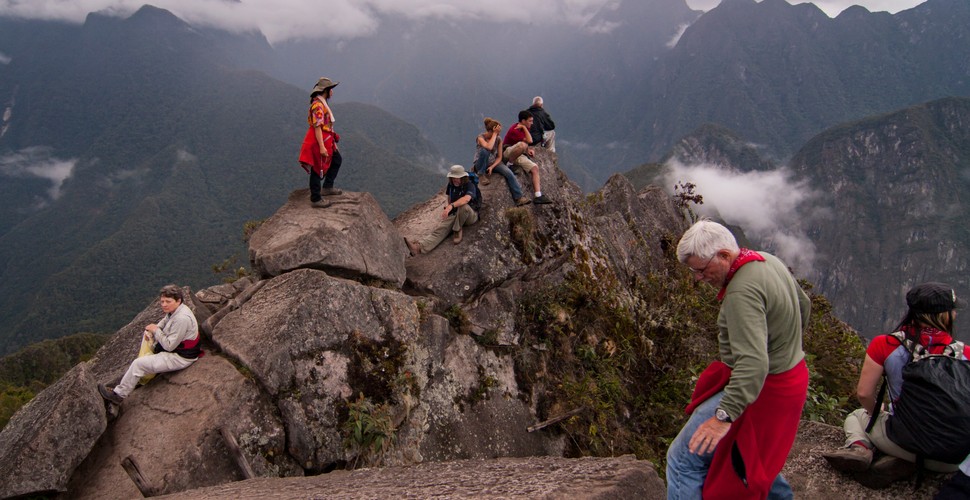
The Top of The Mountain!
Is Huayna Picchu Worth It?
For many travelers, hiking Huayna Picchu is one of the highlights of their visit to Machu Picchu. The combination of history, mountain scenery, and elevated views makes it a distinctive experience within the sanctuary. The hike brings together:
- Inca history
- Mountain landscapes
- Archaeological structures
- Unique viewpoints
While it requires extra planning and effort, many visitors feel the experience justifies the time and physical demand. The climb provides a perspective of Machu Picchu tours that few places can match.
While the hike requires additional planning and effort, many visitors consider the panoramic views and sense of accomplishment well worth it.
If you enjoy active travel and want to experience Machu Picchu beyond the classic walking circuit, exploring the route during a cultural journey is an excellent choice.
FAQs
How long does it take to hike Huayna Picchu?
Most visitors complete the round trip in around 2 to 3 hours, depending on pace and conditions.
How high is Huayna Picchu?
The summit is approximately 2,693 meters (8,835 feet) above sea level.
Is Huayna Picchu difficult?
Huayna Picchu is generally considered a moderate to challenging hike, mainly because of its steep stone steps, narrow paths, and exposed sections along the Huayna Picchu mountainside.
Do I need a separate ticket for Huayna Picchu?
Yes, access requires a specific ticket that includes the Huayna Picchu route.
Is Huayna Picchu safe?
Yes, most visitors complete the hike safely by following marked paths and using appropriate caution during their Machu Picchu tours.
What is the best time of year to hike Huayna Picchu?
The dry season (May to September) generally offers the best conditions.
Plan Your Huayna Picchu Adventure
Climbing Huayna Picchu requires planning due to limited availability and controlled access. Organizing tickets and logistics in advance will help ensure a smoother experience. At Valencia Travel, our local travel specialists can help you choose the best Machu Picchu circuit, arrange transportation, and build an itinerary that matches your travel style. Explore Peru with expert guidance and make the most of your time in the Andes.
SHARE THIS POST
popular-posts-title