
 Aventure
 Cultural
 Gastronomy
 Wellness
 Local Living
 Luxury

Tips to Avoid Food Poisoning in Peru
Written by:Claire Dean
Last Update: 2026-06-27
Almost everyone who travels to Peru experiences some kind of stomach issue at some point. While food poisoning in Peru is relatively common among visitors, a few simple precautions can significantly reduce the risk. Knowing what foods to choose, whether it is safe to drink tap water in Cusco and Peru, and how to recognize the difference between food poisoning and altitude sickness can help you avoid unnecessary disruptions during your trip to Peru. Whether you're planning a safe food Machu Picchu visit, exploring Cusco's markets, or traveling through the Sacred Valley, these practical travel health tips will help you stay healthy and enjoy your Peru adventure with confidence. At Valencia Travel, we are committed to making your journey as safe and unforgettable as possible.
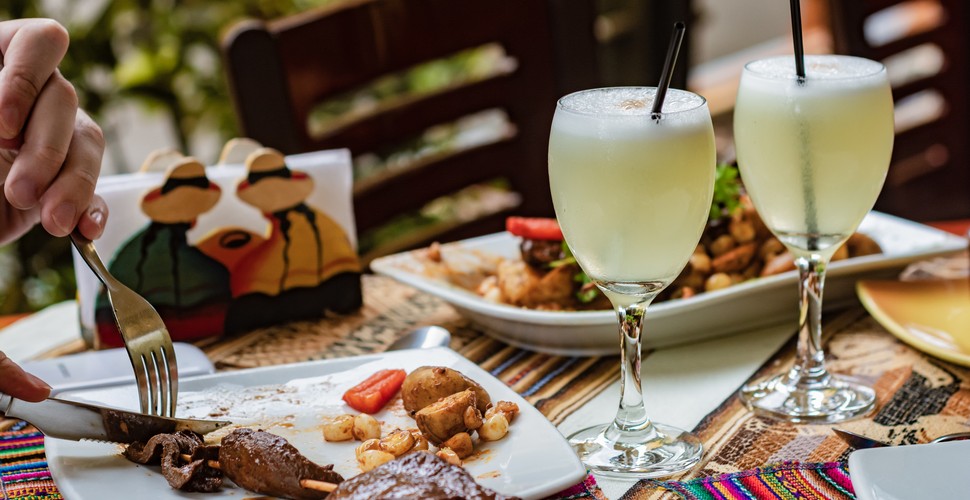
Pisco Sour and Anticuchos
Is it Food Poisoning or Altitude Sickness?
Some food poisoning symptoms can be similar to those of altitude sickness, and because cities such as Cusco are more than 3000 meters (11,000 feet) above sea level, you're likely to experience one or the other. If you are planning to explore the region, checking out the destinations in Cusco can help you prepare for the high elevation.
These shared symptoms and the signs of food poisoning include diarrhea, vomiting, and nausea, so if you're experiencing any of the above, there's a chance it could be altitude sickness, not food poisoning. It's tough to tell, so it is always best to visit a clinic or see a doctor if you're feeling pretty bad.
Because Cusco sits at over 3,300 meters (11,150 feet) above sea level, many travelers initially mistake altitude sickness for food poisoning. When symptoms persist or worsen, it is always best to seek medical advice.
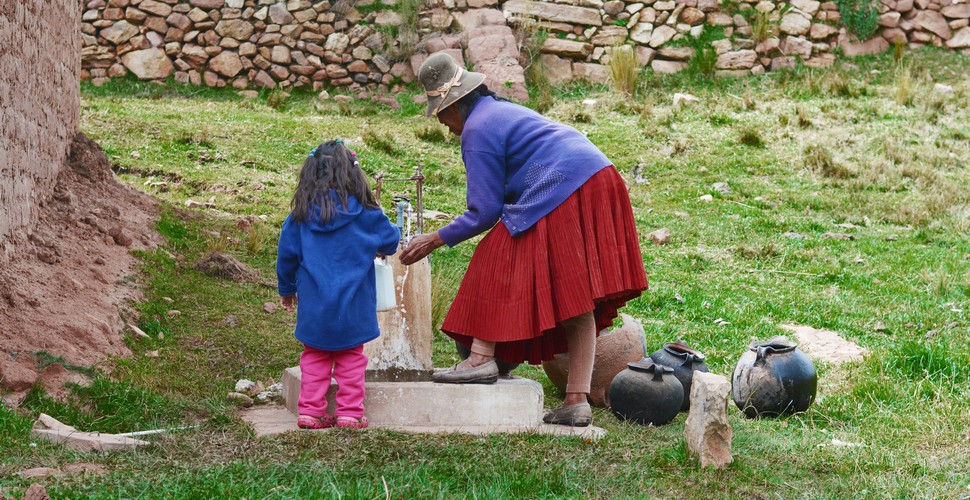
Andean Water Supply
Is It Safe to Drink Tap Water in Cusco and Peru?
In short, no. Tap water can contain bacteria and parasites that may make visitors sick because they are not accustomed to them. Especially in rural areas, you cannot guarantee the source of the water and how it has been treated (see tips below).
This is one of the most common questions travelers ask before visiting Peru: "Can I drink tap water in Cusco?" In general, visitors should stick to bottled, filtered, or properly purified water throughout their trip.
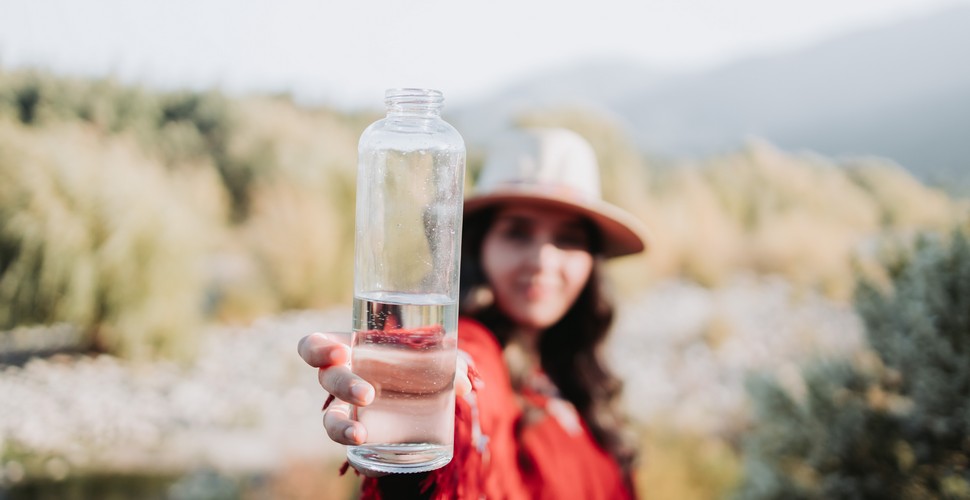
Fresh Water Supply
Is It Safe to Eat Street Food in Peru?
Generally, if the food is cooked and still hot, then it's okay. However, be wary of anything left out in the sun for a long time. Just because something is frozen does not mean it's safe, and freezing does not kill bacteria as heat does. So, that ice cream from a street vendor, though tempting and often delicious, is probably not the safest thing to eat.
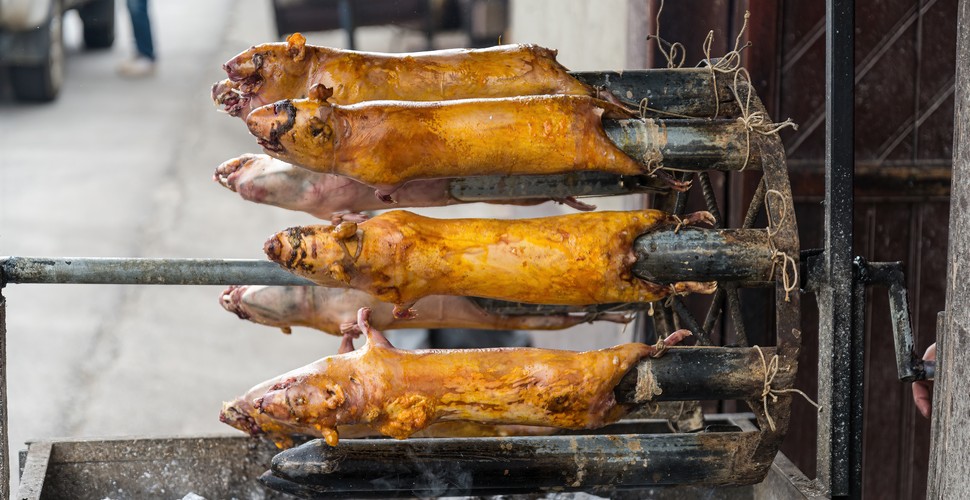
Guinea Pig al Palo
What About Pisco Sours?
Pisco Sours, a famous Peruvian alcoholic beverage, present two potential sources of contamination: they contain ice AND raw egg. So, drink them with caution. Always ask the establishment if they use ice from purified water (agua purificada). As for the egg, raw eggs always carry a risk of salmonella.
I had more than a couple of Pisco Sours in Cusco, which are tasty!
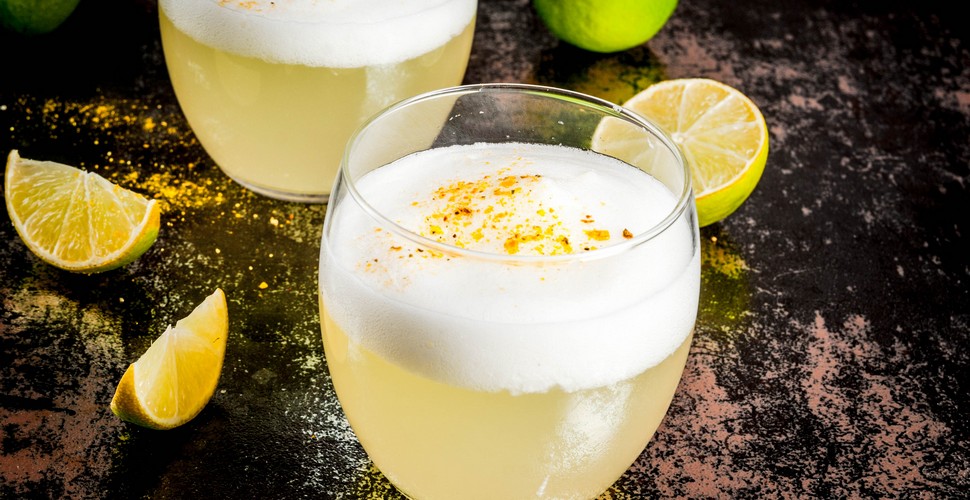
Pisco Sours
Peru Travel Health Tips to Avoid Food Poisoning
Do NOT Drink the Tap Water
The number one cause of food poisoning is drinking tap water. You definitely should not do this. Do NOT even brush your teeth with it! Why? Certain bacteria (and maybe even parasites) in the water do not get cleaned to our country's safety standards. Even the locals typically do not drink straight from the tap, and most people boil the water first.
If they do, however, they usually do not get sick because they have grown up there and developed immunity. Some travelers will, for example, brush their teeth in the water with no food poisoning symptoms; however, others can become violently ill (stomach cramps and vomiting) after brushing their teeth with the local tap water.
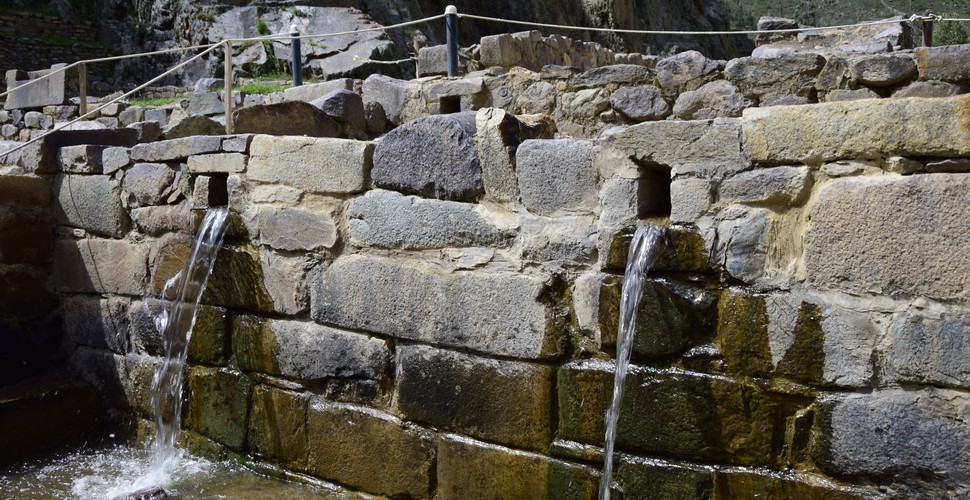
Water at Tipon
If you're traveling to Peru for a short period, stick to bottled water, even for teeth brushing. Some people use a SteriPen because you can carry the small device around, stick it into a glass of water, and instantly sanitize it, making it safe to drink. For most visitors planning a Machu Picchu visit, bottled or purified water remains the safest option, ensuring you stay healthy for iconic treks like the Classic Inca Trail.
If you must use tap water, bring it to a boil for AT LEAST three minutes. Bringing tap water to a boil for at least one minute effectively kills most bacteria, viruses, and protozoa, according to the Centers for Disease Control and Prevention.
However, it will not rid the water of other pollutants, such as chemicals. Three minutes will kill all bacteria; in high-elevation regions such as Cusco, water boils at a lower temperature. It should be cooked for longer than the standard recommended time.
Stick to Hot, Cooked Foods or Anything You Can Peel
There's a common phrase that doctors tell you regarding food while traveling: boil it, cook it, peel it, or forget it! The reasoning behind this is proper cooking often eliminates harmful bacteria and parasites. Also, fruits covered in thick skin keep out bacteria.
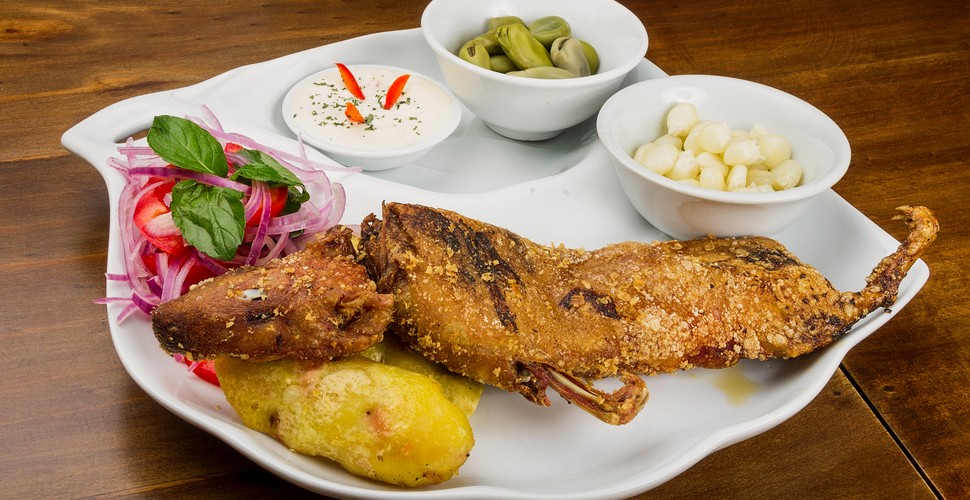
Fried Guinea Pig
Avoid raw foods like salads or unpeeled fruits and vegetables. Eating veggies at restaurants that are cooked and hot and eating fruits that can be peeled after thoroughly washing with boiled/bottled water is best. Choosing safe food to eat in Cusco is one of the easiest ways to reduce the risk of traveler's diarrhea.
Following this simple rule is one of the most effective Cusco travel health tips for avoiding stomach issues while traveling.
Always Wash Your Hands
This recommendation applies not only in Peru but when traveling anywhere in the world ;). Finding soap is rare in many Peruvian bathrooms, so always carry some hand sanitizer.
Avoid Street Food
Peruvians will tell you about the delights of "anticuchos" on the streets. One more if you are staying in Peru, it may be worth building up a resistance to certain germs, in which case eat away, but if you are on a 2-week vacation, for example, eating street food could seriously impact the time you have in the country.
If you want to sample the fresh-squeezed juice from the market stands, ask for "Zumo" as this is pure fruit juice with no added water.
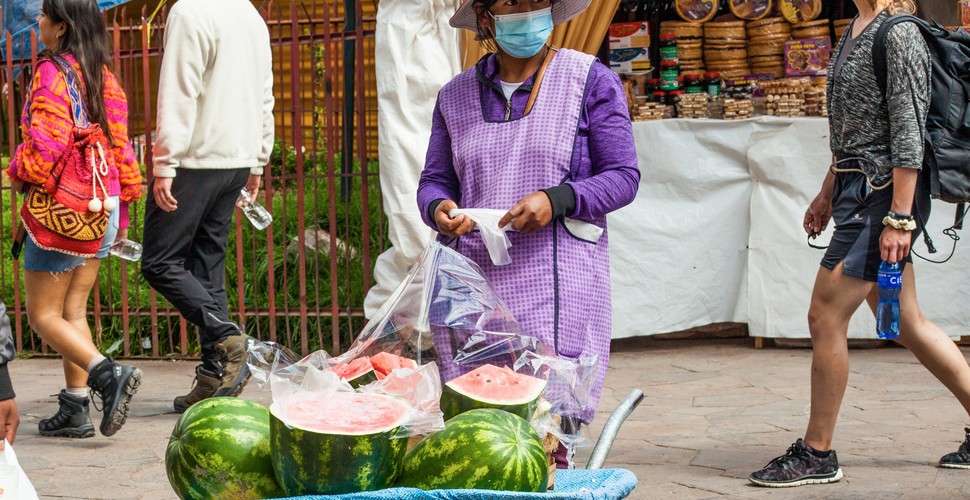
Watermelon Seller
Take Pepto Bismol as a Prophylactic as a Preventative Measure
Taking Pepto Bismol (the brand name for bismuth subsalicylate) may kill bacteria and reduce the risk of getting sick from food while traveling.
A study conducted in Mexico in 1987 showed that taking two Pepto Bismol tablets four times a day reduced the risk of traveler's diarrhea by more than 60 percent! For more info about using Pepto Bismol as a prophylactic, check out these articles on WebMD.
Research Restaurants Before You Eat
When traveling, eat only at restaurants frequented by many locals and tourists. Take a glance at the kitchen and where the food is kept. Ensure they use hygienic practices and that the food is adequately covered, heated, and refrigerated.
While hygiene is generally not as strict as in western countries, Peru does have health inspections. Sometimes you'll see a restaurant closed with a notice hanging outside that they failed a health inspection. Whatever the case, always do your research before eating somewhere new. TripAdvisor reviews are always a good guide about restaurants in the part of Peru you visit.
This is especially important if you're looking for safe food during a Machu Picchu visit or while exploring Cusco. Travelers taking the Short Inca Trail to Machu Picchu should pay extra attention to their nutrition before starting the trek.
If you want to be extra safe, stick to foods that have been boiled, fried, or cooked in some way, and don't eat salads or anything that may have been washed with tap water. Stick to bottled drinks or hot beverages. Don't drink anything that has ice unless the restaurant uses purified water to make its ice. Don't be afraid to ask if they use purified water to wash their uncooked vegetables and fruits and to make ice. When in doubt, don't consume it.
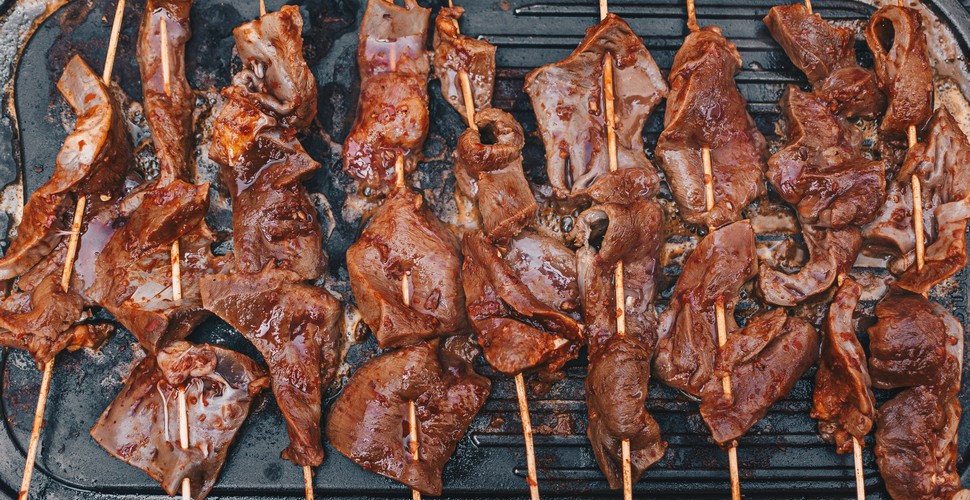
Anticuchos de Corazon
What to Do If You Get Food Poisoning in Peru
Food poisoning is so common in Peru it's practically a rite of passage. You are certainly not alone. It's going to be okay. You'll probably experience diarrhea, nausea, vomiting, stomach cramps, and maybe even a fever. See a local doctor who will understand local bugs and common illnesses. In Peruvian clinics, you can get blood and stool tests done quickly to determine what kind of bacteria and parasites you have.
Many people are afraid to go to the doctor in Cusco because they don't know how much it will cost and don't speak Spanish, but prices in Peru are relatively low, and you'll usually find someone who can speak English.
If you're wondering what happens if you get sick in Cusco, local clinics and private medical centers are accustomed to treating international travelers.
Most cases of traveler's diarrhea in Cusco improve quickly with rest, hydration, and proper medical advice.
Contact your travel insurance company to see what your insurance plan covers. You'll most of the time be prescribed antibiotics, such as Cipro, or antiparasitics, such as Flagyl. It may take a few days or weeks, but you should feel better soon.

Peruvian Clinic
Enjoy Peru's Food Safely
We hope all this talk about food poisoning in Peru doesn't stop you from enjoying the country's incredible cuisine. Peruvian food is considered among the best in the world, and trying local dishes is an important part of the travel experience. Even if stomach issues occur, they are usually temporary and manageable with proper care.
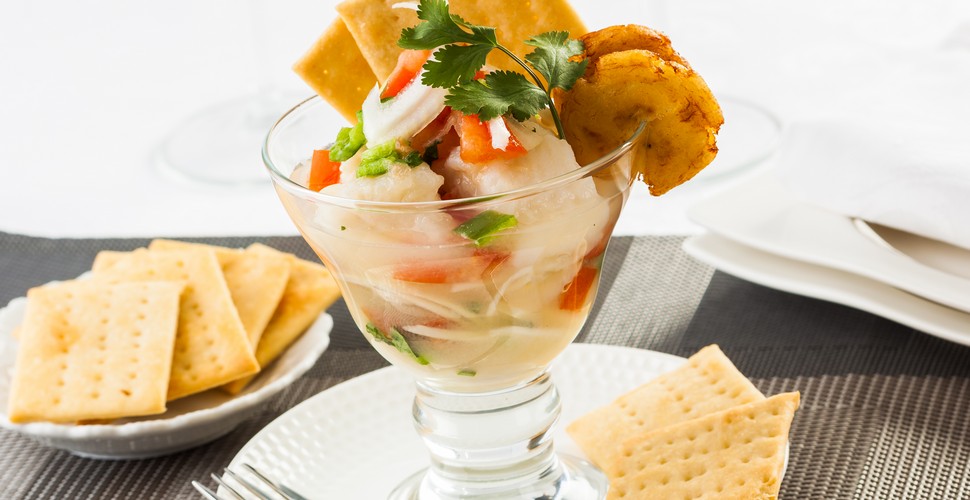
Ceviche
As you explore Cusco, Machu Picchu, the Sacred Valley, and other regions of Peru, a few simple precautions can help you enjoy local flavors with confidence. At Valencia Travel, we encourage travelers to experience Peru's rich culinary traditions while staying informed about food and water safety throughout their journey.
Safe travels!
SHARE THIS POST
popular-posts-title