
 Aventure
 Cultural
 Gastronomy
 Wellness
 Local Living
 Luxury
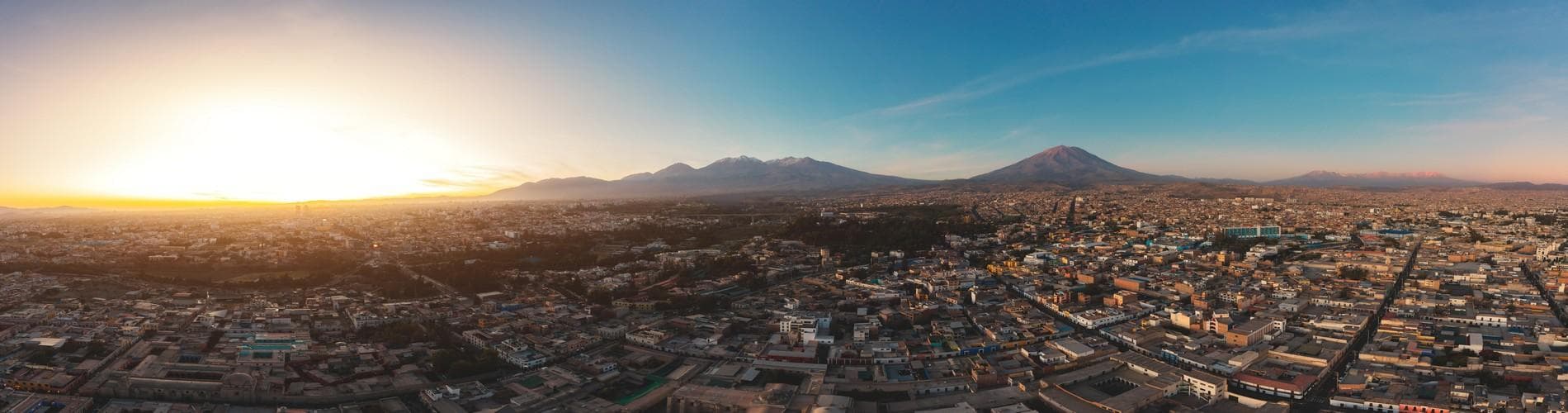
Arequipa: A City of Unique Flavors and Beauty
Written by:Claire Dean
Last Update: 2026-06-03
Why Visit Arequipa in Peru?
Steeped in history, culture, and unforgettable flavors, Arequipa is one of the most fascinating destinations in southern Peru. Known as the “White City” for its beautiful volcanic stone architecture, Arequipa combines colonial charm, dramatic volcanic landscapes, and one of the country’s most celebrated culinary scenes. Travelers exploring Peru often arrive for a few days and end up staying longer than planned, drawn in by the relaxed atmosphere and striking scenery. From wandering through centuries-old monasteries to tasting traditional dishes like rocoto relleno and chupe de camarones, visiting Arequipa offers a deeper look into Peru’s cultural identity while still feeling authentic, local, and pleasantly less crowded than other major destinations.
Few cities in Peru make a first impression quite like Arequipa. Framed by volcanoes and built from distinctive white volcanic stone, it combines remarkable architecture, celebrated cuisine, and centuries of history in one memorable destination. While Cusco and Machu Picchu often dominate travel itineraries, Arequipa has quietly earned a reputation as one of the country’s most rewarding cities for travelers seeking a deeper cultural experience.
Its unique blend of historic landmarks, local traditions, scenic viewpoints, and outstanding gastronomy makes it an easy place to slow down and appreciate a different side of Peru. The city feels elegant without being overwhelming, historic without feeling frozen in time. Many visitors discover far more than they expected when planning their first Peru itinerary.
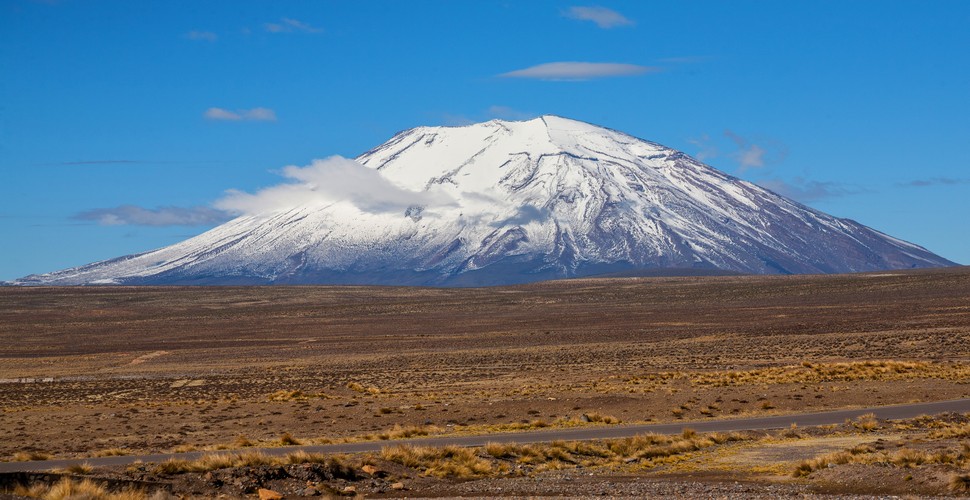
Misti Volcano
History of Arequipa
Arequipa is one of Peru's most historically and culturally significant cities. Founded in 1540 by the Spanish conquistadors, the city played a crucial role during the colonial period due to its strategic location along the trade route connecting Lima with the silver mines of Potosí.
Over time, Arequipa developed a strong regional identity shaped by both Spanish and Indigenous influences. That blend remains visible today in the city’s architecture, traditions, religious celebrations, and cuisine. Walking through Arequipa’s historic center feels like stepping into another era, especially around its churches, stone mansions, and quiet plazas that have remained remarkably preserved through the centuries.
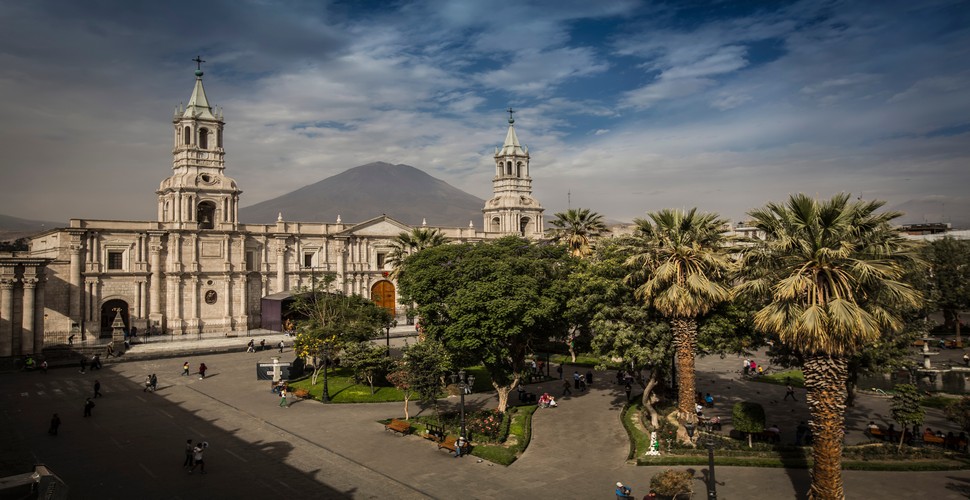
Arequipa Cathedral
Architecture and the White City
Arequipa's architectural richness can largely be traced back to its colonial past. The city is often referred to as the “White City” because many of its buildings were constructed using sillar, a white volcanic stone formed from ancient lava deposits. This material gives the historic center its unmistakable appearance, especially under the bright southern Peruvian sunlight.
The architecture throughout the city reflects a fascinating fusion of Spanish Baroque design and local craftsmanship. The Cathedral of Arequipa showcases impressive colonial façades, while the Santa Catalina Monastery reveals a more intimate mix of Spanish and Indigenous influences through its narrow passageways, colorful walls, and peaceful courtyards.
The Plaza de Armas remains one of the city’s most recognizable landmarks. Surrounded by elegant arches, palm trees, cafés, and beautifully preserved buildings, it serves as both a social gathering place and a perfect introduction to the atmosphere of Arequipa.
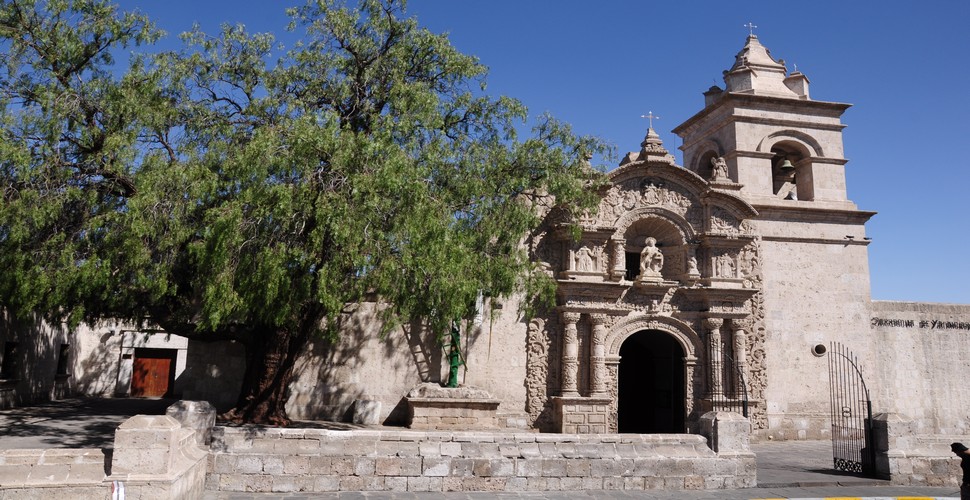
Arequipa Church
Traditional Gastronomy in Arequipa
Arequipa’s gastronomy is one of the strongest reasons many travelers consider the city worth visiting. The food here is rich, flavorful, and deeply connected to traditions that have been preserved for generations.
The local Peruvian cuisine combines Indigenous, Spanish, and Andean influences, creating dishes that feel both comforting and distinctive. Some of the best-known specialties include rocoto relleno, a spicy stuffed pepper baked with cheese and meat, adobo arequipeño, a slow-cooked pork stew traditionally eaten on Sundays, and the famous chupe de camarones, a hearty shrimp soup packed with local ingredients.
Markets such as San Camilo Market provide an authentic glimpse into daily life in Arequipa. Visitors can sample fresh juices, regional cheeses, traditional desserts, and local meals prepared much the same way they have been for decades.
The city also has a growing modern culinary scene. Alongside traditional picanterías, travelers will find contemporary restaurants experimenting with local ingredients while still respecting the flavors that define Arequipa’s food culture.
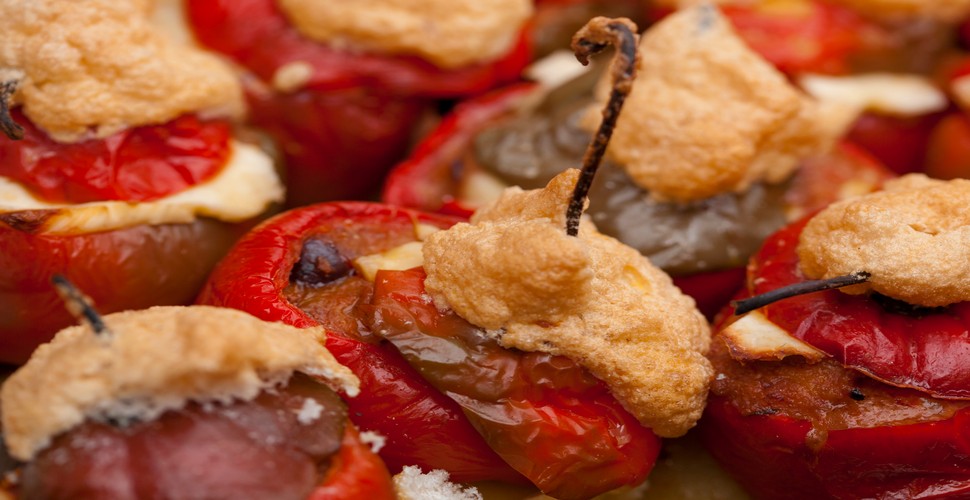
Rocoto Relleno
Natural Wonders Around Arequipa
Beyond its architecture and cuisine, Arequipa is surrounded by remarkable natural scenery. Volcanoes, high-altitude reserves, deep canyons, and wildlife-filled landscapes all sit within easy reach of the city, making it an excellent destination for travelers interested in outdoor experiences.
Misti Volcano
Dominating the skyline of Arequipa, Misti Volcano is one of the city’s most iconic natural landmarks. This active stratovolcano rises to 5,822 meters (19,101 feet) and can be seen from almost anywhere in the city.
Although climbing Misti is considered challenging, many visitors simply enjoy admiring its perfectly symmetrical shape from viewpoints around Arequipa. During sunrise and sunset, the volcano becomes one of the most photographed sights in southern Peru.
Salinas and Aguada Blanca National Reserve
Situated between Arequipa and the Colca Canyon, the Salinas and Aguada Blanca National Reserve protects a diverse range of Andean ecosystems, including wetlands, volcanic plains, lagoons, and high-altitude grasslands.
The reserve is home to vicuñas, alpacas, llamas, flamingos, Andean geese, and many other native species. For nature lovers, photographers, and birdwatchers, this area offers some of the most peaceful and visually striking landscapes in the region.
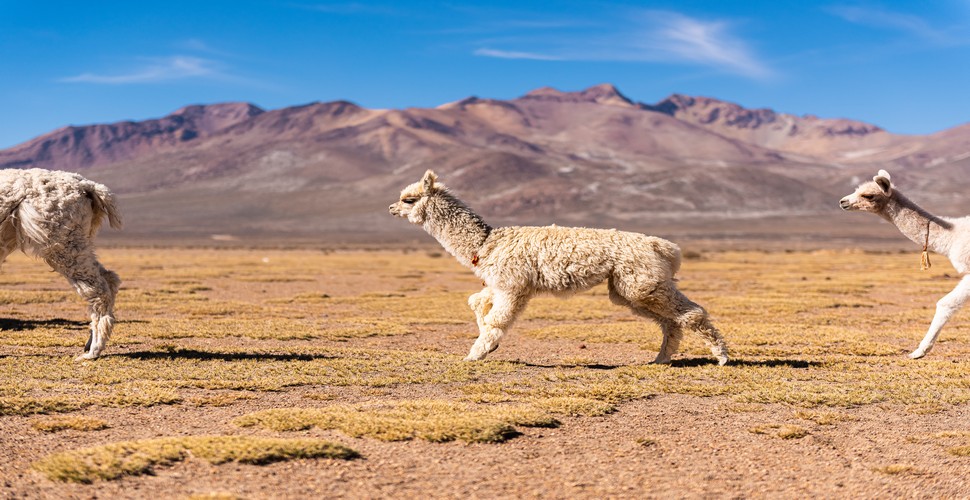
The Salinas and Aguada Blanca National Reserve
Must-Visit Places in Arequipa
Santa Catalina Monastery
The Santa Catalina Monastery is one of the most fascinating places to visit in Arequipa. Founded in the 16th century, the monastery feels almost like a hidden city within the city itself.
Its narrow cobblestone streets, colorful walls, quiet courtyards, and preserved living quarters create an atmosphere that feels both peaceful and deeply historical. Exploring the monastery provides valuable insight into colonial life and the daily routines of the nuns who lived there for centuries.
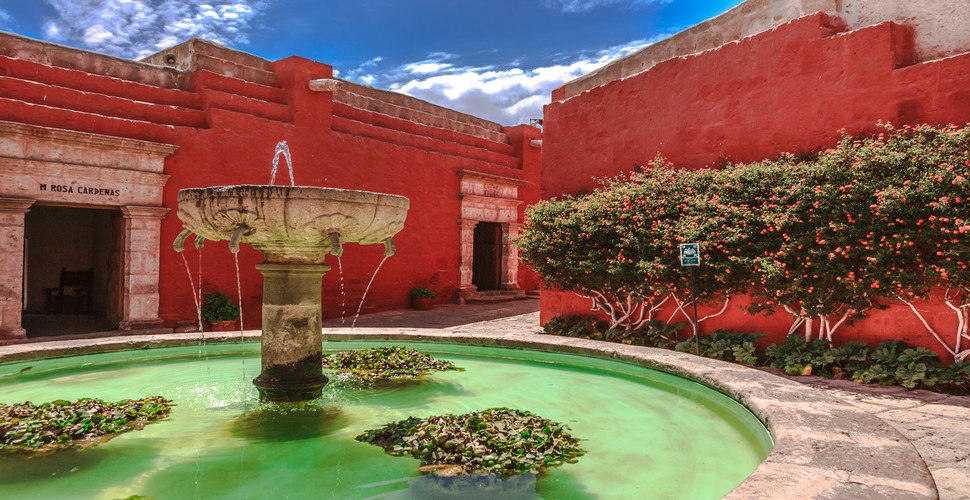
Santa Catalina Fountain
The blend of Spanish colonial architecture and local artistic influences makes Santa Catalina one of the most visually memorable sites in Peru. Many visitors spend hours wandering through its passageways, gardens, kitchens, and chapels without realizing how much time has passed.
Once inside, the noise of the city quickly fades away. The tranquil setting, vibrant colors, and carefully preserved spaces make it easy to understand why Santa Catalina remains one of Arequipa’s most visited attractions.
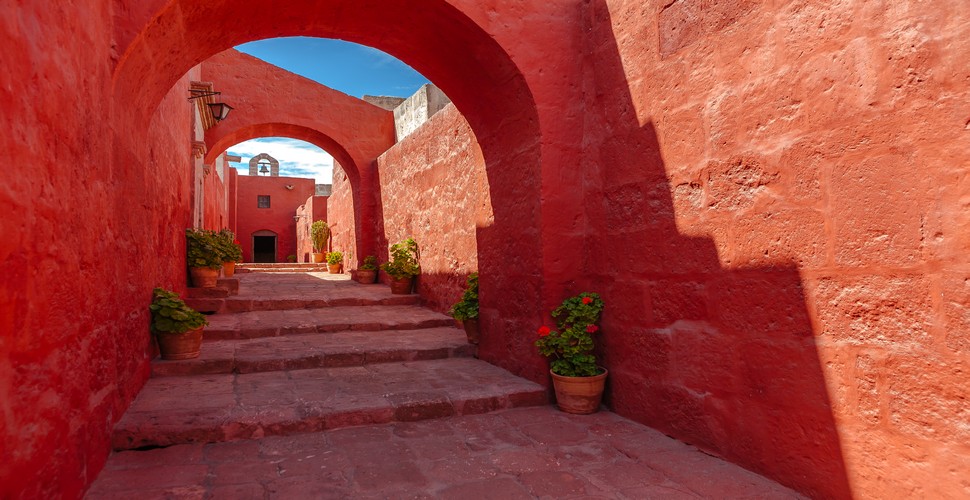
Santa Catalina Monastery
Yanahuara District
Yanahuara is one of the most picturesque districts in Arequipa and is especially known for its scenic viewpoints and traditional architecture.
The neighborhood is filled with narrow streets, white volcanic stone buildings, decorative balconies, and small plazas that preserve much of the city’s colonial character. Its most famous attraction is the Yanahuara Mirador, where visitors can enjoy panoramic views of Arequipa and the surrounding volcanoes, including Misti, Chachani, and Pichu Pichu.
The viewpoint’s iconic stone arches made from sillar have become one of the city’s most photographed landmarks. Early mornings and late afternoons are particularly rewarding, when the changing light highlights the surrounding volcanoes and rooftops of the White City.
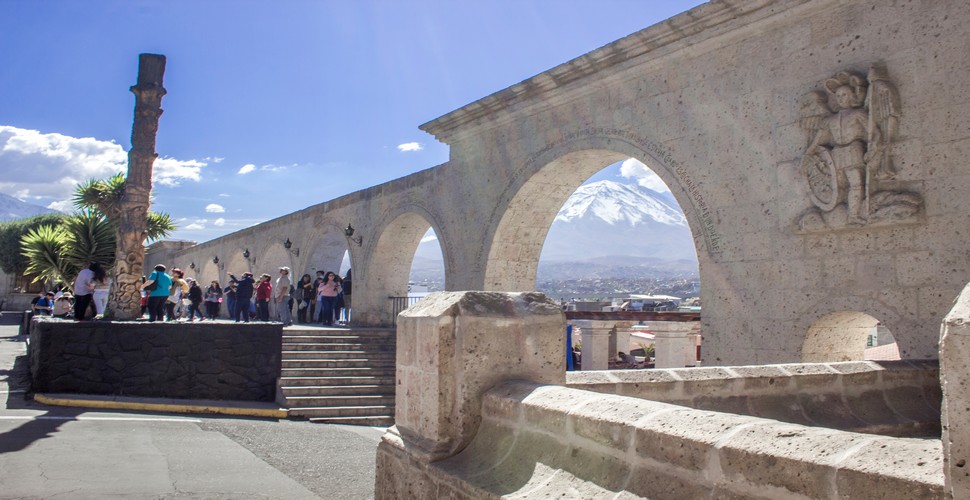
Yanahuara Viewpoint
Juanita, the Ice Maiden
Juanita, often called the “Ice Maiden,” is one of the most important archaeological discoveries ever made in Peru. The exceptionally preserved Inca mummy was discovered near Mount Ampato in 1995 during an expedition led by archaeologist Dr. Johan Reinhard.
Today, Juanita is displayed at the Museo Santuarios Andinos in Arequipa, where visitors can learn more about Inca rituals, beliefs, and ceremonial practices. The museum also exhibits textiles, ceramics, tools, and ceremonial offerings recovered from the Andes.
Seeing Juanita in person offers a rare glimpse into the spiritual world of the Inca civilization and remains one of the city’s most compelling cultural experiences. The exhibit continues to attract visitors from around the world interested in archaeology, history, and ancient Andean cultures.
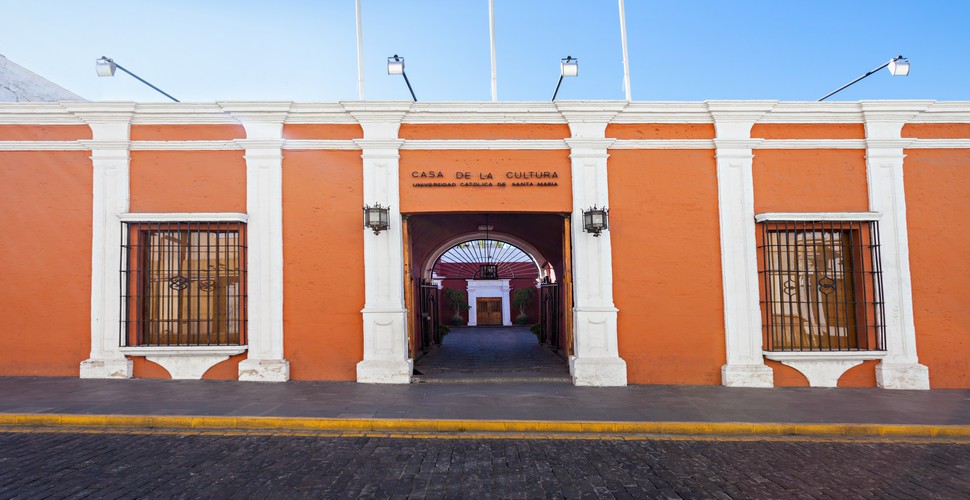
Museo Santuarios Andinos
The Colca Canyon
The Colca Canyon is widely recognized as one of the deepest canyons in the world and is one of the most popular excursions from Arequipa.
Located around 160 kilometers northwest of the city, the canyon is famous for its dramatic scenery, agricultural terraces, traditional villages, and soaring Andean condors. Watching these enormous birds glide above the canyon walls early in the morning is an experience many travelers remember long after leaving Peru.
The canyon's formation is the result of millions of years of tectonic activity and river erosion. Its vast landscapes are dotted with pre-Inca agricultural terraces that remain visible today, demonstrating the ingenuity of the ancient cultures that once inhabited the region.
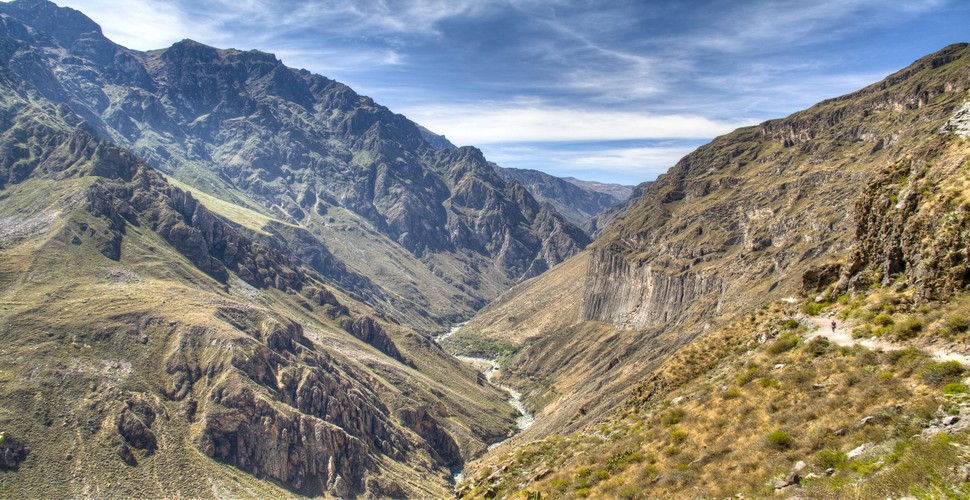
Colca Canyon
The area is also culturally rich. Local communities continue preserving traditional farming techniques, colorful customs, and ways of life that have existed in the Andes for generations. Visitors often have the opportunity to interact with local residents and gain a deeper understanding of life in Peru's highlands.
For hikers, photographers, wildlife enthusiasts, and travelers interested in both nature and culture, the Colca Canyon easily becomes one of the highlights of southern Peru.
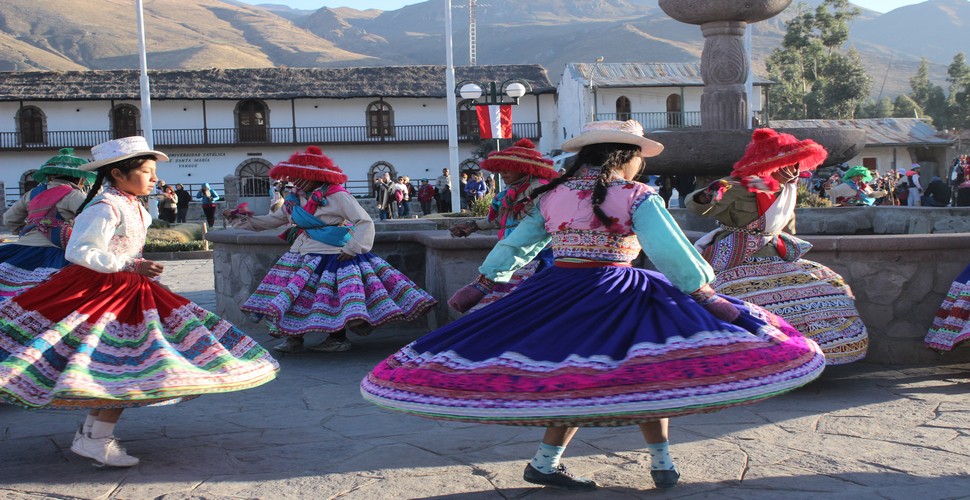
Colca Canyon Community
Is Arequipa Worth Visiting?
Absolutely. Arequipa offers a unique combination of history, architecture, gastronomy, and outdoor experiences that few destinations in Peru can match. Travelers can explore a UNESCO-listed historic center, enjoy some of the country's most distinctive cuisine, visit fascinating cultural attractions, and use the city as a gateway to the Colca Canyon and surrounding volcanic landscapes. Its walkable streets, pleasant climate, and relaxed atmosphere make it an easy destination to explore at your own pace. For visitors looking to experience another side of Peru beyond Cusco and Machu Picchu, Arequipa is well worth adding to any itinerary.
Discover Arequipa with Valencia Travel
From its white volcanic stone architecture and centuries of history to its renowned gastronomy, volcanic landscapes, and easy access to the Colca Canyon, Arequipa offers one of the most rewarding travel experiences in Peru. Whether you're interested in culture, food, nature, or history, this remarkable city deserves a place on your itinerary. At Valencia Travel, we can help you experience the best of Arequipa while seamlessly connecting your journey with unforgettable destinations such as Cusco, Machu Picchu, Lake Titicaca, and beyond. Contact our team to start planning your Peru adventure today.
SHARE THIS POST
popular-posts-title