
 Aventure
 Cultural
 Gastronomy
 Wellness
 Local Living
 Luxury

Horseback Riding Tour to the 4 Inca Ruins Near Cusco
Written by:Claire Dean
Last Update: 2026-07-09
Looking for a unique way to explore Cusco beyond the city center? The half-day horse riding tour of the 4 Cusco Inca archaeological sites takes you to four of the most important Inca archaeological sites near Cusco: Saqsayhuaman, Qenqo, Puka Pukara, and Tambomachay. Accompanied by a Spanish-English bilingual guide and riding through beautiful Andean landscapes, you'll discover the history, culture, and engineering achievements of these sacred Inca sites while enjoying an unforgettable outdoor experience. Suitable for many first-time riders, this unique horse-riding trip of the 4 Cusco ruins combines sightseeing, adventure, and some of the best views surrounding the former capital of the Inca Empire.
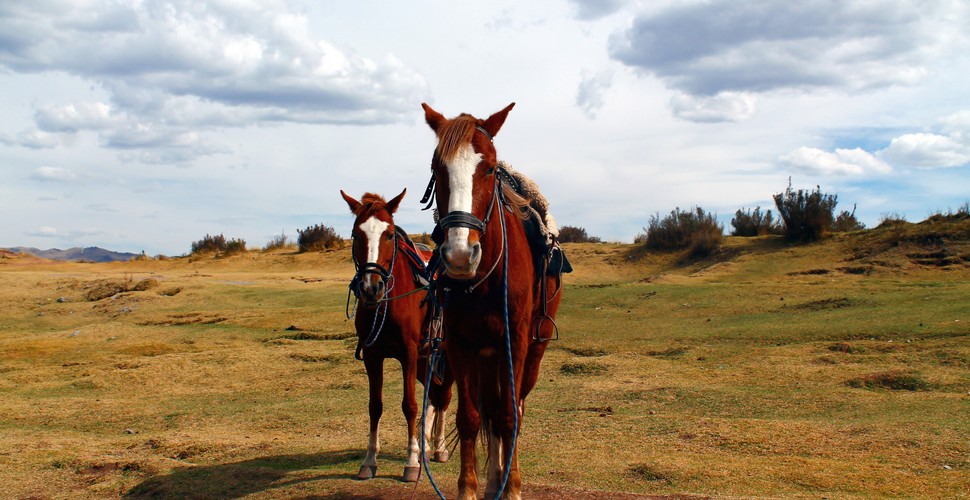
Horses waiting for their next customers
What Are the 4 Inca Ruins Near Cusco?
The half-day horse riding tour of the 4 Cusco Inca archaeological sites offers an engaging alternative for exploring the ruins near Cusco, located on the outskirts of the city. Riding through the rugged Andean landscapes of the surrounding countryside, you'll discover some of the most important historical and sacred sites of the former Inca capital, making it a perfect addition for those exploring destinations in Cusco.
These sacred Inca sites, called Saqsayhuaman, Qenqo, Tambomachay, and Puka Pukara, can all be visited on this unique horseback tour while learning about their history with a Spanish-English bilingual guide.
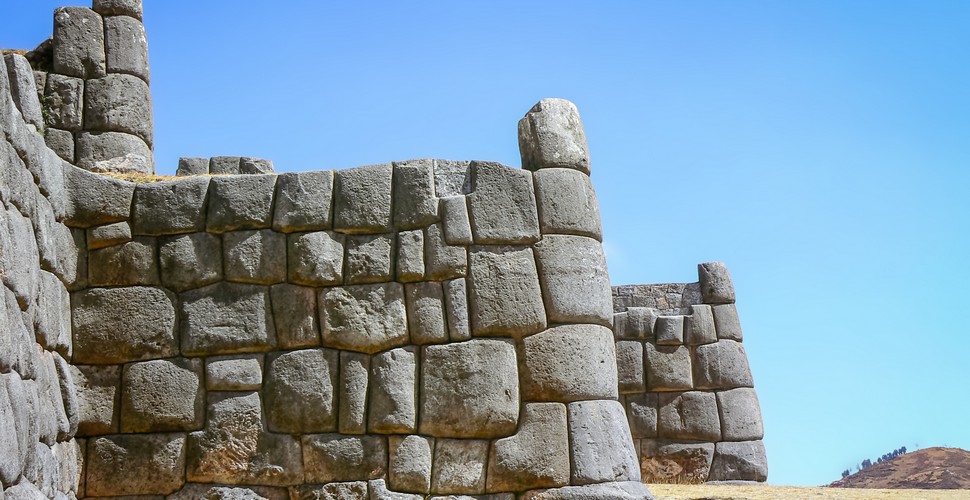
This impressive Inca fortress of Sacsaywaman can be visited on Cusco tours.
Saqsayhuaman
The most iconic ruins near Cusco, Sacsayhuaman is a staggering example of the Inca’s architectural prowess. Not only because of the size of the complex but also because of the Inca’s grand planning abilities. You may not know this, but the Incas designed Cusco in the shape of a puma, with Sacsayhuaman forming the head of the puma.
What’s most astounding is the size of the stones and where they came from. Scientists have found some of the stones were cut from quarries as far as 19 miles away. Furthermore, historical estimates suggest around 20,000 men were involved in its construction.
However, what’s probably most important about this site is a famous battle that took place here in 1536, where Sacsayhuaman served as one of the final Inca strongholds against the Spanish.
Qenqo Incan Ruins
You’ll see this name spelled multiple ways around Cusco, and this small yet fascinating site was considered a sacred place for the Incas. Qenqo is a "huaca", which signifies a place of respect, and Qenqo was the site of various ceremonies and rituals.
Fertility, solstice and equinox, and marriage rituals all took place at this site. You can still observe the precision-cut channels where Inca priests poured ceremonial libations. Where the liquid came out could signify a fantastic future or a very dark omen for the observer.
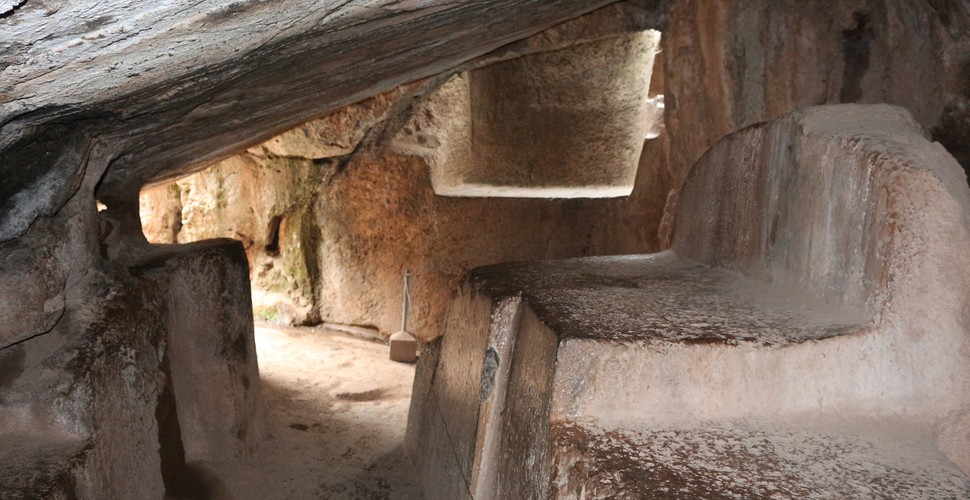
Ceremonial Altar, Qenqo
Puka Pukara Incan Ruins
This site is a bit smaller than the other ruins but no less impressive. Puka Pukara, literally translated, means “Red Fort” and was quite possibly a fortress that protected the entrance to the city of Cusco.
The Incas frequently designed multi-purpose structures; Puka Pukara served both strategic and spiritual roles. Its perfect defensive location also served as a hunting and spiritual center, making it an ideal spot to check out before venturing into other regions like Puno.
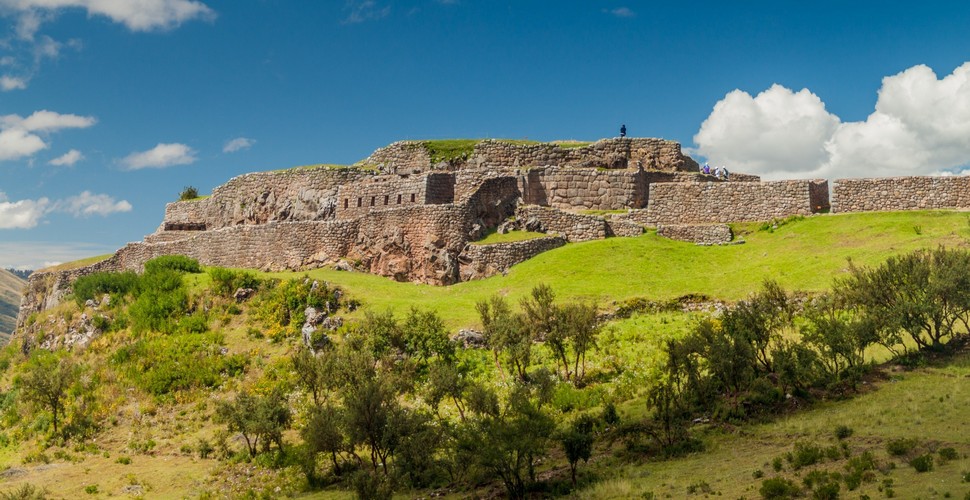
Puka Pukara
Tambomachay Inca Site
Tambomachay can be found very close to Puka Pukara, and the two were probably used in tandem. While Puka Pukara was the hunting lodge and defensive outpost, Tambomachay served as a place for rituals centered around cleansing and purification.
There are three tiered platforms at Tambomachay and on top is an area where the Incas likely placed statues of their different gods. Below it, natural waters flow out of a stone wall and down to the next level.
Finally, the water splits into two different paths, both of them pouring into a basin. This small area offers a beautiful and intricate display of the Inca’s excellent masonry abilities.
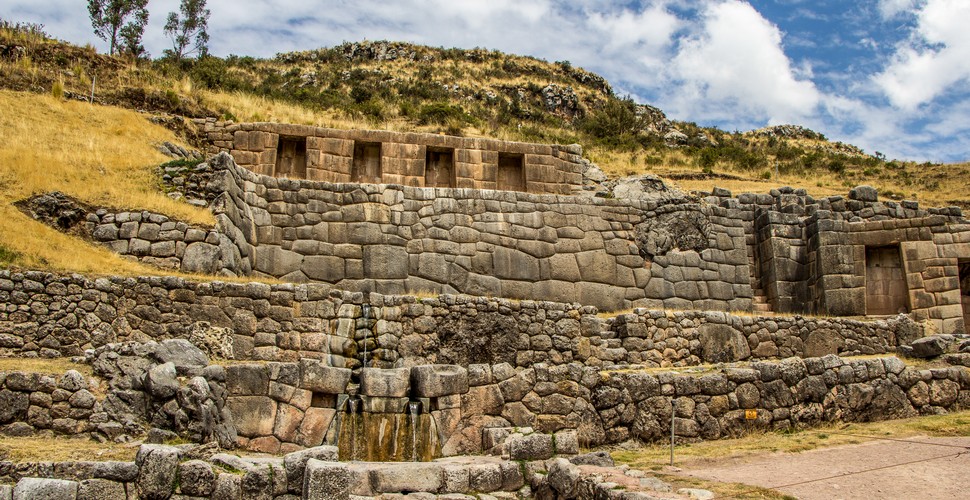
Tambomachay
What to Expect on the Horseback Tour
This premium excursion features expert bilingual guides, well-trained horses, and detailed historical commentary at each site. These sacred Inca sites of Saqsayhuaman, Qenqo, Tambomachay, and Puka Pukara can all be visited on horseback. Our horses are specifically selected for their calm temperament, ensuring a gentle, secure, and comfortable ride for travelers of all experience levels.
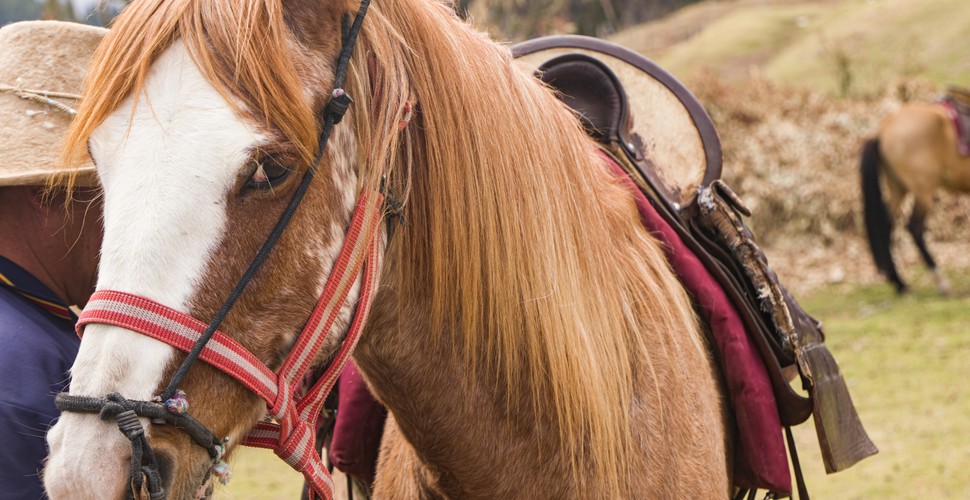
Cusco Horse
With a morning or afternoon pickup, whichever you prefer, you’ll start with a drive to Saqsayhuaman, the imposing 14th-century fortress that overlooks the imperial city and stands out among the top destinations in the region.
With the guide, you’ll explore its esplanade, nooks, and huge walls while learning about its fascinating history. Don’t miss the circular tower base at the top, which offers excellent views over Cusco.
The next stop is Qenqo, where you'll walk through narrow carved alleys seamlessly integrated into the surrounding rock formations. Evoking comparisons to England's Stonehenge, this sacred sanctuary has long been associated with ceremonial activities.
You will then continue to the ranch to meet the horses and riding crew. After a brief safety demonstration, you will mount your horse and head into the trails. This ride takes you around the Sacsayhuaman Archaeological Park for approximately one hour. Along the way, you will enjoy panoramic views of the Andes, local farms, ongoing archaeological excavations, llamas, alpacas, and the beautiful landscapes surrounding Cusco.
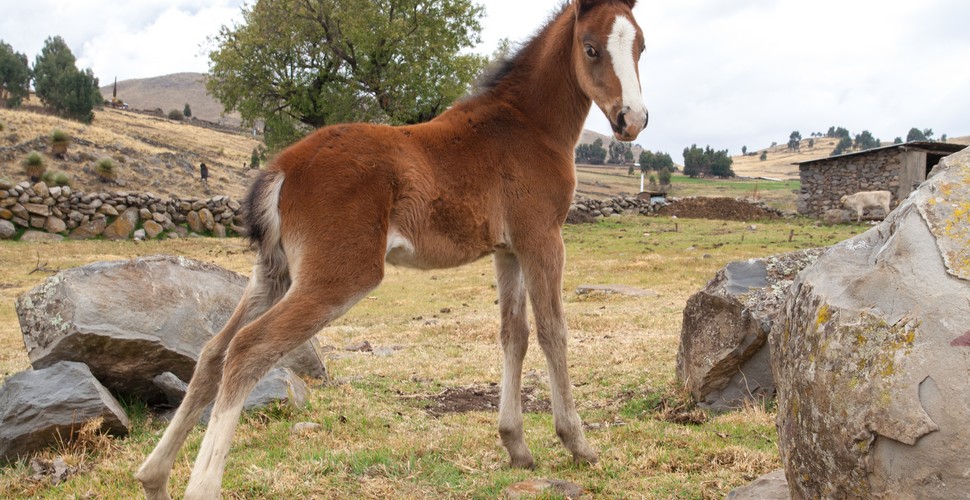
Foal at The Ranch
Once the horseback ride is complete, you'll continue by vehicle to Tambomachay to see its beautiful water fountains, stopping along the way at the nearby fort of Puca Pukara.
After a memorable adventure, you'll be returned to your hotel by midday or late afternoon, depending on whether you choose the morning or afternoon departure. Morning departures are generally more predictable weather-wise, especially during the rainy season, which helps when coordinating further activities like the short Inca trail to Machu Picchu.
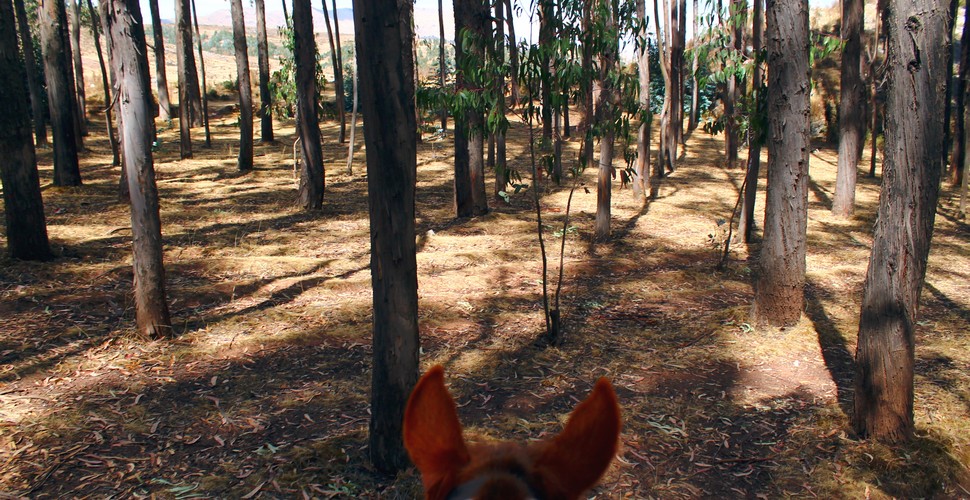
Qenqo Forest
Practical Information
Duration
This is a half-day tour, making it an excellent option for travelers who want to visit the four ruins near Cusco without dedicating an entire day.
Is It Suitable for Beginners?
Yes. Basic riding instructions are provided before departure, and many travelers join this experience with little or no previous horseback riding experience.
Best Time to Go
The tour operates throughout the year. Morning departures are often recommended during the rainy season due to more stable weather conditions.
What to Wear
Wear comfortable clothing, closed-toe shoes, sunscreen, sunglasses, and a light jacket. Weather in the Andes can change quickly, so layers are always recommended.
Why Choose a Horseback Tour Instead of a Standard City Tour?
| Traditional City Tour (By Bus) | Horseback Riding Tour |
|---|---|
| Limited interaction with the landscape | Greater connection with the countryside |
| Mostly transportation between sites | Experience becomes part of the attraction |
| Traditional sightseeing | Adventure and sightseeing combined |
| Suitable for most travelers | Ideal for travelers seeking something different |
Discover Cusco's Inca Heritage on Horseback
Exploring the four Inca ruins on horseback offers a different perspective on Cusco’s history, landscapes, and living culture. It's a memorable way to combine archaeology, outdoor adventure, and spectacular Andean scenery in a single experience.
If you're planning your visit to Cusco, Valencia Travel can help you combine this tour with Machu Picchu, the Sacred Valley, or other carefully designed experiences that showcase the rich heritage of Peru.
SHARE THIS POST
popular-posts-title