
 Aventure
 Cultural
 Gastronomy
 Wellness
 Local Living
 Luxury

Peru Airport Guide: New Terminal & Domestic Hubs
Written by:Claire Dean
Last Update: 2026-07-14
Arriving in a new country can feel a bit like stepping onto an unfamiliar playing field. If you are planning an adventure to Machu Picchu, the Andes, or the deep Amazon, your entry point into Peru will be the capital city of Lima. For decades, the main gateway has been the Jorge Chávez International Airport (LIM), located in Callao. However, the travel landscape has changed completely.
Peru has officially opened its brand-new, world-class airport terminal, turning this vital South American hub into one of the most technologically advanced aviation centers on the continent. To help you navigate your arrival smoothly, ensure your safety, and transition effortlessly to your booked Peru travel packages or domestic connections, here is our comprehensive, locally-tested guide to navigating Peruvian airports.
The New Jorge Chávez: South America’s Top Hub
The recently opened terminal triples the size of the old facilities, expanding the airport's capacity to handle up to 40 million passengers annually. Designed as an "Airport City," it is structured to redistribute traveler flow efficiently and provide an immersive introduction to Peru from the moment you step off the plane.

The New Terminal At Jorge Chavez
Layout of the New Terminal: What’s on Each Level?
The new infrastructure features five distinct levels, each dedicated to specific passenger logistics. Understanding this layout will save you precious minutes when managing tight connections, especially if you plan to explore top destinations in South America.
Modern Tech Features: Biometrics and Seamless Boarding
To minimize long wait times, the terminal has implemented biometric e-gates across immigration and boarding sections. State-of-the-art 3D scanners in the baggage check zones eliminate the need to remove liquids or laptops from your carry-on bags, vastly speeding up the security process. Additionally, look out for the unique architectural details, such as interior artwork inspired by the ancient Nazca lines, specifically the iconic hummingbird motif.
Essential Logistics: How to Get from Lima Airport to Your Hotel Safely
While the terminal itself is modern and efficient, getting out into the city requires local insight. Most international travelers prefer to stay in tourist-friendly coastal neighborhoods like Miraflores, San Isidro, or Barranco.
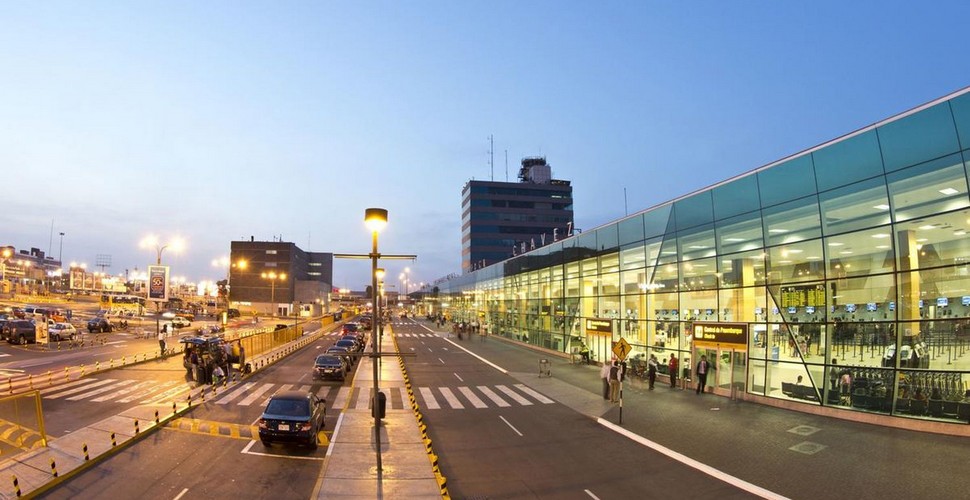
Jorge Chavez International Airport
When you pass through customs and enter the arrivals hall, you will likely be met by a large crowd of unauthorized taxi drivers offering rides. For peace of mind, we strongly recommend avoiding drivers who solicit business outside the official terminal counters or on the street.
Instead, look for the designated, authorized taxi stands located immediately after the customs exit. Companies such as Taxi Green, Taxi Directo, or Taxi 365 operate with fixed, transparent rates and vetted drivers. Alternatively, the Airport Express Lima bus provides reliable, scheduled transfers directly to the main hotels in Miraflores.
Outside of standard rush hours, a drive to Miraflores takes roughly 40 minutes. However, traffic in Lima can be notoriously unpredictable; during peak hours, this same commute can easily stretch to two hours.
Connecting to the Andes: Flying from Lima to Cusco (CUZ)
For the vast majority of travelers, Lima is simply the strategic staging ground before flying out to the Alejandro Velasco Astete International Airport (CUZ) in Cusco, the gateway to Machu Picchu.

Cusco´s Plaza de Armas
The flight from Lima to Cusco takes approximately one hour and twenty minutes and passes over the dramatic snow-capped peaks of the Peruvian Andes. Major domestic airlines like LATAM, Sky Airline, and Star Perú operate this route frequently, with flights departing almost every hour.
Because Cusco sits at a high altitude of 3,399 meters (11,152 feet) above sea level, your arrival experience here will feel different. The airport is relatively small and located right within the city limits, roughly 15 minutes from the historic center. We highly recommend pre-arranging your transfer through your travel provider to avoid any stress upon landing, allowing you to head straight to your hotel to rest, hydrate with local coca tea, and acclimatize properly.
Other Key Airports in Peru for International Travelers
If your South American itinerary stretches beyond Cusco and the Sacred Valley, you will likely interact with other important regional terminals across Peru. These hubs open up a variety of cultural treasures and unique geographical wonders.

A Common Colca Canyon Street Scene
Juliaca (JUL) – Gateway to Lake Titicaca
Located in the southern highlands, the Inca Manco Cápac Airport in Juliaca is the primary aerial entry point for those looking to explore the pristine waters and floating reed islands of Lake Titicaca. From the Juliaca airport, a one-hour ground transfer takes you directly to Puno, the lakeside port city.

The Amazon Rainforest
Puerto Maldonado (PEM) – Gateway to the Southern Amazon
For itineraries that include exploring the Amazon and tracking local wildlife, you will fly into the Padre Aldamiz Airport in Puerto Maldonado. This small domestic terminal connects the southern Andes to the Tambopata National Reserve and Manu National Park, offering direct flights from both Lima and Cusco.
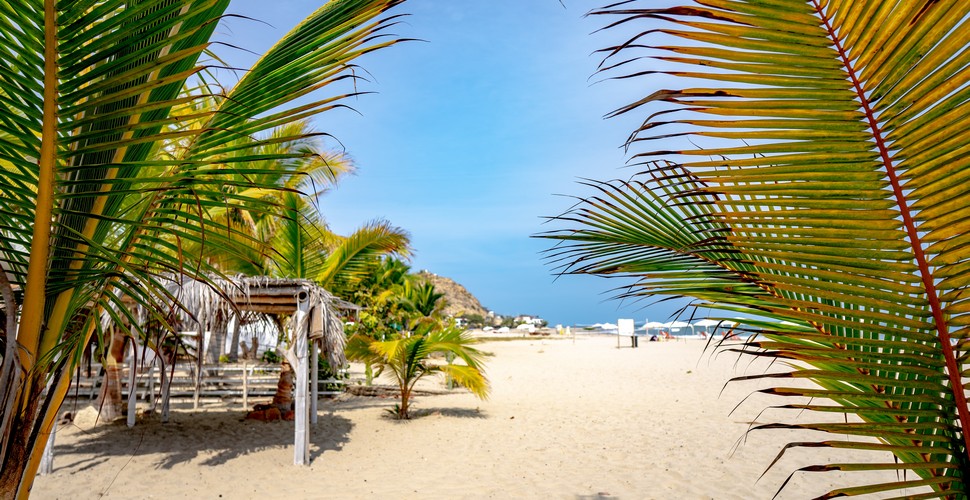
Punta Sal in The North of Peru
Talara (TYL) or Tumbes (TBP) – Gateways to the Northern Beaches
If you plan to combine highland trekking with Peru’s northern coastline, your main destinations are the warm northern waters of Máncora, Vichayito, and Punta Sal. The Cap. FAP Víctor Montes Arias Airport in Talara (TYL) is the most strategic hub, located just an hour and fifteen minutes away from Máncora by car. Alternatively, flying into the Tumbes Airport (TBP) provides excellent access if you are staying in the exclusive resorts closer to Punta Sal.

Uros Floating Islands on Lake Titicaca
Crucial Airport Tips from Local Destination Experts
- The Morales Duárez Buffer: The sole vehicle access route leading to the new Lima terminal is Avenida Morales Duárez. Because this road remains restricted to two lanes in each direction, traffic congestion is frequent. Always allow an extra hour for your journey. We suggest arriving 4 hours before international flights and 3 hours prior to domestic departures.
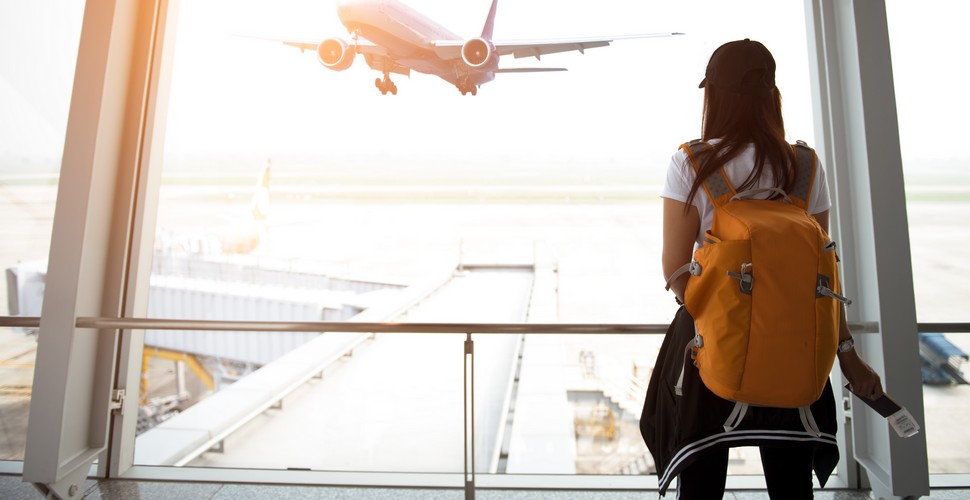
Waiting at The Departure Gate in Lima Airport!
- Digital Integration: Scan the official LAP QR codes scattered throughout the terminal check-in areas. This connects you to a real-time WhatsApp automated chat assistant that feeds up-to-the-minute details regarding departure gates and schedule modifications directly to your phone.

Peru Family Vacation
- Cash and Currency: Electronic payments are widely accepted throughout the major cities. However, it is highly practical to keep small denominations of local currency (Peruvian Soles) handy for tips, market visits, or quick airport incidentals.
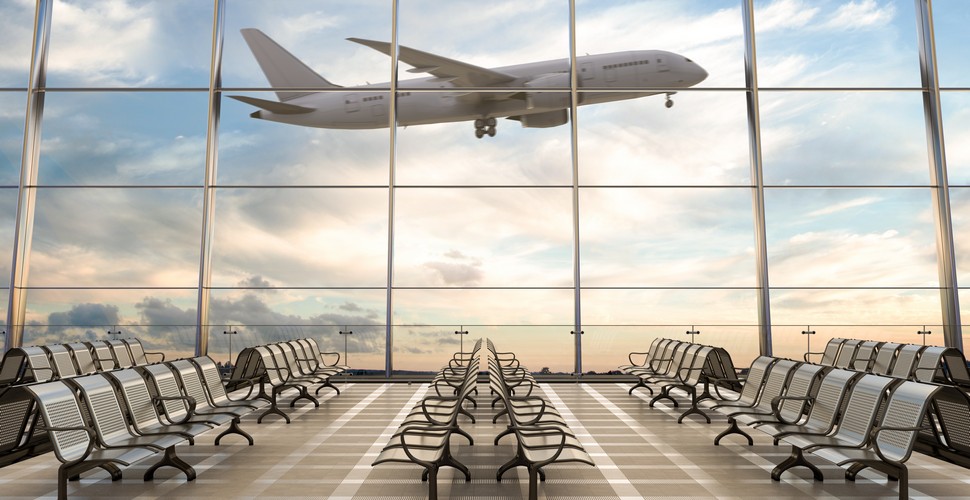
Waiting Lounge
FAQs About Peru Airports

The Remote Highlands of Cusco
Do I need to clear customs in Lima if my final destination is Cusco?
Yes. All international travelers entering Peru must pass through immigration, claim their checked bags, and go through customs control at the Jorge Chávez International Airport in Lima before proceeding to the domestic departures area for their connecting flight.
Are there direct international flights to Cusco?
While the vast majority of international flights route through Lima, Cusco’s Alejandro Velasco Astete Airport does receive a limited number of direct regional international flights from South American cities like La Paz (Bolivia), Santiago (Chile), and Bogotá (Colombia).
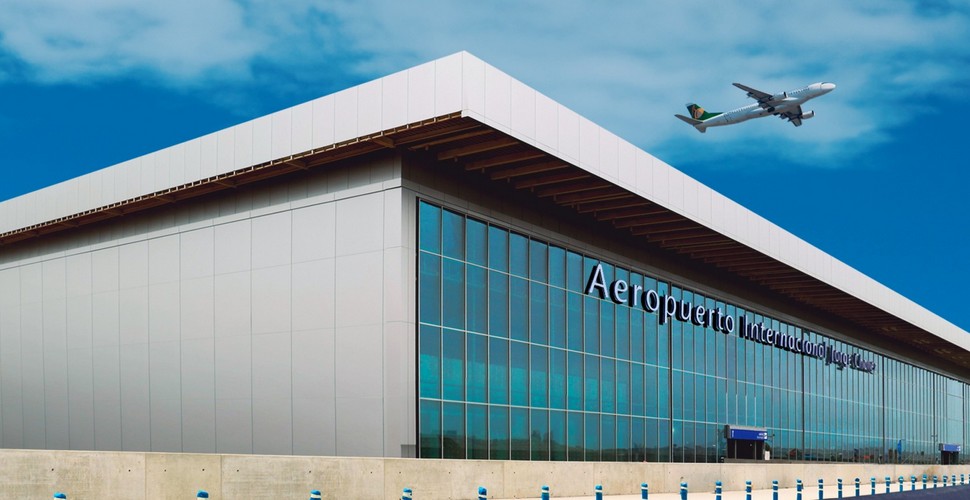
The New Lima Airport Terminal
Can I store my heavy luggage at the Lima airport while I travel to the Andes?
Yes, the new terminal features a secure, 24/7 baggage storage facility (custodia de equipaje) located in the public concourse. This is an excellent option if you are planning an active trek like the Rainbow Mountain trail and want to travel only with a lightweight backpack.
How early should I arrive at the airport for a domestic flight within Peru?
Due to the new access roads and increased passenger volume, we strictly recommend arriving at least 3 hours before domestic departures, particularly when flying out of Lima. For smaller regional airports like Cusco or Puerto Maldonado, 2 hours is generally sufficient.
Plan your visit to the land of the Incas with absolute confidence and peace of mind. Navigating new terminals, tracking local internal schedules, and organizing smooth connections across South America shouldn't feel like a logistical puzzle. Let our destination specialists at Valencia Travel take the weight off your shoulders. We handle everything from your initial airport transfers and certified taxi logistics to domestic flight bookings, private guides, and tailored luxury itineraries. Contact our travel team today, and let’s start designing a seamless, tailored journey across Peru.
SHARE THIS POST
popular-posts-title