
 Aventure
 Cultural
 Gastronomy
 Wellness
 Local Living
 Luxury
Written by:Claire Dean
Last Update: 2026-09-26
World Tourism Day falls on the 27th of September this year. The 2026 theme for World Tourism Day is the“digital agenda and artificial intelligence redesigning tourism”. El Salvador is hosting the official events this year, in San Salvador (the capital) and Surf City. The UN picked this date back in 1980 to mark the date when the United Nations World Tourism Organization's founding statutes were signed, in 1970. It has been recognized every year since that date, with a different host country and differing theme each year. This allows the day to cover the many different aspects related to the tourism industry.
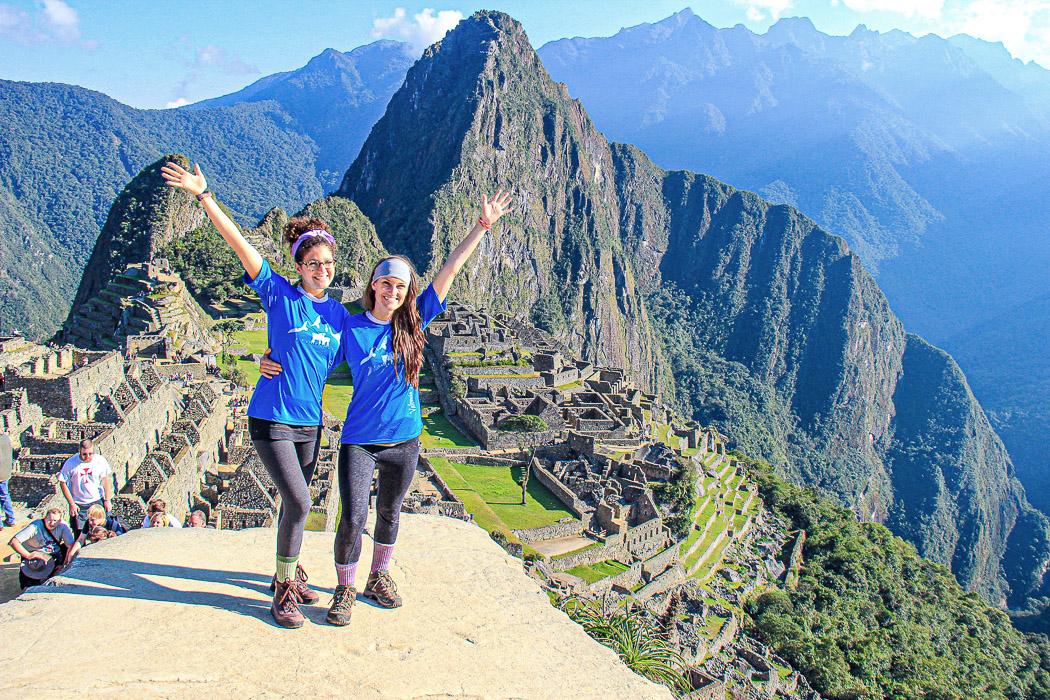
Peru's tourism industry is of course based largely around the site of Machu Picchu. The main issues are often based on themes such as Machu Picchu and Inca Trail permits, porter welfare, guides, cooks, drivers, and small, locally run hotels spread across the Sacred Valley and other popular tourist destinations. Machu Picchu alone brings in visitors from around 150 countries a year, and the money from those visits reaches a lot further than the site itself. Cusco's economy depends heavily on tourism. So do smaller towns like Ollantaytambo, Pisac, and Aguas Calientes, where entire local economies are built around trekkers and day visitors passing through, or even spending a few nights there.
You can book an Inca Trail permit online in just a few minutes now. Only 500 permits are released for each day, and that includes staff, guides, porters, and cooks, not just trekkers! So, the actual number of trekking spots for travelers is approximately 200! Permits for popular months like June through August often sell out six months ahead. Some dates in May sell out on the same day they go on sale! Machu Picchu entrance tickets are now based around designated circuits and can also sell out as the dates approach. The whole Machu Picchu and Inca Trail issue is definitely an experience that you need to book in advance with an authorized operator like Machu Picchu Peru by Valencia Travel Cusco.
Why The Theme Is Important this Year
Digital tools and marketing have already changed how people plan their Peru trip and how businesses promote their tours. Permits, trail conditions, weather forecasts, and reviews of tour operators are all a Google search away before anyone even thinks about packing their bags. Route maps and elevation profiles for every day of the trek are easy to find now, along with detailed packing lists and altitude sickness advice. That access does genuinely help travelers prepare better than they could even just a decade ago.
It also raises a real question about what gets lost when a place gets previewed this thoroughly before anyone actually visits it. Some travelers arrive at Machu Picchu already knowing exactly what every angle will look like, having seen it hundreds of times online first. Peru is trying to resist being flattened into pure content mostly because the physical demands of reaching its best sites can't be skipped or avoided. You can't scroll your way to directly to the Sun Gate! You have to walk there, over four days or two, or going in the opposite direction from the site of Machu Picchu, along a designated circuit!
This year's theme at the World Travel Awards puts artificial intelligence center stage, also. AI-powered trip planning, chatbots recommending itineraries, algorithms suggesting the next destination based on past searches. Peru's tourism board and private operators have started using some of these tools too. This is mostly for customer service and administrative work and not as an alternative to visiting the country, of course! To hike the Inca Trail still requires the same permits, the same physical effort, prior preparation, and acclimatization in the same way that it has always been done. AI cannot help you with that!
Beyond Machu Picchu
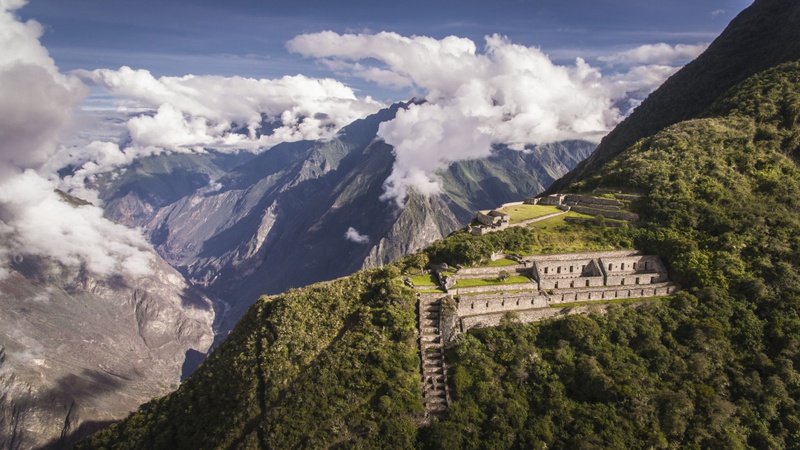
Machu Picchu tends to dominate every conversation about Peru, but the country holds a lot more territory worth protecting and visiting. Ollantaytambo, in the Sacred Valley, still has families living inside buildings the Inca originally constructed, making it one of the few places in Peru where Inca-era urban planning is still inhabited rather than preserved as a museum piece. Pisac runs a large Sunday market next to its own set of ruins, terraced agricultural platforms cut into the hillside above the town.
Cusco itself sits directly on Inca foundations. Colonial-era buildings across the historic center were built on top of Inca stonework, and in several streets the base layers of Inca construction are still visible beneath more recent Spanish colonial architecture. The mix is part of what makes Cusco distinct from other colonial cities in South America.
A Slower Way to Visit Peru
Peru's tourism income actually is shared throughout the whole country. It is spreads a lot wider than just Machu Picchu, though of course, this particular site sits on the throne of Peru attractions! In the Sacred Valley, weaving cooperatives around villages like Chinchero still use ancient weaving techniques passed down through family traditions. They still use natural dyes made from local plants and even insects! The designs are ancestral and carry specific meaning depending on the community in which they are made. Visiting one of these communities properly means a more immersive experience, and for that you need to build time into your itinerary, not just watch a ten-minute demonstration. It means sitting down with the weavers, asking them questions, sometimes trying your hand at weaving yourself. This is the type of travel that will help you immediately understand how much skill and knowledge is actually involved in the textiles they produce.
The Lares Valley
The Lares Valley offers something very similar but on foot. Treks through this highland region pass through small Quechua-speaking communities where daily life has still not been affected by tourism. Quechua families still farm the land, planting potatoes and herding alpacas the way they have done since forever, basically. Homestays are possible in some of these villages, staying with a local family rather than a hotel, eating what they eat, sleeping under the same roof. This is a completely different kind of travel from checking into a hotel chain in Cusco! It is immersive, slower, cultural, and really understanding the essence of the Peruvian Andes. And this needs time. This way of travel offers you authenticity, and it also puts money directly into these remote Andean communities rather than the pockets of international tour operators.
Lake Titicaca
Further south in Peru, Lake Titicaca yet offers another opportunity for immersion. The Uros Islands, built from woven totora reeds, are often visited as a quick stop on a boat tour. Staying overnight is a more immersive one. Evenings spent with the indigenous families of the real islands usually involve a shared meal, sometimes a traditional dance, and family conversations that other tourists don't generally get to experience.
Arequipa and Colca Canyon
Arequipa and the Colca Canyon offer a different experience again. The canyon is one of the deepest in the world, and small towns along the canyon edge, like Yanque and Cabanaconde, still hold onto ancient traditions. Travelers generally visit to see condors gliding overhead in the morning, which is amazing too. However, staying a night or two in one of these smaller villages rather than doing a rushed day trip from Arequipa offers a more authentic Peru experience. You can see local markets, traditional festivals if the timing works out, and have conversations with local people who rarely get asked about anything beyond giving directions to the Condor Cross!
The Amazon Rainforest
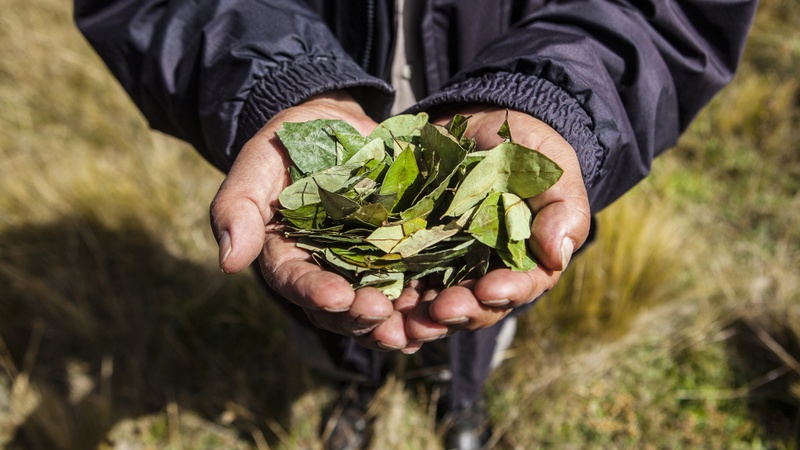
The Amazon region adds still another layer. The Eco Lodges around Puerto Maldonado often employ guides from local communities, some of them descendants of families who have lived along these rivers literally forever. Untouched by the outside world. Slower, multi-day stays allow time for night walks, visits to nearby communities, learning about medicinal Amazon plants, and a much deeper look at a region.
Marking World Tourism Day
Most people do not do anything formal for World Tourism Day. It is not a holiday most travelers plan around, and it certainly doesn't come with fireworks or public celebrations. The more practical way to mark World Tourism Day is simply booking a trip that has been sitting on a list for too long, or booking one that keeps getting pushed back.
For Peru specifically, that usually means one of a few concrete decisions. Locking in Inca Trail permits well ahead of the season, since the popular months sell out months in advance. Choosing the luxury departure if the appeal of the trek is the history and scenery rather than the camping itself. Or fitting the two-day trekking route into a shorter trip if four full days isn't realistic due to work or school commitments.
Walking into Machu Picchu after days on the Inca Trail still means what it has always meant, regardless of how much digital planning you put into actually getting there. No amount of pre-trip research changes that part of the experience. The Trail has to be trekked to be understood, and that has not changed in any way. You have to do it to know it!
SHARE THIS POST
popular-posts-title