
 Aventure
 Cultural
 Gastronomy
 Wellness
 Local Living
 Luxury

Fascinating Facts About the Peruvian Guinea Pig (Cuy)
Written by:Claire Dean
Last Update: 2026-07-08
Peru, a land of unique culture and rich history, is not only known for its stunning landscapes and ancient ruins but also for its fascinating culinary traditions. One such culinary delight that might surprise you is the Peruvian Guinea Pig, locally known as "Cuy." This furry little creature holds a special place in Peruvian cuisine and culture. For many international visitors, eating guinea pig in Peru is one of the most unusual and memorable food experiences they encounter during their travels. While it may seem surprising to some travelers, cuy has been part of Andean life for centuries and remains an important symbol of heritage, celebration, and local identity.
Here are 7 intriguing facts about the Peruvian Guinea Pig that you might not be aware of!
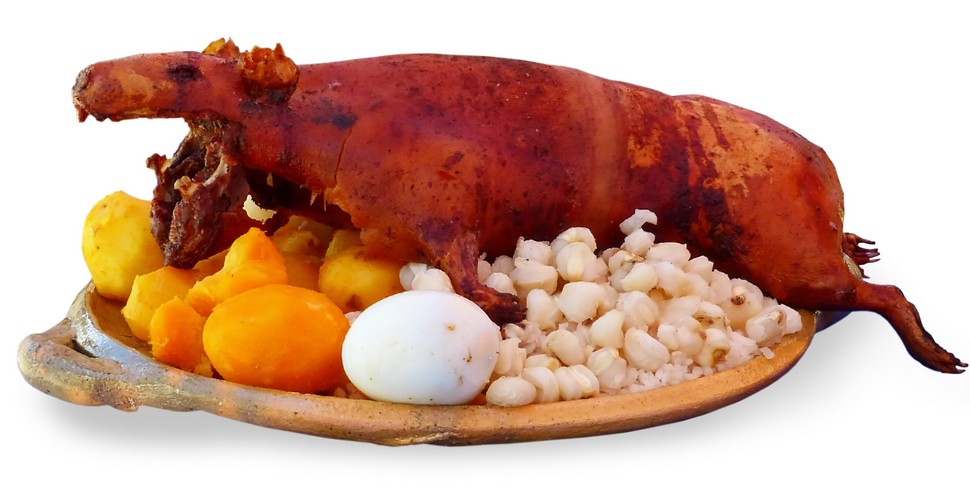
Quick Facts About Cuy in Peru
| Fact | Details |
|---|---|
| Local Name | Cuy |
| Cultural Origin | Pre-Incan Andes |
| Main Region | Peruvian Highlands |
| Traditional Role | Ceremonial and festive food |
| Nutritional Benefit | High protein, low fat |
| Popular Preparations | Roasted, fried, baked (al horno) |
| Common Tourist Destination | Cusco and the Sacred Valley |
7 Fascinating Facts About the Peruvian Guinea Pig (Cuy)
The Peruvian guinea pig, known locally as cuy, is far more than a traditional dish. It has played an important role in Andean life for thousands of years, appearing in local customs, celebrations, and daily cuisine. From its ancient origins to its modern interpretations, cuy remains an important expression of Peru's cultural heritage.
1. Ancient Culinary Tradition
The consumption of guinea pigs dates back thousands of years to pre-Incan times. Indigenous Andean communities regarded cuy as a valuable source of protein due to the limited availability of domesticated animals at high altitudes. This tradition has persisted through the centuries and is still a cherished part of Peruvian cuisine.
Archaeological evidence suggests that guinea pigs were domesticated in the Andes long before the rise of the Inca Empire. Today, cuy Peru food continues to be served during family gatherings, religious celebrations, and community festivals, preserving a culinary heritage that has survived for generations.
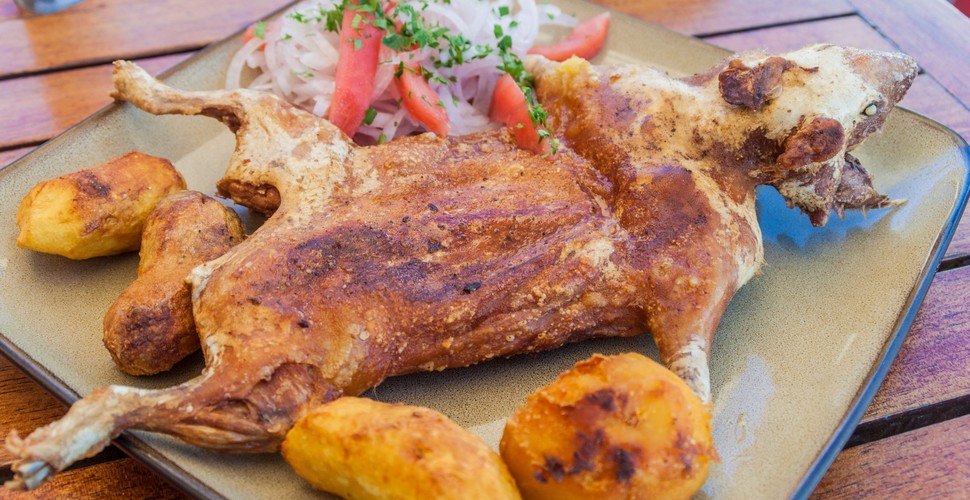
Cuy Chacteado
2. Symbol of Prosperity
In Peruvian culture, cuy is more than just a delicacy; it's also a symbol of prosperity and good luck. During special occasions and festivals, families often serve roasted or fried guinea pig as a sign of abundance and good fortune.
In many Andean communities, sharing a cuy meal remains an important social tradition. Offering this dish to guests is often considered a gesture of hospitality and respect, reflecting its longstanding cultural importance.
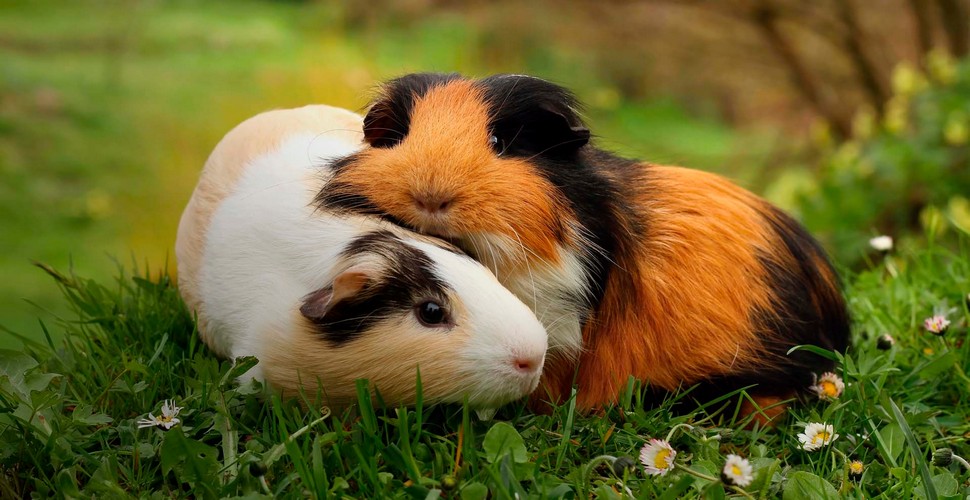
Lucky Cuyes
3. Nutritional Value
Guinea pig meat is high in protein and low in fat, making it a nutritious option. It is also rich in essential vitamins and minerals like vitamin B12, iron, and zinc. In regions where cuy is a dietary staple, it contributes to the nutritional well-being of the local population.
Its nutritional profile is one reason why cuy has remained an important food source in the Andes. Compared with many other meats, it provides substantial protein while containing relatively little fat.
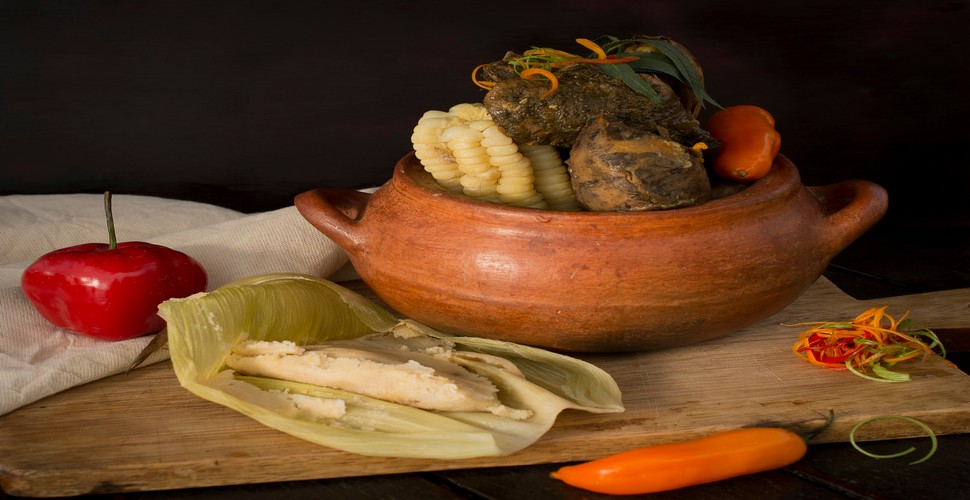
Pacha Manca
4. Culinary Diversity
Peru's regional cuisines vary considerably across the country, and cuy is prepared in various ways across different regions. From classic roasted cuy served with potatoes to innovative dishes that incorporate modern cooking techniques, Peruvian chefs continue to experiment with this traditional ingredient.
Cuy Chactado vs Cuy al Horno
| Preparation | Characteristics |
|---|---|
| Cuy Chactado | Flattened and fried until crispy, especially popular in southern Peru. |
| Cuy al Horno | Oven-roasted, often seasoned with local herbs and spices, with a softer texture. |
One of the most common comparisons made by visitors involves the difference between cuy chactado vs al horno. Cuy chactado is typically flattened and fried until crispy, while cuy al horno is baked and often seasoned with local herbs and spices. Both preparations remain popular throughout the Peruvian Andes and offer distinct textures and flavors.
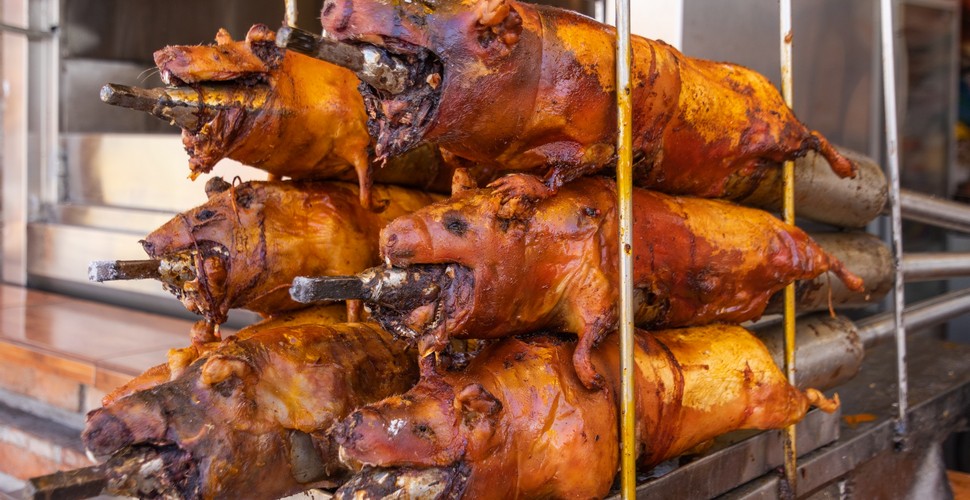
Cuy Kebabs
5. Culinary Contests
Cuy has gained such popularity in Peru that there are culinary contests dedicated solely to creating the most innovative and delicious guinea pig dishes. These competitions highlight how local chefs reinterpret traditional recipes and present this traditional ingredient through contemporary approaches.
These events also help preserve traditional cooking methods while encouraging younger generations to continue exploring Peru's rich gastronomic heritage.
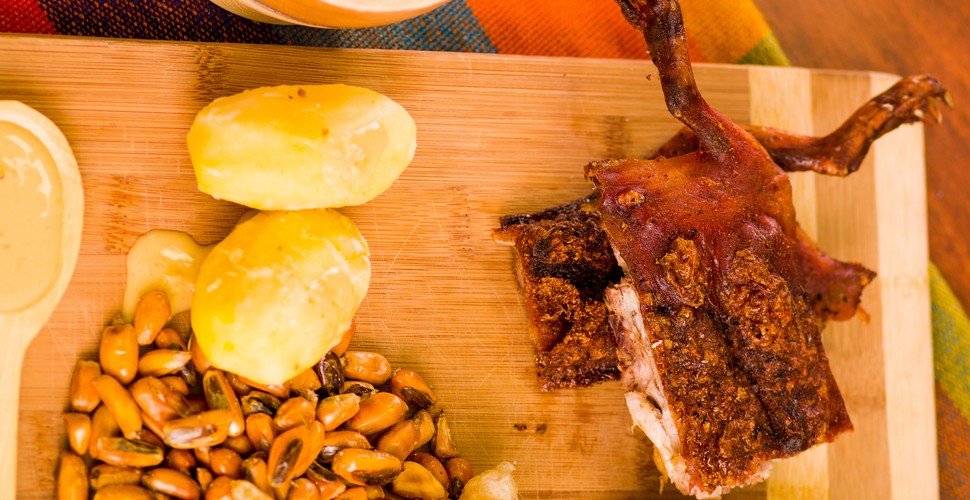
Gourmet Guinea Pig
6. Exporting Tradition
In recent years, the popularity of cuy has spread beyond Peru's borders. Peruvian restaurants around the world have introduced guinea pig dishes to international diners, providing a unique opportunity for people to experience a taste of Peruvian culture and cuisine.
As Peruvian gastronomy continues to gain global recognition, dishes featuring cuy have become part of the conversation surrounding authentic Andean cuisine and cultural identity.
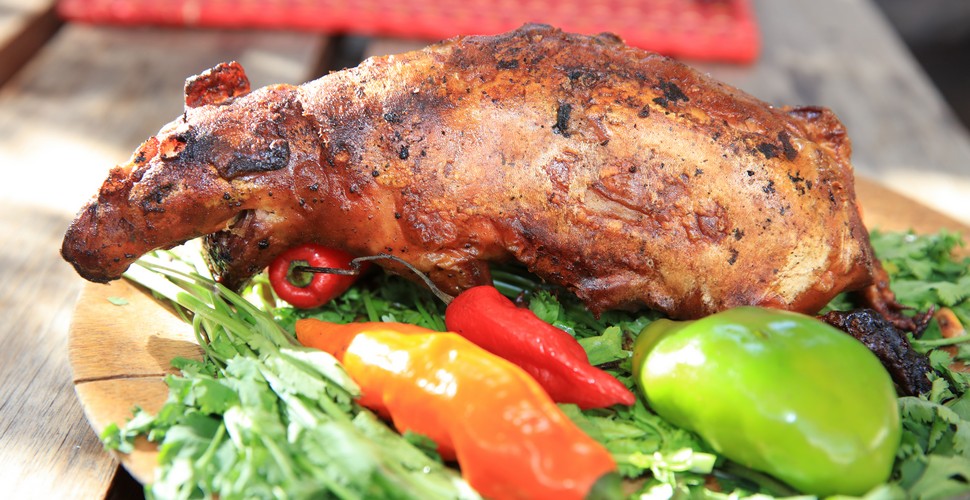
Cuy al Horno
7. Cultural Responsibility
While cuy consumption is deeply rooted in tradition, there's a growing awareness of the need for responsible practices. Efforts are being made to ensure that traditional practices are sustainable and respect the welfare of the animals involved, reflecting an evolving sensitivity to the balance between cultural heritage and ethical considerations.
This conversation has become increasingly relevant among travelers interested in sustainable tourism and ethical food experiences. Understanding the historical context behind cuy helps visitors appreciate why the practice remains culturally significant throughout Peru.
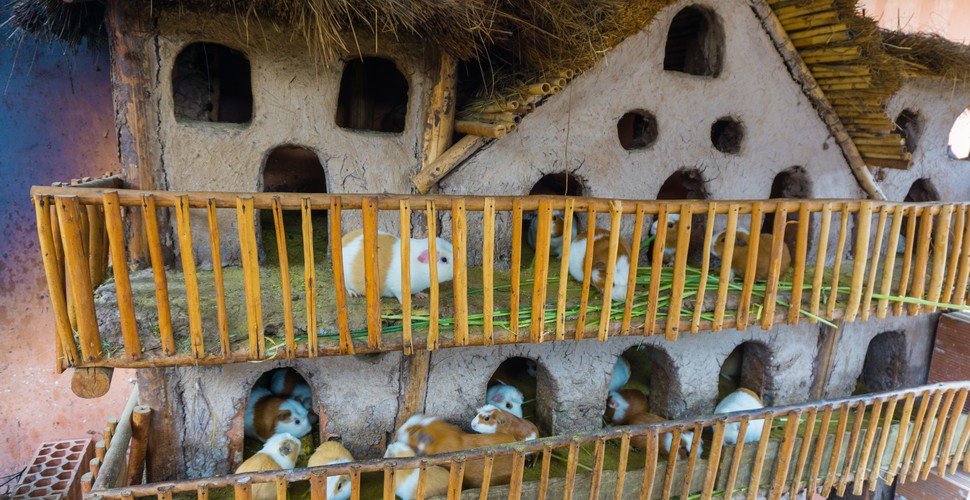
Cuy Penthouse
Frequently Asked Questions About Cuy in Peru
What does guinea pig taste like in Peru?
Many travelers describe cuy as having a flavor somewhat similar to chicken or rabbit, though slightly richer and more game-like. The texture varies depending on the preparation method, with roasted and fried versions offering a crisp exterior and tender meat inside.
Is it safe for tourists to eat cuy in Peru?
Yes. When prepared by reputable restaurants and local establishments, cuy is generally safe for visitors. It has been consumed throughout the Andes for centuries and remains a common part of regional cuisine.
Where can tourists try cuy in Cusco?
Visitors interested in trying cuy in Cusco can find it in traditional restaurants throughout the city and the Sacred Valley. Many cultural and culinary tours also include opportunities to learn about local food traditions.
The historical city of Cusco is often the easiest place for international travelers to try cuy for the first time, as many restaurants offer traditional preparations alongside explanations of the dish's cultural significance.
Should I try cuy during my trip to Peru?
For travelers interested in authentic cultural experiences, trying cuy can provide additional insight into Peru's cultural traditions and food history. While it may not be for everyone, it remains one of the country's most iconic traditional foods.
Final Thoughts
In conclusion, the Peruvian Guinea Pig, or cuy, is not only a culinary delight but also a cultural icon that reflects the country's history, traditions, and values. From its ancient origins to its modern interpretations, cuy remains an important expression of Peru's cultural heritage.
If you're planning a journey through Cusco, the Sacred Valley, or other Andean areas, exploring different destinations and experiencing local traditions through food can add another layer to your trip. Valencia Travel can help you explore Peru through itineraries that incorporate history, culture, gastronomy, and community-based experiences, offering a broader perspective on Peru beyond its best-known attractions.
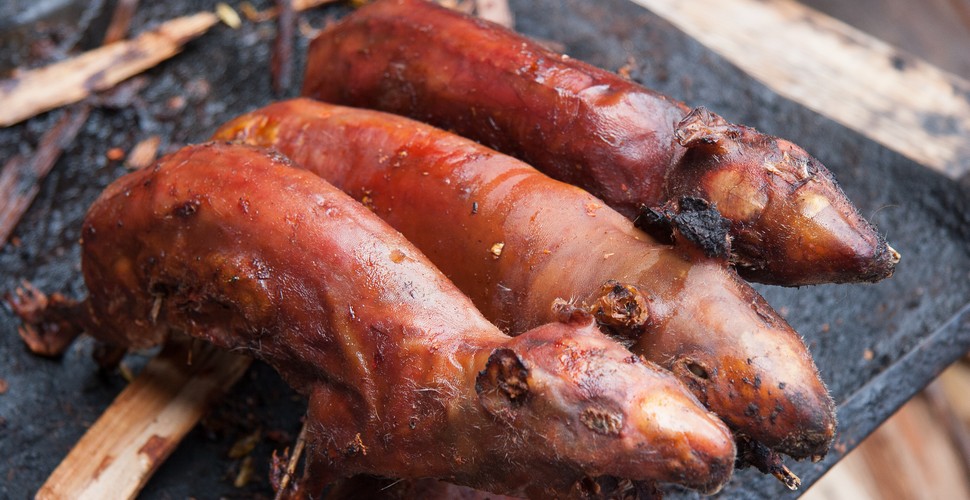
Barbe-Cuy
SHARE THIS POST
popular-posts-title