
 Aventure
 Cultural
 Gastronomy
 Wellness
 Local Living
 Luxury

The Pachamama Celebrations
Written by:Claire Dean
Last Update: 2026-07-08
The Pachamama celebrations are an important part of life in the Andean region. Understanding their significance helps travelers connect deeply with local communities and learn more about how they are celebrated. The Pachamama celebration, often known as the Pachamama festival in Peru, is a traditional Andean celebration that pays homage to Pachamama, the revered Mother Earth deity in Andean cosmology. This ancient ritual remains deeply rooted in the indigenous cultures of the Andes, particularly in Cusco, the former capital of the Inca Empire.
For travelers visiting Peru in August, the celebration offers an insight into Andean spirituality, local traditions, and the enduring relationship between communities and the natural world. Here, this article explores the significance of the Celebración de la Pachamama and how it continues to be observed today.
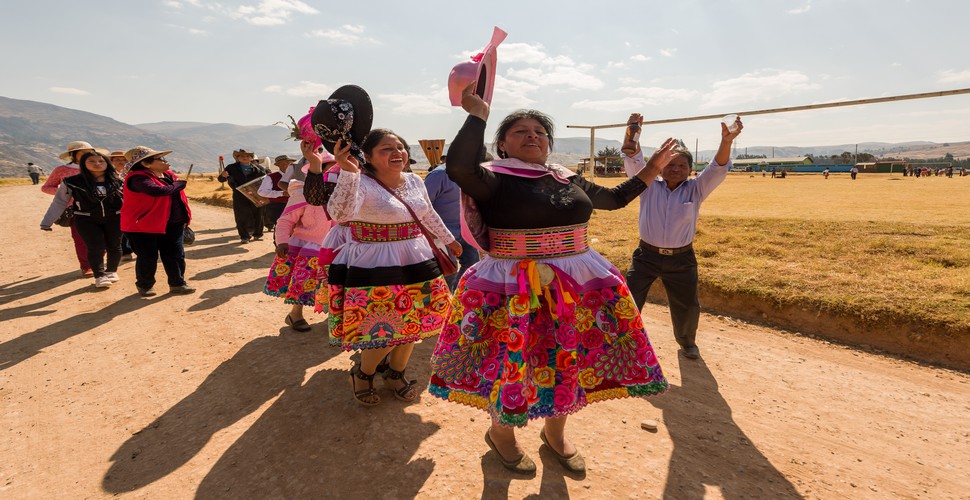
Pachamama Day In Huancayo
The Significance of Celebración de la Pachamama
In Andean cosmology, Pachamama holds immense importance as the nurturing and life-giving force of the Earth. She is believed to be the protector of crops, fertility, and all living beings. The Andean people consider themselves to be in a reciprocal relationship with Pachamama, where they must offer respect and gratitude to ensure harmony and abundance in their lives.
For those wondering what Pachamama celebration is, it is fundamentally an expression of gratitude to Mother Earth and recognition of humanity's dependence on nature. The concept of reciprocity, known in the Andes as ayni, remains central to these traditions.
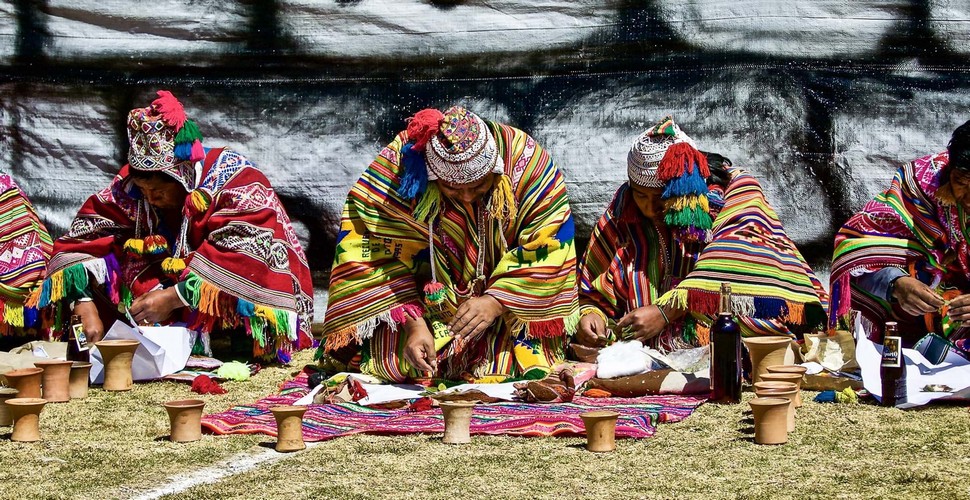
Paqos at work
Understanding the Meaning of Mother Earth
The Pachamama Celebration is a time for people to express their reverence for Mother Nature and give thanks for all the blessings she provides. It is also an occasion to seek forgiveness for any harm done to the Earth and to renew the commitment to live in harmony with nature.
Today, Pachamama is still honored throughout the Andean regions of Peru, Bolivia, Ecuador, Chile, and Argentina. In Peru, the most visible traditions of this tradition can be found in Cusco and other highland communities, where the spiritual connection to the land remains an important part of everyday life across Cusco and other Andean regions.
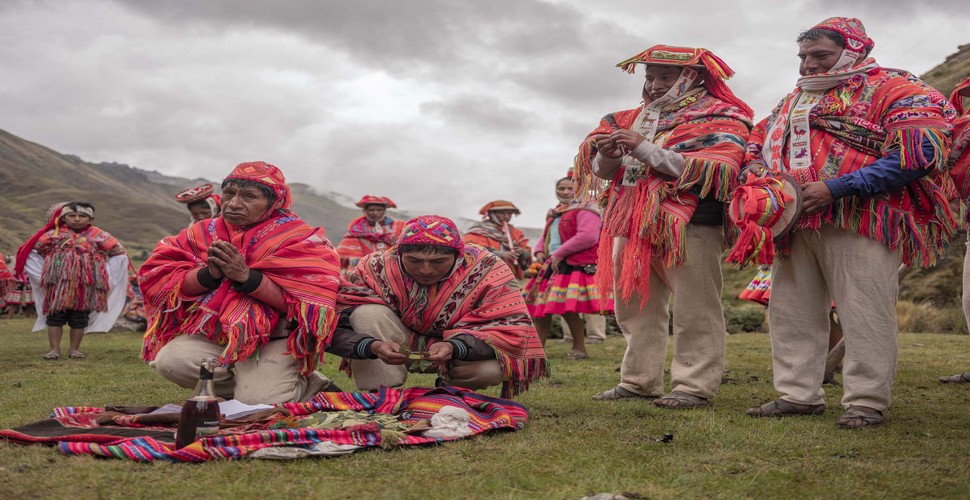
High Andean Community
The festivities often begin at dawn and continue throughout the day. Here are the main features of this important Andean celebration.
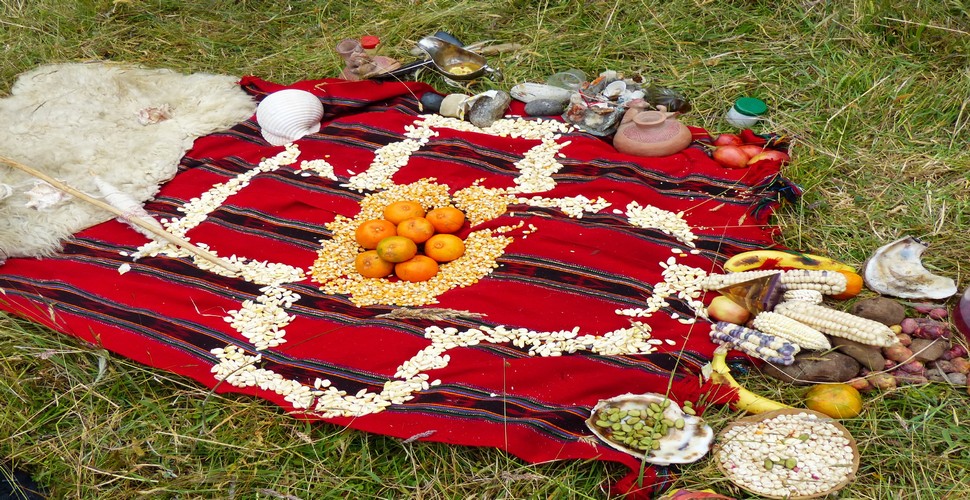
Sacred Valley, Pago a a Tierra
Offerings to Pachamama: The Pago a la Tierra
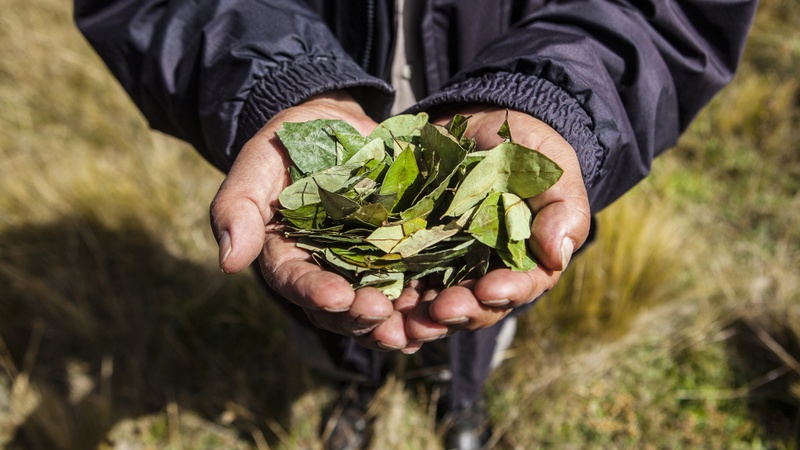
Central to the celebration are the offerings, known as pagos or despachos, made to Pachamama. These offerings typically include symbolic items such as coca leaves, colorful flowers, grains, sweets, seeds, and miniature figurines representing animals or personal wishes.
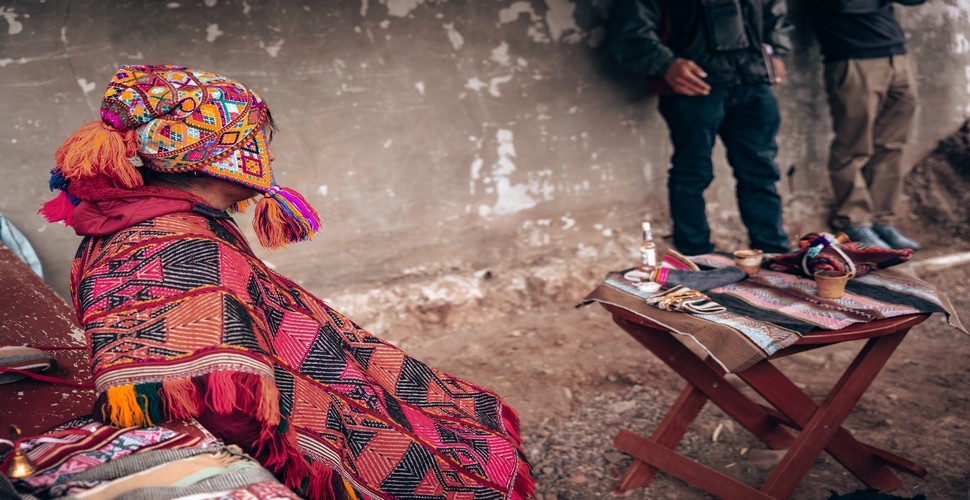
Andean Shaman
The ceremony is performed by spiritual leaders who lead participants through prayers and rituals. The pago a Pachamama ritual, is considered an act of gratitude and reciprocity, seeking blessings, protection, and abundance for the coming agricultural season.
Aunque el 1 de agosto es el día más importante, estas ceremonias también se realizan durante los períodos de siembra y cosecha a lo largo del año. La conexión entre las comunidades andinas y la tierra sigue siendo tan fuerte que las expresiones de gratitud a la Pachamama se extienden mucho más allá de una sola fecha.
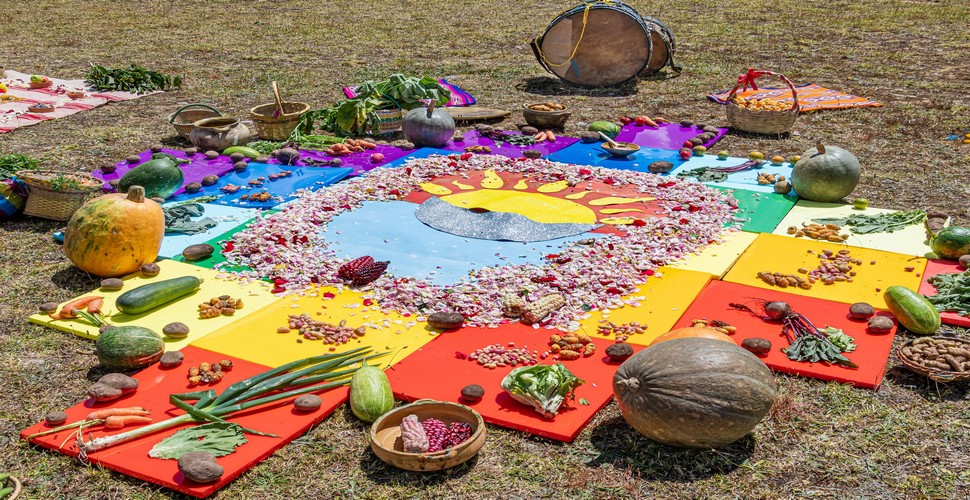
Chacana Despacho
Roles of Andean Spiritual Leaders
To understand these rituals, it helps to distinguish between the different spiritual guides who lead them. The table below outlines the traditional roles within the community:
| Spiritual Leader | Hierarchy Level | Primary Role in Rituals |
|---|---|---|
| Paqo | General Practitioner | Connects daily life with nature spirits and guides standard family offerings. |
| Pampamisayoq | Intermediate Leader | Specialized in land rituals, crop protection, and community pagos. |
| Altomisayoq | Highest Spiritual Level | Communicates directly with the Apus (sacred mountain spirits) for major events. |
Traditional Cleansing Rituals (Limpias)
Cleansing rituals are an integral part of the celebration. People participate in limpias, using elements such as water, flower petals, aromatic herbs, and smoke to cleanse negative energy and purify both body and spirit.
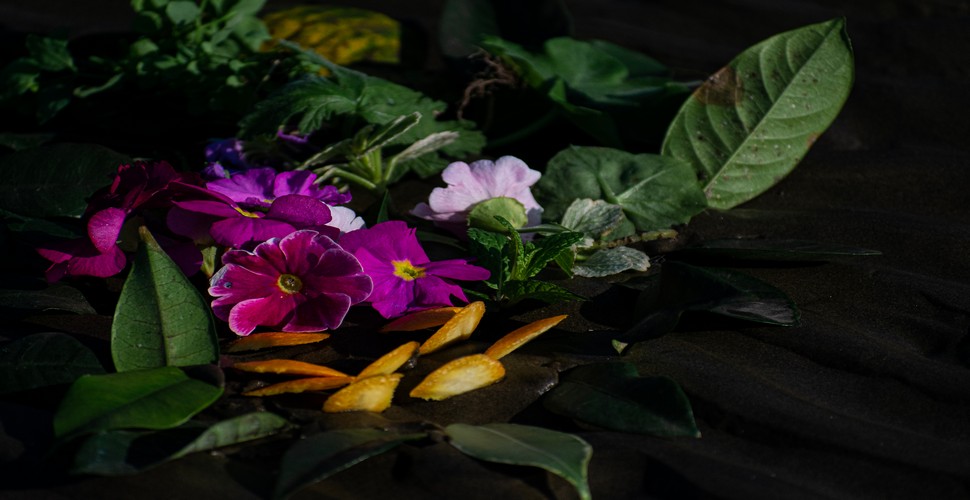
Cleansing Ritual
These Andean cleansing rituals reflect the belief that personal wellbeing, community harmony, and the health of the natural environment are interconnected.
Traditional Music and Dance in Cusco
Music and dance play a crucial role in the festivities. Traditional Andean instruments such as the panpipe, charango, and drums create a vibrant atmosphere during the celebration.
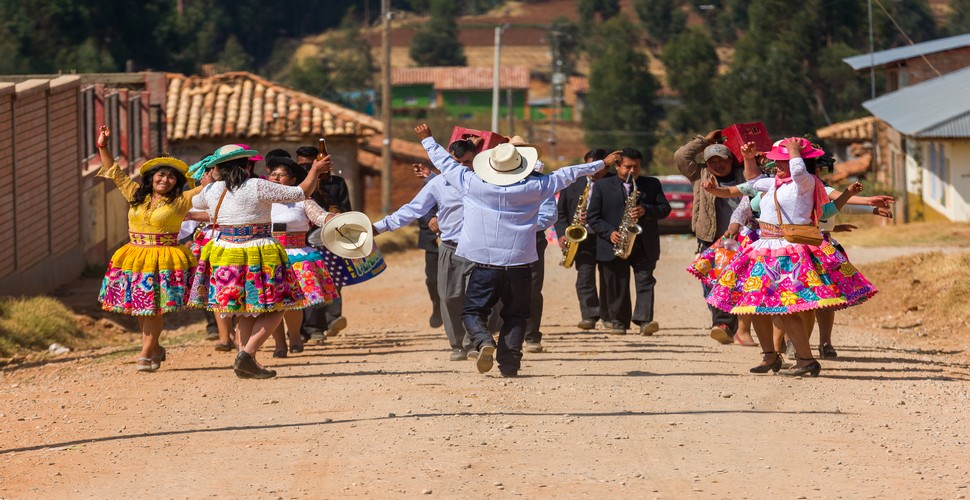
Dancing in The Streets
Communities gather to sing and dance in circles, reinforcing social bonds and expressing collective appreciation for Pachamama. For many visitors, these cultural performances provide a memorable introduction to living Andean traditions that continue to thrive in Cusco today.
The Pachamanca and Community Feasts
Following the rituals and ceremonies, a communal feast is shared among participants. The meal often consists of locally grown produce and traditional dishes, reinforcing the connection between people and the Earth's bounty.
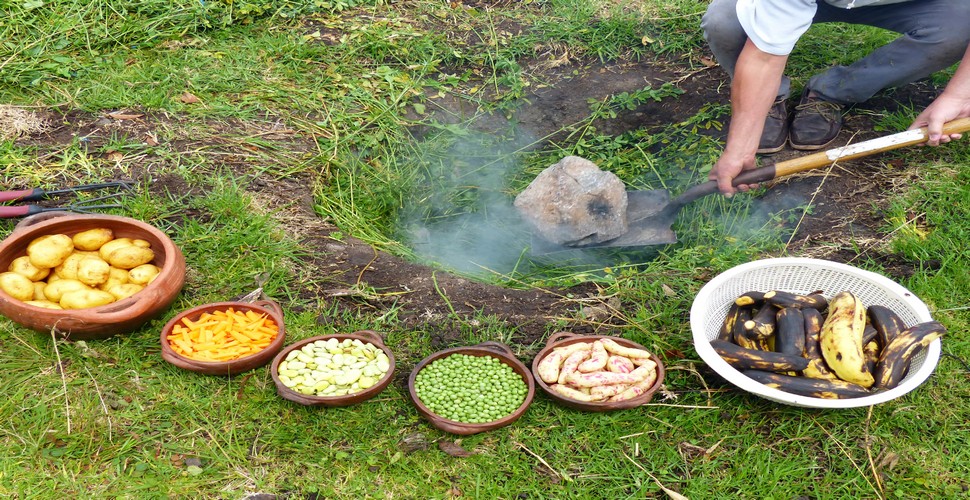
Pachamanca
Pachamanca, one of Peru’s most traditional dishes, is especially popular during these celebrations. The dish is prepared by cooking meats, potatoes, corn, and other ingredients underground using heated stones, a technique that dates back to pre-Columbian times. For travelers interested in Peruvian gastronomy, it offers a cultural experience beyond just tasting local food.
Conservation and Sustainability Awareness
The Pachamama Celebration has also taken on a broader meaning. Communities increasingly use the occasion to raise awareness about environmental conservation, sustainable agriculture, and responsible care of natural resources.
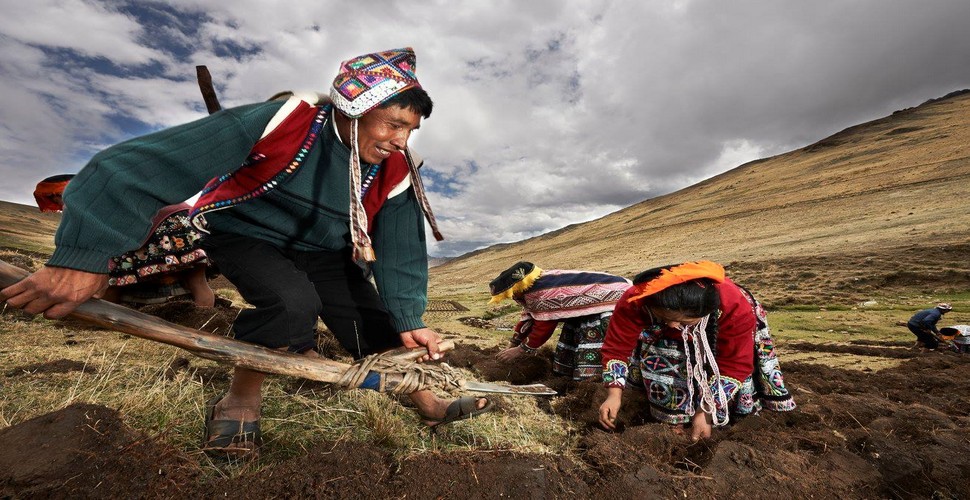
Potato Planting Season
The values reflected in the celebration align closely with modern sustainability efforts, reminding participants that caring for the Earth is a shared responsibility. This connection has also contributed to growing interest in sustainable tourism experiences centered around Andean culture and spirituality.
The Pachamama Celebration is more than a cultural event. It is a living tradition that reflects centuries of Andean knowledge, spirituality, and respect for nature. For travelers visiting Cusco in August, witnessing a Pachamama ceremony offers a deeper understanding of the values that continue to shape life in the Andes today.
If you are planning a trip to Peru, the month of August provides a unique opportunity to experience one of the country's most meaningful traditions alongside iconic destinations such as Machu Picchu and the Sacred Valley. Valencia Travel can help you discover authentic cultural experiences, private ceremonies, and carefully designed itineraries that connect you with the cultural heritage of the Andes while exploring Peru in a respectful and enriching way.
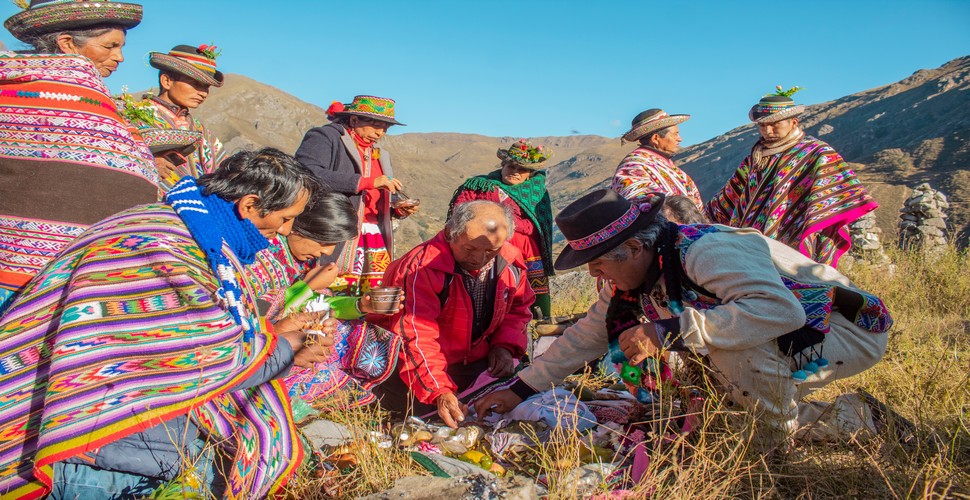
Andean Festivities
SHARE THIS POST
popular-posts-title