
 Aventure
 Cultural
 Gastronomy
 Wellness
 Local Living
 Luxury

Cusco Altitude Sickness: How to Avoid and Treat Soroche
Written by:Claire Dean
Last Update: 2026-07-13
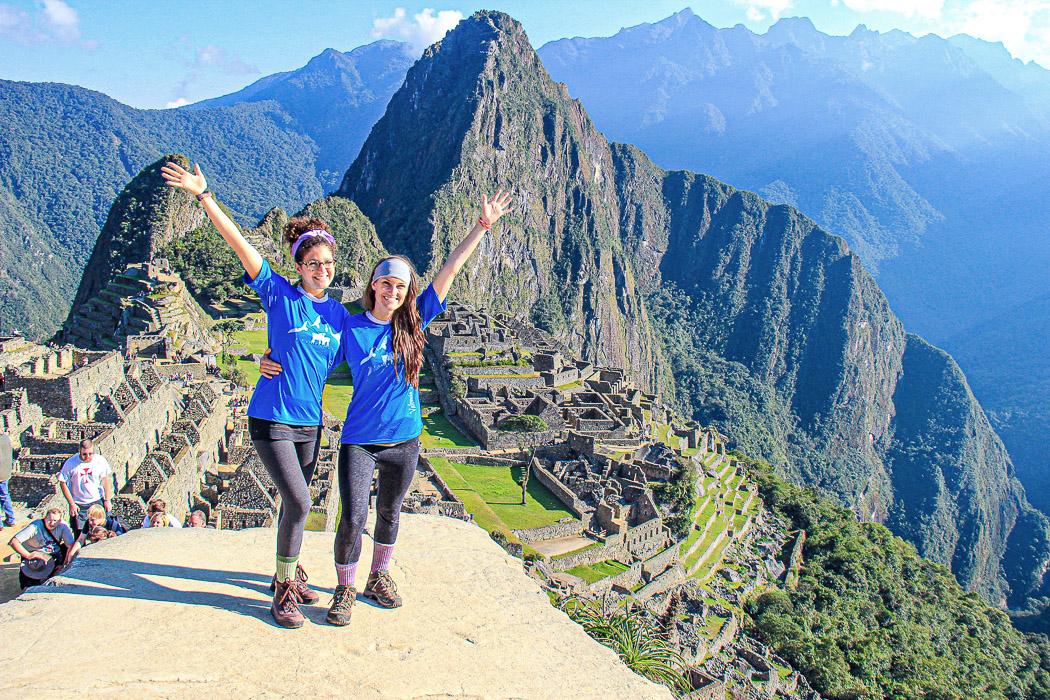
Welcome to Peru! Peru is home to one of the highest-elevation mountain ranges in the world; The Andes! Cusco, the capital of the Inca Empire, is located at 3,399 meters above sea level. Today it is the base to visit Machu Picchu and take part in some of the most remarkable epic treks in the world! Inadequate acclimatization or lack of preparation for the lack of oxygen is the only thing that can prevent you from enjoying your Peru trip. Don’t lose valuable travel days suffering from the high elevation and affecting your Peru vacation. Here are some valuable tips to prevent altitude sickness before your trip to Cusco or Puno (amongst other high-elevation regions) and how to adapt to the Cusco elevation for your vacation to Peru.
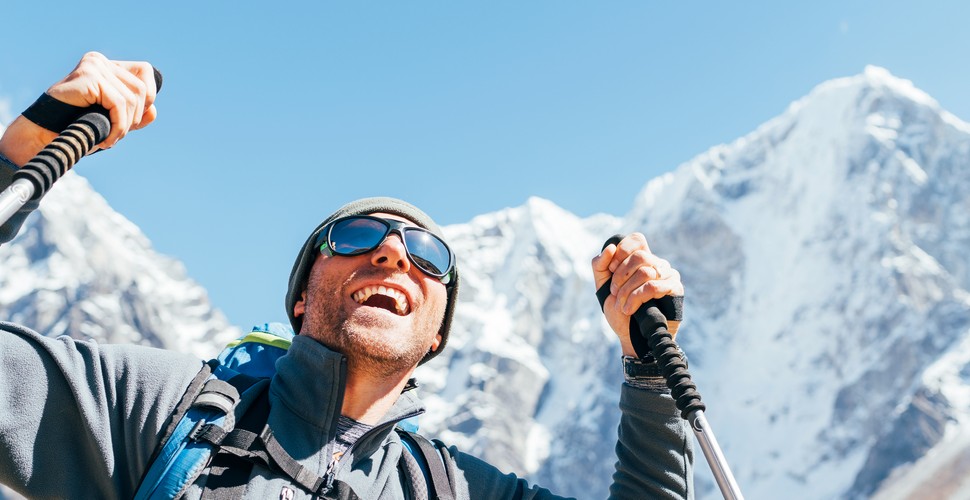
Trekking at Altitude
What Are the Symptoms of Altitude Sickness in Cusco?
Understanding how high altitude affects the human body is the first step in prevention. High altitude starts to affect our bodies from 1,500m - 2,000m (4921ft – 6561ft). Our bodies start to react differently to make up for the changes in oxygen levels. The quicker we gain elevation, the more drastic these differences will be. As you go higher the air pressure gets lower (the air gets ‘thinner’) so that for every breath there will be less oxygen for your body.
Your body gradually adapts to getting less oxygen, by breathing faster and deeper and the body produces more red blood cells. This change takes time as your body will adapt to the reduction of oxygen. This is why ascending from sea level too rapidly can trigger symptoms of high altitude sickness. Cusco is located at an altitude of 3,400 meters (11,200ft) and it is common for many visitors to experience some mild symptoms of altitude sickness in Cusco, or ‘soroche’ as it is known locally.
It’s hard to tell if you will be affected by altitude sickness as some people can be more susceptible than others regardless of age, sex, or physical condition. When visiting the historic region of Cusco, common mild symptoms of altitude sickness may include:
- Headache
- Nausea
- Vomiting
- Fatigue
- Poor appetite
- Dizziness
- Disturbed sleep
- Shortness of breath
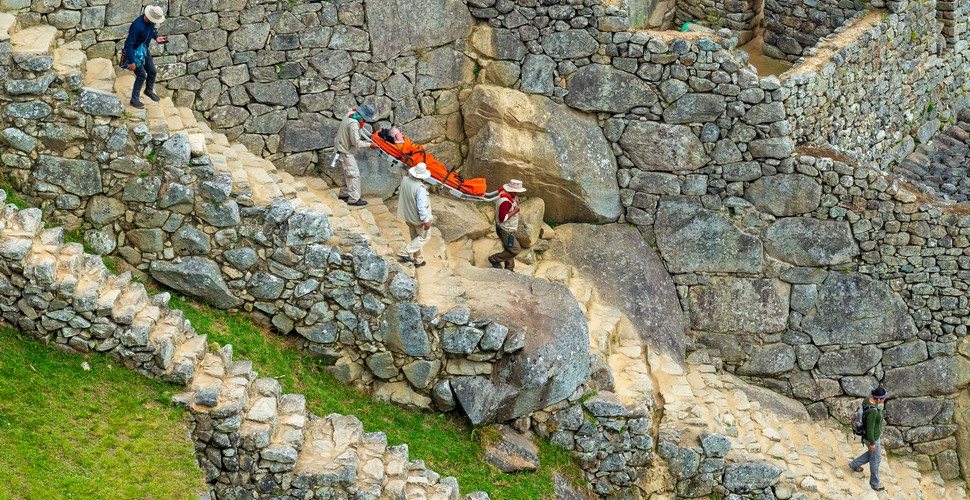
Evacuation from Machu Picchu
How Long Does Altitude Sickness Last in Peru?
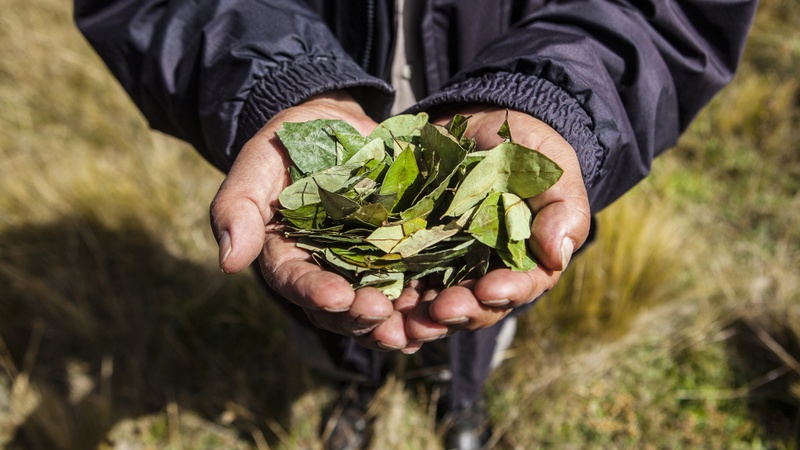
Mild altitude sickness should not interfere too much with your normal activity on your Peru trip. Symptoms are usually felt within 12 - 24 hours of arrival and tend to subside within 3 days. If you continue to feel unwell, request that your hotel arrange for a physician, as more severe reactions may require medical attention. Many hotels in Cusco provide coca tea or ‘mate de coca’ to guests and they also have oxygen available to help you acclimatize.
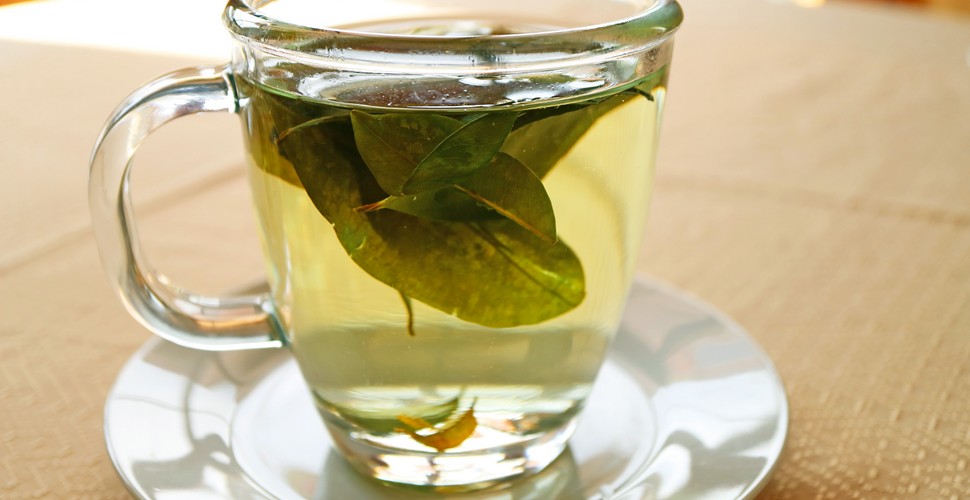
Mate de Coca
What Happens if Altitude Sickness in Cusco Gets Worse?
If you are wondering when to worry about your condition, pay close attention to extreme breathlessness even while resting, a persistent cough, or severe confusion. Should I go to the hospital for Cusco altitude sickness if symptoms become severe? Yes, immediate medical evaluation or descending to a lower altitude like the Sacred Valley (or adjusting your plans to a lighter option like the Short Inca Trail to Machu Picchu) is necessary if you experience acute respiratory distress or inability to walk in a straight line.
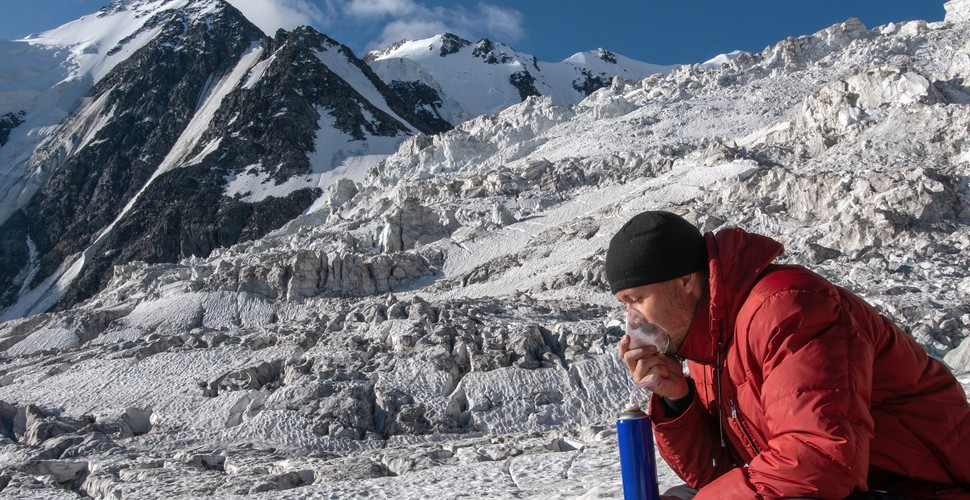
OxyShot
Cusco Altitude Sickness: How to Avoid It on Your First Day
Relax and take it easy! Your primary objective on your first day in Cusco should be rest, which involves relaxing in your hotel room, walking slowly, and avoiding any heavy lifting. Take a few days at the start of your trip to acclimatize to the altitude before attempting any Classic Inca Trail treks or strenuous activity. This is the best advice we can share, take it easy for the first few days and your body will thank you later.
Avoid alcohol and drugs. This includes sleeping tablets and tranquilizers as these can all make symptoms worse. Even a single Pisco Sour cocktail can exacerbate dehydration, leading to a severe headache and nausea which is quite unpleasant. So leave the Pisco sours until after your trek or when you are better acclimatized.
Proper Hydration and What to Eat When You Have Altitude Sickness Peru
Drink lots of water. Knowing how much water to drink when having Cusco altitude sickness is essential; we recommend keeping a steady intake of 3 to 4 liters of water per day to replace fluids lost through rapid breathing. Additionally, opt for light meals rich in carbohydrates, such as quinoa soups or rice, while avoiding heavy fats that slow down digestion at high elevations across various destinations.
Walk High, Sleep Low: Go Lower to Acclimatize
Head straight to the lower altitude of the Sacred Valley or Machu Picchu. Believe it or not, Cusco is at an altitude of 3400m (11,154ft) so heading to Pisac or Urubamba at 2,900m (9,514ft) or Machu Picchu at 2,400m (7,874ft) can make a huge difference. After a few days, you can then make your way back up to Cusco and will feel a lot better. The classic mountaineering principle of "climb high, sleep low" involves ascending during day hikes but returning to lower base heights to rest at night.
Cusco Altitude Sickness Remedies and Tips
When tackling the elevation, travelers often compare traditional options with modern medicine to find what is the best remedy for Cusco altitude sickness soroche. Here is a clear overview of the most common alternatives available:
| Remedy Type | Key Features | Main Advantages | Considerations |
|---|---|---|---|
| Coca Tea (Mate de Coca) | Natural herbal infusion made from whole coca leaves. | Safe, traditional, widely available in hotels, acts as a mild stimulant. | Avoid drinking large amounts late at night due to caffeine-like effects. |
| Sorojchi Pills | Over-the-counter local medication containing aspirin and caffeine. | Blocks headaches quickly, increases blood flow, easy to buy in Peru. | Check components if you are sensitive to caffeine or aspirin. |
| Diamox (Acetazolamide) | Prescription medication that accelerates acclimatization. | Preventative medical treatment backed by clinical travel guidelines. | Requires a prior doctor's consultation; may cause mild tingling. |
Is Mate de Coca Really Effective for Cusco Altitude Sickness?
Nearly every hotel in Cusco and the Sacred Valley offers fresh coca tea to guests and for a good reason too! Coca tea is completely safe to drink and a cup or two each day can ease altitude symptoms. When looking at coca leaves vs coca tea altitude sickness benefits, chewing the raw leaves directly provides a faster release of alkaloids, but drinking the hot tea is usually more palatable for international visitors. Just remember coca is a mild stimulant, so avoid overconsumption, particularly late in the evening. 2-3 cups for the first few days will be just fine.
Can I Buy an Oxishot Tube for Altitude Sickness in a Cusco Pharmacy?
Yes, you can easily purchase these personal oxygen canisters. Oxishot is a small cylinder that contains 8 liters of oxygen that you can take when you arrive in Cusco and anytime you need a boost. It can help reduce headaches and fatigue associated with altitude sickness. They are on sale in pharmacies everywhere in Cusco and Machu Picchu and cost approximately S/.45 (Approx. US$16).
Altitude Sickness Pills Before Traveling to Peru: Medical Options
Visit your Doctor or Travel Clinic. Altitude sickness can be a very serious illness so before traveling to Cusco consult your doctor particularly if you have a heart, lung, or other severe health problem, as not all people can travel to Cusco or the Sacred Valley due to the altitude. However, do bear in mind that almost three million people from all over the world visit Cusco and Machu Picchu each year with only a small percentage suffering from altitude sickness.
For those planning their arrival, an acetazolamide prescription (brand name Diamox) can effectively prevent symptoms of altitude sickness by helping your body adjust its pH balance. Some people can experience side effects from this medication including tingling in the hands, feet, and face, so check with your doctor before use to see if these are better than local remedies for your specific physical profile.

Diamox
The Different Altitudes in Peru
Peru is a mountainous country with a variety of altitudes. The Andes run through the backbone of the country with the coastal area on one side and the jungle area on the other. Much of the country has a certain level of elevation depending on where it is located geographically yet many regions that have archaeological and historical interest are found in The Andes at elevation. Here is a rundown of the main places and the altitude that you are likely to visit on your Peru vacation packages.
-
Cusco: 3,399 meters (11,150 ft)
-
Sacred Valley: 2,870 meters (9,416 ft)
-
Machu Picchu: 2,430 meters (7,970 ft)
-
Arequipa: 2,325 meters (7,628 ft)
-
Colca Canyon: 3,633 meters (11,919 ft)
-
Puno / Lake Titicaca: 3,812 meters (12,506 ft)
-
Huaraz: 3,052 meters (10,013 ft)
-
Cordillera Blanca: 6,768 meters (22,205 ft)
The average elevation in Peru is 1,550 meters (5,102 ft), which is behind Chile with the highest average elevation in South America. The highest altitude in Peru is 22,205 feet (6,768 meters) above sea level, at the summit of Huascarán Mountain in the Cordillera Blanca. Huascarán is Peru's highest mountain and South America's fifth-highest mountain.
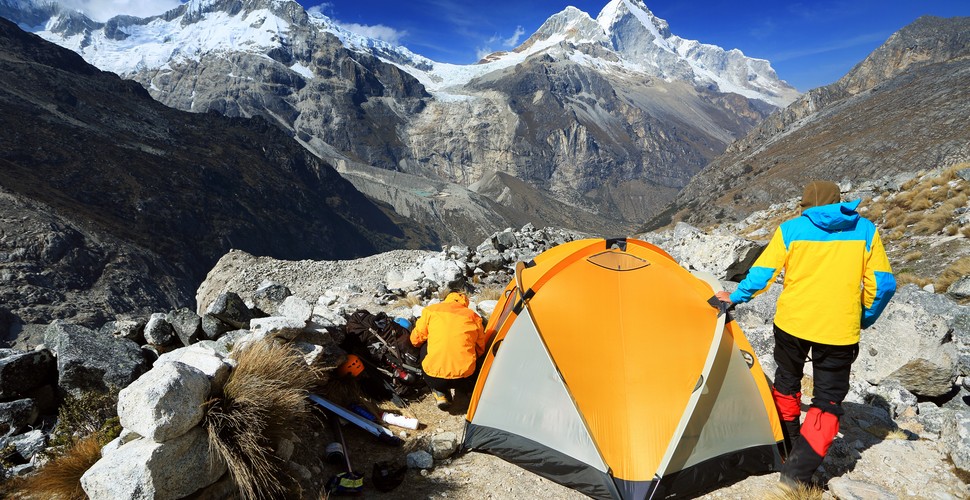
Campsite in Huascaran National Park
Please ask us here if you are worried about the altitude on your vacation and bear in mind that our itineraries are carefully designed to avoid drastic elevation changes. Please remember if you are planning a trek at a high elevation we recommend at least 2 days of acclimatization prior to the trek, and 3 days if your trek is at a particularly high elevation, such as The Ausangate Trek.
At Valencia Travel, we carefully design our itineraries to ensure a gradual acclimatization process, allowing you to experience the historic heritage and spectacular cultural highlights of Cusco and Machu Picchu with total peace of mind. Happy and safe travels!
SHARE THIS POST
popular-posts-title