
 Aventure
 Cultural
 Gastronomy
 Wellness
 Local Living
 Luxury

Peruvian Potatoes: A Guide to Native Varieties and Dishes
Written by:Claire Dean
Last Update: 2026-07-18
Peru is the geographical birthplace of the potato. The majority of native varieties originated high in the Andean region, thousands of metres above sea level. Today, while this vegetable is a global staple, it remains a cornerstone of traditional Peruvian cuisine and daily nutrition. For thousands of years, high-altitude communities have cultivated these tubers. Understanding their history and diverse uses offers an authentic insight into the culinary heritage you will experience when exploring the country.
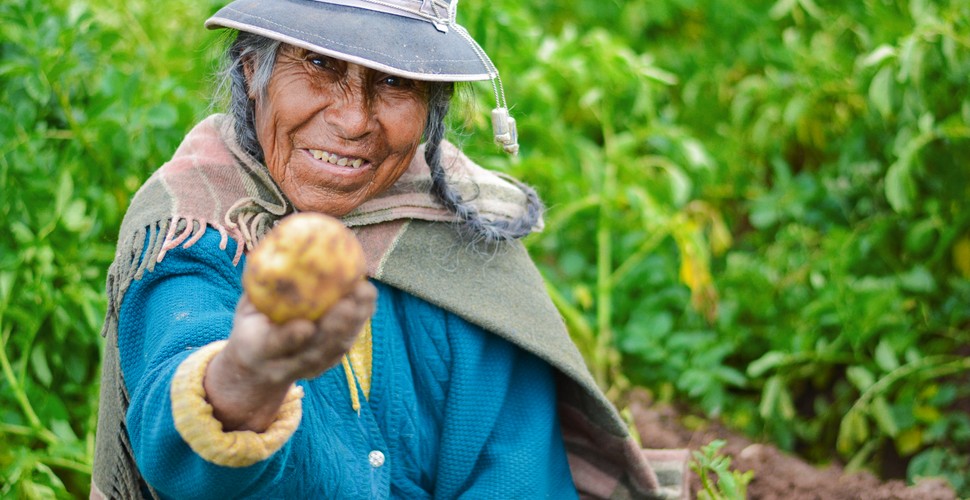
Potato picking in The Andes
Where Did the Potato Originate?
The potato is estimated to be over 10,000 years old, tracking its origins back to the shores of Lake Titicaca. Located in southern Peru, this is the highest navigable lake in the world. The Incas were the first civilization to systematically domesticate and farm these native crops. To secure their food supply against unpredictable Andean frosts, they developed sophisticated agricultural techniques. They managed to preserve certain varieties for up to 15 years through natural dehydration, creating a product known as chuño. This ancient food remains widely available in local Cusco markets today. The Incas integrated these tubers into nearly every aspect of their daily diet, establishing them as the foundation of regional cuisine.
What is Chuño and How is it Made?
Chuño is a freeze-dried potato produced through an ancient preservation method. Farmers expose native tubers to freezing night temperatures in the Andes, followed by intense daytime sun. The moisture is then extracted by treading on them. This process creates a lightweight, durable food source that supported the Inca empire during periods of crop failure. For those exploring the depths of local history, understanding these techniques is a highlight when visiting the Sacred Valley.
The Main Source of Food for the Inca Armies
The potato quickly became the primary rations for the Inca armies. This reliable carbohydrate allowed soldiers to sustain long marches and expand their territory across South America. Beyond nutrition, the potato held an essential place in the daily life and worldview of the Inca civilization. Local communities utilized these versatile tubers for various practical and medicinal purposes: therapeutic treatments (soothing burns), time measurement, childbirth support, and agricultural forecasting.
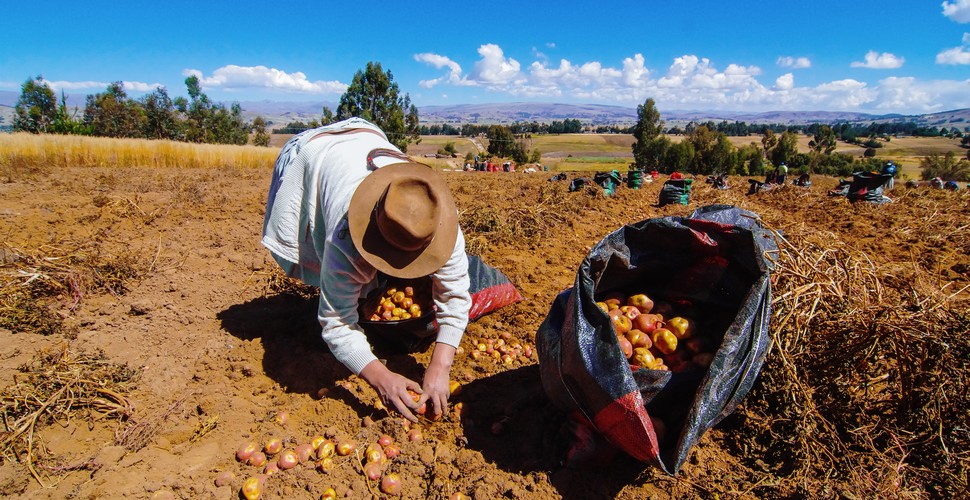
Potato crop in The Sacred Valley
This crop reached Europe in the 16th century following the Spanish arrival in South America. While the conquistadors initially sought Inca gold and silver, the introduction of the potato proved to be a highly significant discovery for global agriculture. During long sea voyages back to Europe, the high vitamin C content of the tuber helped sailors prevent scurvy. By 1589, Sir Walter Raleigh introduced the crop to Ireland near Cork. During the 1700s, potato farming expanded rapidly across Europe because the plant could withstand harsh winters and poor soils, eventually becoming a global dietary staple.
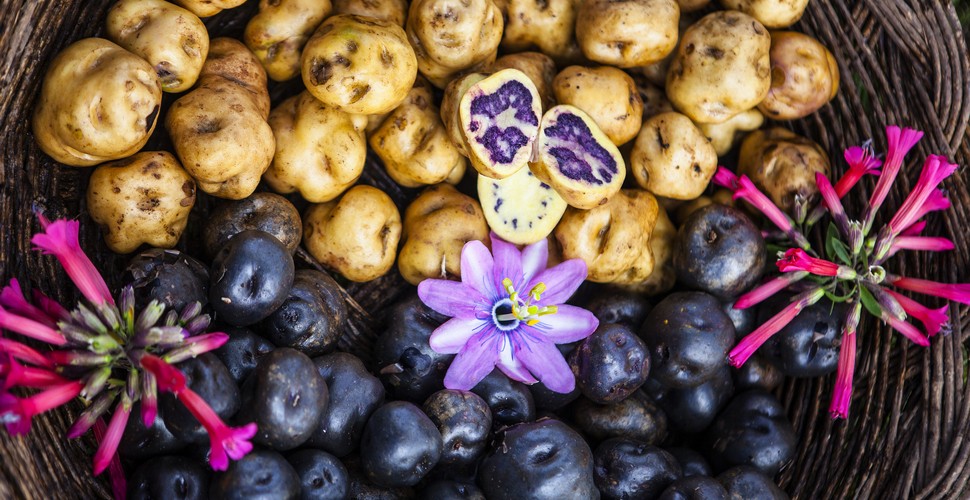
Andean gifts of mother nature
It was a few decades later that the humble tuber solidified its place in history. The potato became an important food product that we know and love today and is exported worldwide, linking the ancient traditions of the Andes to modern global kitchens.
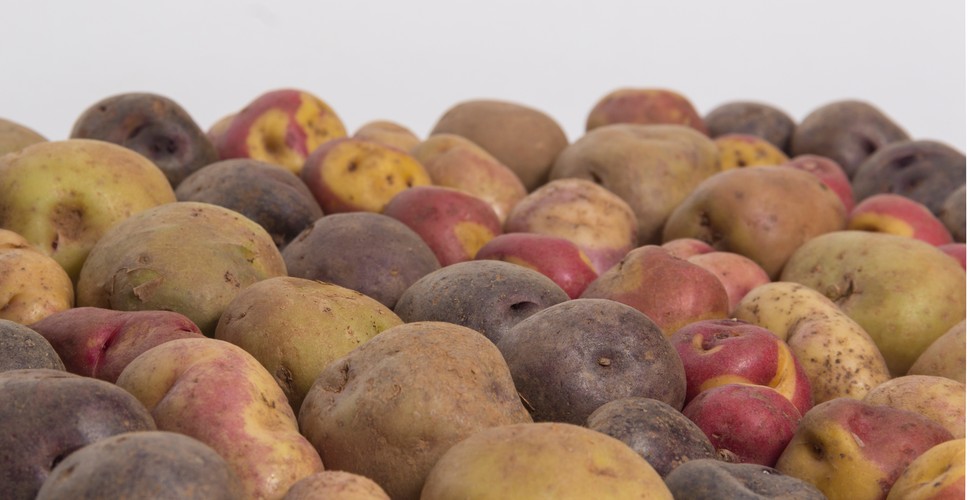
Potato export
How Many Varieties of Potatoes Does Peru Have?
Today, Peru possesses more than 4,000 native potato varieties, primarily cultivated by smallholders in the high altitudes of the Andean region. They display a remarkable spectrum of shapes and vibrant colours.
| Variedad | Región Principal | Uso Culinario | Perfil Nutricional |
|---|---|---|---|
| Papa Amarilla | Huánuco, Junín, Cusco | Puré, Causa | Alta en carotenoides y Vit. C |
| Huamantanga | Lima, Huancavelica | Guisos, Hornear | Hierro, Zinc, Fibra |
| Papa Purpura | Puno, Cusco | Asados | Antioxidantes (Antocianinas) |
| Peruanita | Apurímac, Ayacucho | Rostizado | Potasio y Vit. B6 |
| Papa Canchán | Huánuco, Pasco, Lima | Papa Rellena, Hervida | Carbohidratos complejos |
| Papa Huayro | Junín, Huancavelica, Ayacucho | Pachamanca, Salsas | Minerales (Hierro, Fósforo) |
Visiting any traditional market in Cusco or Lima allows you to observe these diverse varieties on display. Local vendors will readily explain which specific type suits each traditional recipe. The cultural significance of this vegetable is so profound that Peru; celebrates its National Potato Day every year on the 30th of May.
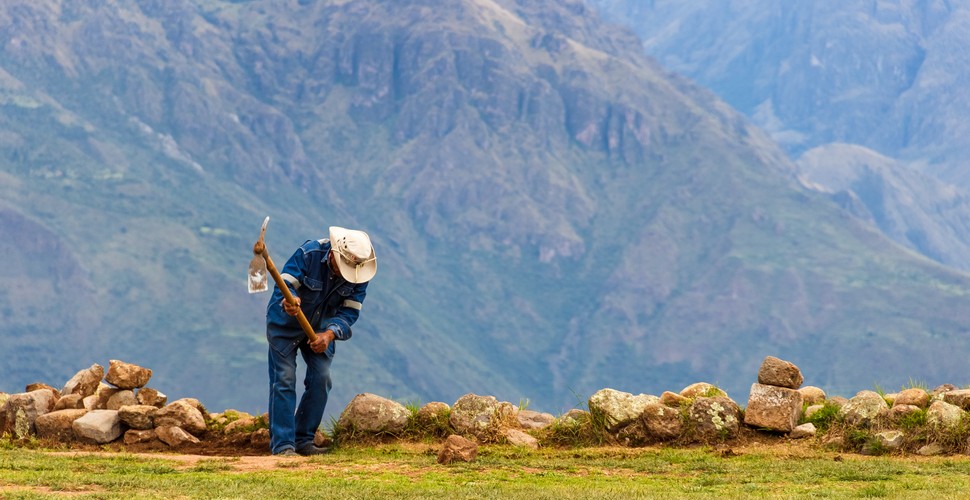
Sacred Valley Farmer
Why is Peru Famous for Potatoes?
To Peruvians, this tuber represents far more than a simple agricultural commodity. It is an essential element of Andean culture and social customs. In traditional communities, rare varieties are still used as currency or exchanged as wedding gifts. Because citrus fruits do not grow at high altitudes, these tubers serve as an essential source of vitamins and antioxidants for mountain inhabitants in the higher altitude regions.
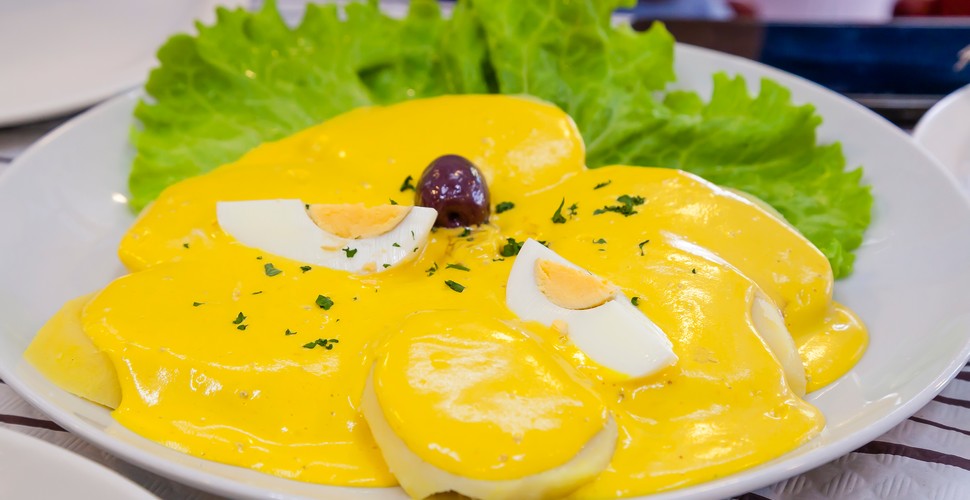
Papa a la Huancaina
What Are the Most Popular Peruvian Potato Dishes?
Traditional cuisine showcases the versatility of native tubers through distinct regional recipes. When visiting the country, look for these classic preparations on local menus:
Causa Rellena
This cold layered dish is crafted from finely mashed yellow potatoes, traditionally the Papa Amarilla variety, seasoned with lime juice and mild yellow aji pepper. The smooth potato mixture creates a delicate base for fillings such as shredded chicken or tuna mixed with a light mayonnaise.
Papa Rellena
A traditional croquette that highlights the historical influence of North African and Spanish flavors in Andean cooking. The exterior consists of a seasoned potato dough that is meticulously shaped around a savory filling of minced beef, hard-boiled eggs, raisins, and local olives.
Lomo Saltado
This dish represents a highly celebrated culinary fusion, combining traditional Peruvian ingredients with Chinese Cantonese stir-fry techniques. Strips of tender beef tenderloin are seared at high heat in a wok alongside red onions, fresh tomatoes, and green peppers, tossed with crispy, thick-cut potato wedges.
Pastel de Papa
Unlike the meat-heavy potato pies found in European cuisine, this traditional dish from the southern region of Arequipa is entirely savory and layered. It features thin, tender slices of native potatoes baked in an egg and milk custard that is generously seasoned with fresh local cheese and aromatic anise seeds.
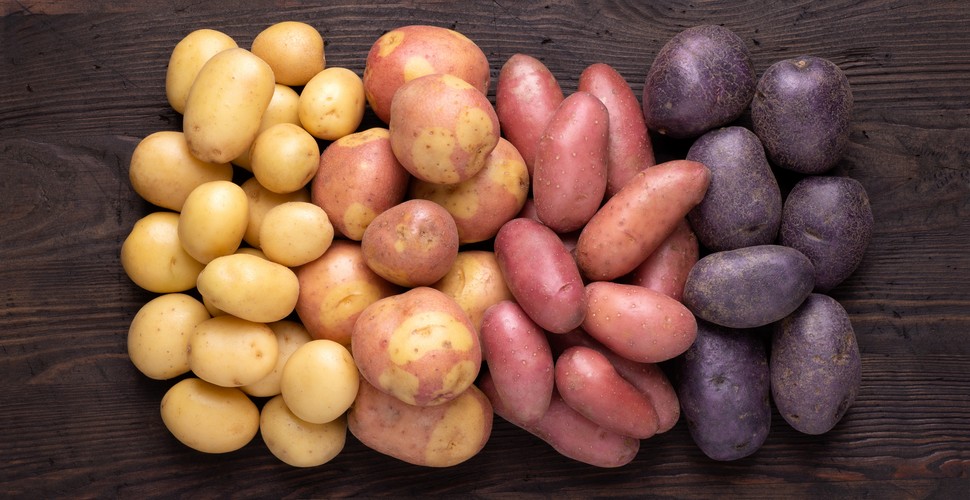
The wonderful spud
Discover the Flavours of the Andes
Savouring these native ingredients offers a direct connection to the living history of the Andes. At Valencia Travel, we design curated, private itineraries that introduce you to the authentic cultural and culinary traditions of Peru. Contact our travel specialists to plan a tailored journey through Cusco, the Sacred Valley, and Machu Picchu.
SHARE THIS POST
Popular Posts