
 Aventure
 Cultural
 Gastronomy
 Wellness
 Local Living
 Luxury

Safety Tips for Travelers: Is Cusco, Peru, Safe to Visit?
Written by:Claire Dean
Last Update: 2026-07-07
Cusco is a fascinating city and one of the most visited destinations in South America. As a UNESCO World Heritage Site, it attracts thousands of travelers every year who come to experience its Inca history, colonial architecture, vibrant traditions, and easy access to Machu Picchu. Many visitors planning a Peru trip ask the same question: is Cusco Peru safe to visit in Peru? The good news is that Cusco is generally considered safe for tourists, including solo travelers and solo female travelers, provided they follow common-sense precautions. Understanding local conditions, transportation, food safety, altitude, and how to avoid petty crime will help you enjoy the city with confidence while making the most of your time in the former capital of the Inca Empire.
Cusco
Is Cusco Safe for Tourists?
Tourism is the main source of income for Cusco, and this is one reason why Cusco is generally considered safe for tourists visiting Peru. The city draws hundreds of thousands of international visitors annually to explore the pre-Inca and colonial sites. Local authorities maintain a visible security presence to ensure traveler safety. However, petty crime in tourist areas does occur. Therefore, travelers must always protect their personal belongings. Certain areas of the city, such as around the San Pedro Market, are more prone than others. Exercise basic awareness while exploring the historic center. Like any major global destination, opportunistic crime can affect both locals and visitors alike. Taxis and public transportation are not always reliable. The good news is that there is a high police presence and security cameras throughout the historic center. Exploring Cusco’s historic center, including local art galleries and cultural spots such as the Museo de Arte Precolombino, Cusco Cathedral, the Regional History Museum (in the house of Inca Garcilaso de la Vega), or the Museum of Religious Art, is on the whole secure. Visitors generally find the area safe during the day, but it’s always wise to stay alert and avoid isolated streets at night. When night falls, the historic center remains generally secure, though avoiding isolated streets and using licensed transportation remains the best approach.
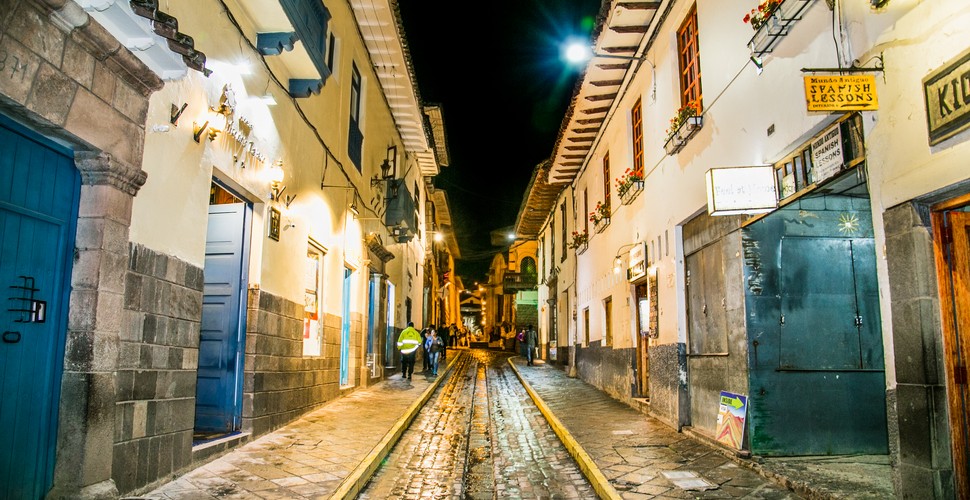
Cuzco Peru!
Crime in Cusco, Peru: What Travelers Should Know
The risk of being pickpocketed in Cusco is generally higher in locations frequented by tourists. Crime in Cusco Peru is usually limited to opportunistic theft and pickpocketing, especially in busy areas such as markets, transportation hubs, festivals, and crowded public spaces. Pay special attention when withdrawing cash from ATMs, since thieves are often looking for easy opportunities. If confronted during a robbery, prioritizing your personal safety is always more important than protecting valuables. Fortunately, street crime is rarely violent and is usually opportunistic. Never leave your belongings unattended and avoid displaying expensive phones, cameras, jewelry, or large amounts of cash. These simple precautions can significantly reduce your chances of becoming a target. In busy areas, try not to carry unnecessary valuables and wear your daypack in front of you. Avoid keeping important items in easily accessible pockets and consider using an internal money belt for passports, cards, and emergency cash.
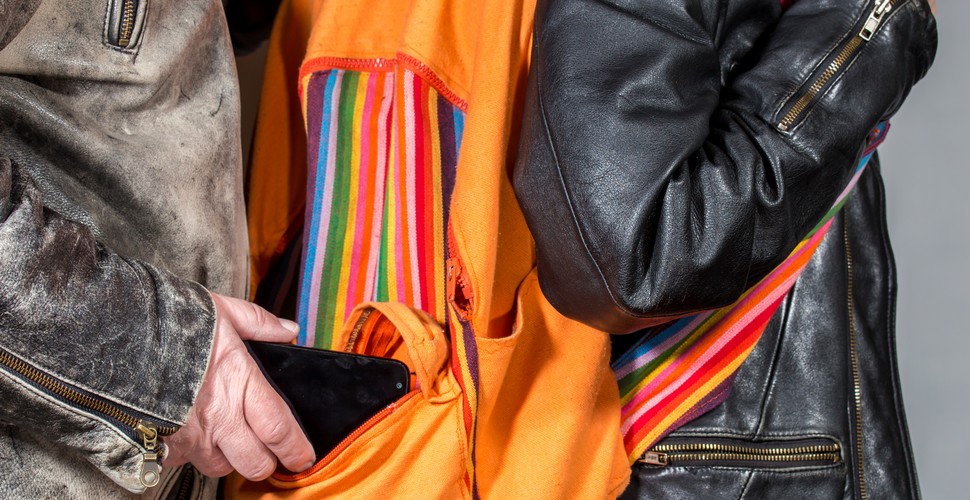
Pickpocket
Natural Disasters and Weather Risks in Cusco
Cusco is prone to various natural hazards, including flooding and landslides, following heavy seasonal rainfall. The rainy season in Cusco generally runs from December through March, making it a less predictable time for outdoor activities and travel logistics. While the city itself is not usually severely affected, the surrounding countryside and rural regions can experience overflowing rivers, mudslides, road closures, and localized flooding. Travelers planning to visit Machu Picchu, the Sacred Valley, or trekking routes should pay particular attention to weather forecasts during these months. Peru is also located within an active seismic zone. Although major earthquakes are uncommon, travelers should familiarize themselves with local emergency procedures and always follow the advice of authorities and tour operators.
Protests and Travel Disruptions in Cusco
Like many countries, Peru occasionally experiences demonstrations, strikes, and public protests. In Cusco, these events are generally related to political, social, or economic issues rather than concerns involving visitors. Most demonstrations are peaceful and are not directed at tourists. However, they can affect transportation networks, including roads, trains, and bus services. Travel disruptions are usually a greater concern than personal safety risks. While Peru has experienced periods of internal conflict in the past, the best of Peru travel experiences show that minor logistical delays are much more common than actual safety concerns caused by demonstrations. Remnants of the Shining Path terrorist group are active in the Cusco region, meaning internal terrorism is theoretically possible. When it comes to global terrorism risk, attacks in Peru cannot be predicted, so watch out for any suspicious activity. Staying informed through local news and official travel advisories can help you avoid inconvenience. For this reason, many travelers prefer to book services with a reputable local operator. Experienced guides and travel specialists can monitor changing conditions, adjust itineraries when necessary, and help minimize disruptions during your trip.
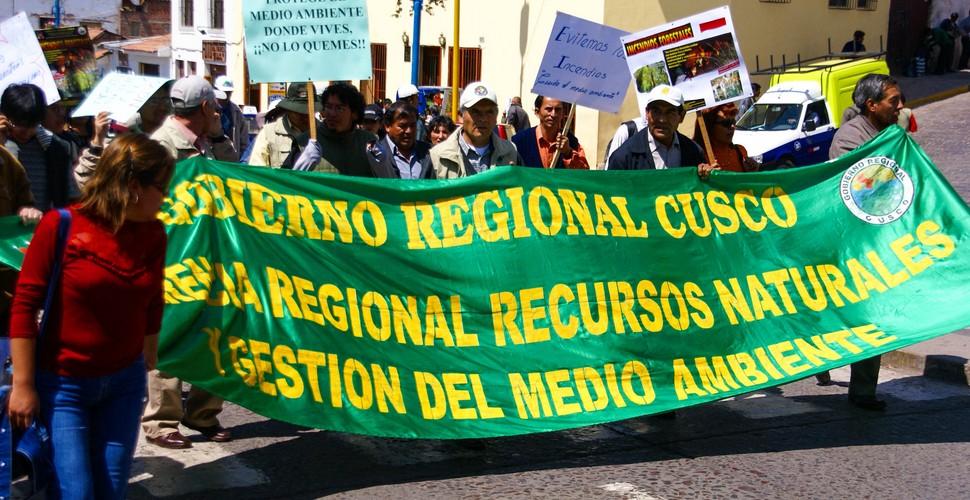
Cusco Protest
Are Taxis Safe in Cusco?
Taxi drivers are among the most common sources of travel-related scams because some may try to take advantage of visitors unfamiliar with local prices. Pay attention to the agreed fare before starting your journey and avoid accepting rides from unofficial drivers. Tourists have occasionally been targeted by bogus taxi drivers, and incidents have been reported involving unauthorized taxis operating near the Cusco airport. For this reason, it is always advisable to arrange transportation through your hotel, a trusted tour operator, or an authorized taxi service. Most taxis in Cusco are safe, but there are some unofficial operators where travelers have experienced problems. Always use one of the recognized companies or ask your accommodation for recommendations. If you decide to drive in Cusco, keep in mind that local driving standards can differ significantly from those in North America or Europe. Road conditions vary, and bus accidents are more common on long-distance routes, especially at night. If you are staying in Cusco for an extended period, combis (local minibuses) are an affordable and widely used means of transportation. However, as with any crowded public transport system, pickpockets may occasionally operate on these routes. Choosing authorized hotel or operator-vetted transport ensures a seamless experience, particularly if you arrive late at night or are visiting for the first time.
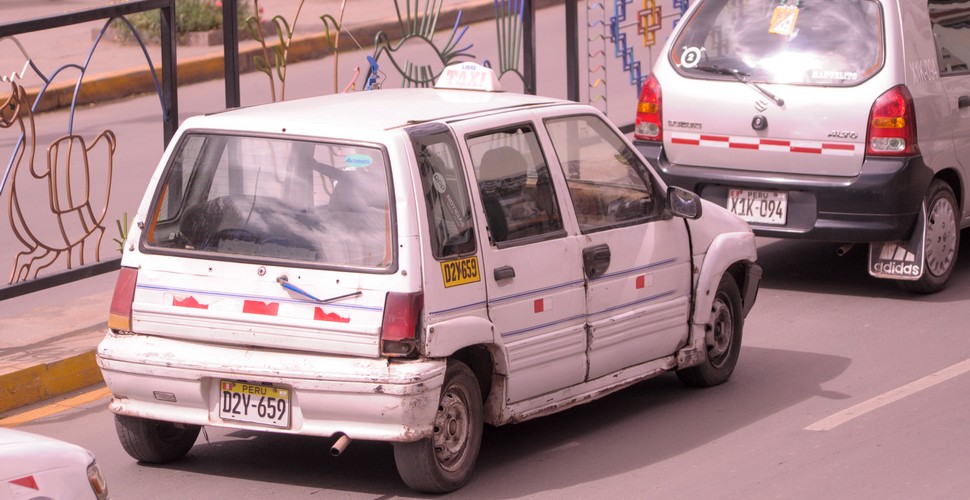
Unofficial Cusco Taxi
Is It Safe to Walk Around Cusco at Night?
Cusco is not considered a dangerous city, but opportunistic crimes such as muggings and theft can occur, particularly when travelers become distracted or venture into isolated areas. Pay attention to people attempting to sell items on the street and keep an eye on your belongings. Pickpockets often work in teams, with one person distracting you while another targets pockets, bags, or backpacks. Use only licensed taxis and avoid large crowds gathered around major attractions when possible. Cusco is a tourism-focused city, and many local businesses depend directly on visitors. Crime against tourists is generally frowned upon, but that does not mean incidents never happen. Following the same precautions you would use in any major travel destination is usually enough. For travelers asking, "Is it safe to walk alone in Cusco at night?", the answer is generally yes in the busiest tourist areas, provided you remain aware of your surroundings and avoid poorly lit or isolated streets. Stick to the Plaza de Armas and San Blas neighborhoods after dark, and you should not have any issues. These districts are widely considered among the safest neighborhoods in Cusco and are often recommended as some of the best safe areas to stay in Cusco for first-time visitors. Avoid walking alone late at night in areas away from the main tourist zones. Unlike some larger cities in Peru, Cusco’s historic center generally feels comfortable for visitors, but caution is still advisable. Keep valuables secure, leave passports and unnecessary items in your hotel, avoid displaying expensive cameras, and use a licensed taxi when returning after dark. U.S. citizens may sign up for the Smart Traveler Enrollment Program (STEP). This free service allows travelers to register their trip abroad so the U.S. Department of State can contact them quickly in case of an emergency.
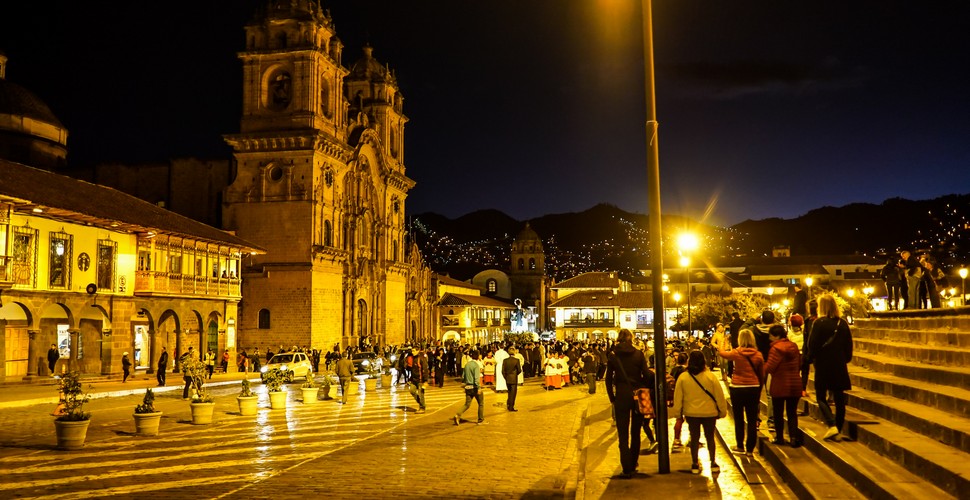
Cusco by Night
Altitude Sickness in Cusco: What Travelers Need to Know
Cusco is located at a high altitude, at 3,399 meters (11,152 feet) above sea level. Today, it serves as the main gateway to Machu Picchu, the Sacred Valley, and some of the most famous trekking routes in South America. Not acclimatizing properly or preparing for the reduced oxygen levels is one of the main challenges travelers face when arriving in Cusco. Altitude sickness can affect visitors regardless of age or fitness level and may interfere with the first days of a Peru trip. It is always best to relax for a few days in Cusco before attempting strenuous activities such as the short Inca Trail to Machu Picchu, Salkantay Trek, or other high-altitude excursions. Staying hydrated, avoiding heavy meals on arrival, and taking things slowly during your first 24 to 48 hours can help your body adapt. Many travelers heading to Machu Picchu use Cusco as their base, so allowing enough time for acclimatization is one of the simplest ways to ensure a safe, comfortable, and enjoyable Peru vacation.

Acclimatize Properly Before Your Trek!
Food Safety in Cusco
Peru’s food and hygiene standards can vary significantly between establishments. While many restaurants in Cusco maintain excellent practices, it is still important to be selective about where you eat, especially if you have just arrived and are adjusting to local food and water conditions. To fully enjoy the local culinary scene without interruption, keep the following guidelines in mind.
Can You Drink Tap Water in Cusco, Peru?
As a standard rule across Peru, tap water in Cusco is not safe to drink. The water does not go through the same purification and filtration processes that many travelers may be used to at home. It is a good idea to stick to bottled, boiled, or properly filtered water, especially if you are staying in Cusco for a short time. For most visitors, bottled or filtered water remains the safest choice throughout their stay. Also, be careful not to swallow water while showering or bathing. Brushing your teeth with tap water is generally considered safe as long as you avoid ingesting it. Taking simple precautions with drinking water can help prevent stomach issues and allow you to enjoy your trip without interruption.
Should You Be Careful of Street Food and Local Restaurants?
One of the best things to do in Cusco is to find a local restaurant away from the busiest tourist areas. This is often where you can sample authentic Andean cuisine and regional dishes from across Peru. However, it is always a good idea to ask for local recommendations. If possible, observe the kitchen, check how clean the dining area appears, and pay attention to the overall hygiene standards of the establishment. Even details such as restroom cleanliness can provide useful clues. Street food can be affordable, delicious, and an important part of the local culinary experience. However, make sure food is freshly prepared and cooked in front of you whenever possible. It is also worth observing how ingredients are stored and whether the food stand appears busy. Choosing restaurants with a steady flow of customers and good local recommendations is usually the best way to enjoy authentic Peruvian food while minimizing health risks.

Guinea Pig is a Regional Specialty in Cusco!
Is Cusco Safe for Solo Female Travelers?
Cusco is generally considered one of the safer destinations in Peru for independent travelers. Many women travel through the city alone every year without experiencing significant problems. If you are wondering, "Is Cusco safe for solo female travelers?", the answer is generally yes, provided you follow the same precautions you would take in any major tourist destination. Avoid isolated areas late at night, use licensed taxis whenever possible, keep valuables out of sight, and remain aware of your surroundings. Areas such as San Blas and the Historic Center are often considered among the safest neighborhoods in Cusco and are particularly popular with solo travelers because of their walkability, restaurants, cafés, and consistent visitor activity. Solo female travelers should be cautious when accepting invitations from strangers, especially when traveling alone. As in any destination, trusting your instincts and maintaining basic personal safety habits goes a long way toward avoiding problems. Many visitors researching solo travel in Cusco safety are pleasantly surprised by how welcoming and tourism-oriented the city feels. The large number of international visitors, guided tours, and tourism services makes it relatively easy to explore independently while still feeling comfortable.
Travel insurance is also worth considering
Do I Need Travel Insurance for Cusco, Peru?
Many travelers ask, "Do I need travel insurance for Cusco, Peru?" While travel insurance is not mandatory for most visitors, it can provide valuable peace of mind throughout your trip. A comprehensive policy may help cover medical treatment, altitude-related illnesses, flight delays, trip interruptions, lost luggage, and other unexpected situations. This can be especially useful for travelers planning activities such as trekking, adventure excursions, or multi-day tours. Travel insurance is often a small investment compared to the potential costs of medical treatment or travel disruptions abroad.
What If I Get Sick in Cusco?
Cusco has several private clinics, healthcare centers, and hospitals that regularly treat travelers. The most common visitor health issues include altitude sickness, dehydration, stomach illnesses, and minor injuries. If symptoms become severe or do not improve, seeking professional medical attention is always recommended. Travelers with insurance often find it easier to access private healthcare facilities and receive assistance with medical expenses. Fortunately, serious health emergencies among visitors are relatively uncommon, especially when travelers take time to acclimatize, stay hydrated, and follow basic food and water safety recommendations. Additionally, if you plan to extend your journey to the altiplano, ensuring coverage for excursions around Puno is highly advisable.
Ultimately, Cusco remains an exceptionally welcoming and secure destination
Cusco is not a dangerous city, but like anywhere in the world, opportunistic crimes can occur. Most incidents involve theft, pickpocketing, or scams rather than violent crime. Travelers who stay aware of their surroundings and take basic precautions generally enjoy a safe and trouble-free visit. The Plaza de Armas during the day is a welcoming and lively place filled with visitors, restaurants, and local activity. While some areas may feel quieter late at night, there is no reason to avoid the city altogether. Simply apply the same common-sense safety measures you would use when visiting any major destination. It is important to pay attention to people who are aggressively trying to sell items or distract you. In some cases, distraction can be used as a tactic for theft. Likewise, using licensed taxis and reputable transportation providers can help you avoid unnecessary risks. Violent crime against tourists is uncommon. However, exercising caution is always the best approach, particularly when visiting less-frequented neighborhoods or walking alone late at night. Areas such as Santiago, Belén, and locations farther from the main tourist districts may require additional awareness, especially after dark. Overall, safety levels within Cusco's tourist corridors remain high. Tourism is one of the city's most important economic activities, and local authorities invest considerable effort into maintaining a safe environment for visitors. Tourist police, regular police patrols, and extensive security camera coverage are common throughout the historic center.
The Imperial City welcomes travelers from around the world every year. Naturally, this creates opportunities for opportunistic thieves targeting distracted visitors. There is no reason to be fearful, but remaining attentive and protecting your belongings is always wise. The Plaza de Armas, Cusco Cathedral, Iglesia de la Compañía de Jesús, museums, shops, and many businesses throughout the historic center benefit from visible security measures. As a result, these areas tend to feel safer than less-visited parts of the city. With reasonable precautions, respect for local advice, and a bit of preparation, Cusco remains one of the safest and most rewarding destinations in Peru. Cusco continues to be one of South America's most fascinating destinations, combining Inca history, living culture, impressive landscapes, and easy access to world-famous sites such as Machu Picchu and the Sacred Valley. Most travelers leave with lasting memories and discover that the city is both welcoming and relatively easy to navigate.
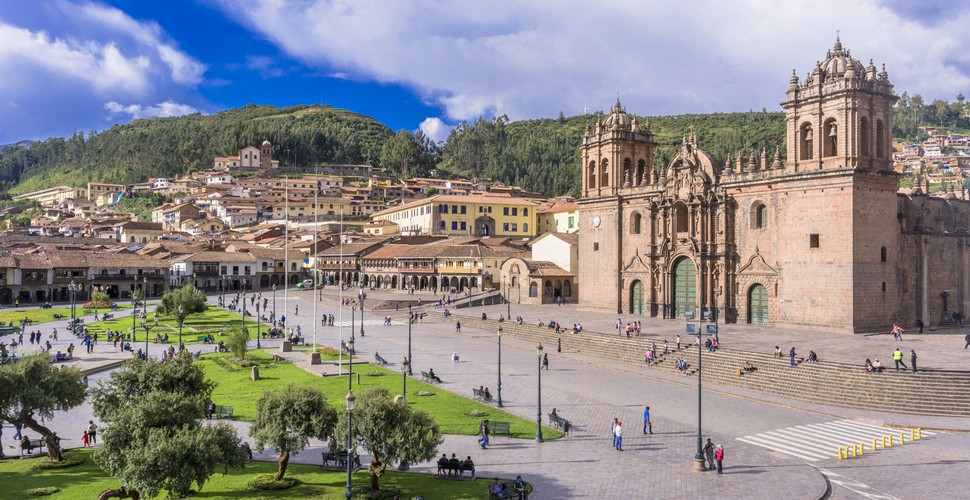
Plaza De Armas, Cusco
Whether you're interested in cultural experiences, private tours, luxury travel, trekking adventures, or a carefully curated Peru itinerary, the local team at Valencia Travel can help you explore Cusco, the Sacred Valley, and Machu Picchu with confidence while making the most of your time in Peru.
SHARE THIS POST
popular-posts-title