
 Aventure
 Cultural
 Gastronomy
 Wellness
 Local Living
 Luxury
Guide to Toritos de Pucara: Peru's Rooftop Bulls
Written by:Claire Dean
Last Update: 2026-07-18
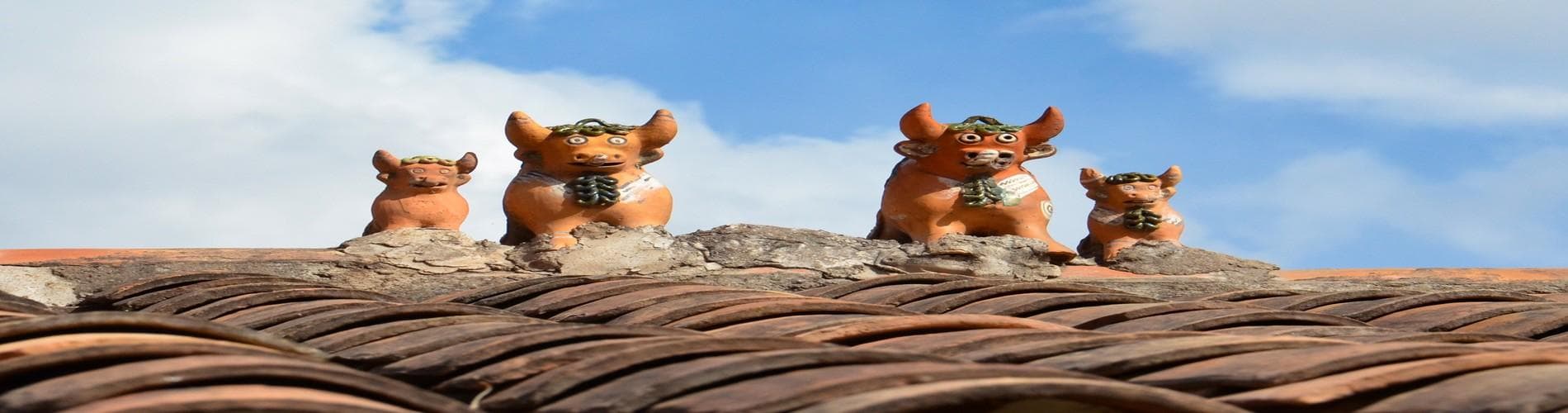
In the picturesque Andean region of Pucará, located within the high plains of Peru's Puno region, a unique and fascinating tradition thrives to this day. Two colorful Toritos de Pucará stand guard on the roofs of houses, carrying with them the rich heritage of Andean folklore. These traditional ceramic sculptures are believed to be guardians of good luck and symbols of protection for the households they watch over. To fully understand what the torito de pucara mean, one must explore how these figures connect to local spiritual history.
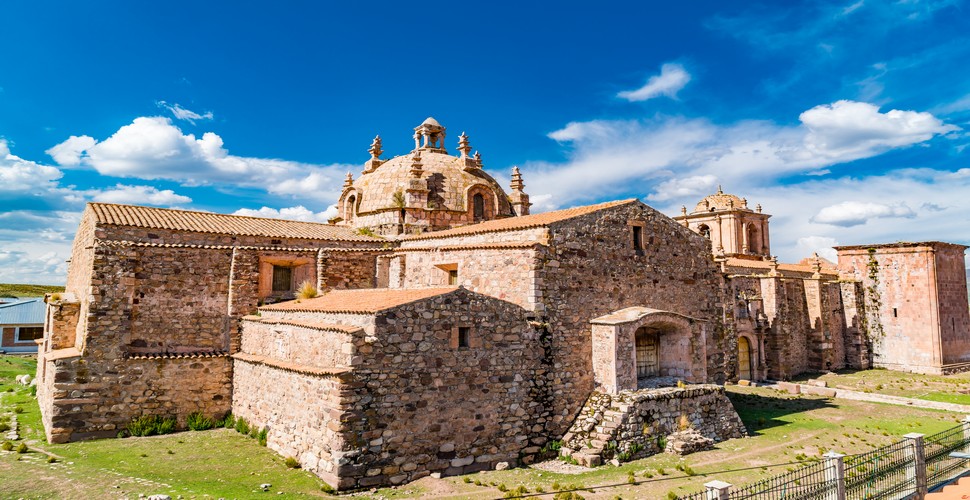
Pucara Church
Where Does the Torito de Pucará Come From?
The tradition of placing these figures on the rooftops can be traced back to historical times when the Andean people deeply revered and worshipped animals. In this section, we will delve into the origins and significance of the Andean tradition of the Toritos de Pucará in the Pucará region of Puno. The Torito, or little bull, held particular significance as a representation of strength, fertility, and protection against malevolent forces. In ancient Andean cosmology, it was believed that these bull-like figures could ward off evil spirits and bring prosperity and harmony to the community. In ancient Andean cosmology, these figures remain an important part of Peruvian culture and are often associated with good luck, protection, and other positive attributes. Here are a few other regions in Peru where you might come across these traditional Toritos, including regions accessible via our The Best of Peru itineraries.
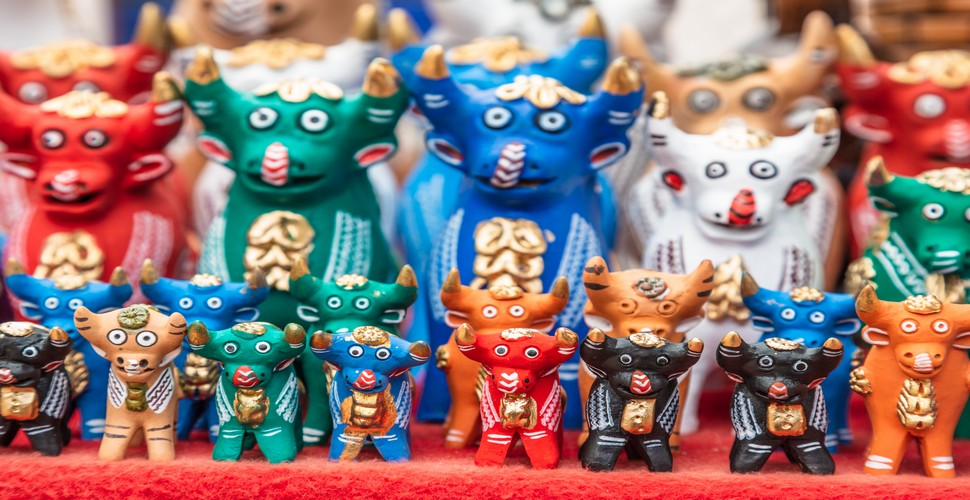
Pucara Bulls on Sale
What is the Story Behind the Pucará Bulls?
Local tradition often points to the famous pucara bull legend drought story. During a time of severe drought in the highlands, a bull was brought to the sacred rock of Pucará as an offering for water. According to the legend, the bull resisted and tore the rock with its horn, causing water to flow instantly from the stone. This miracle saved the crops, and from that moment on, the ceramic figures became permanent symbols of life-giving water and protection. This captivating history is just one part of the rich cultural tapestry you can experience during your journey.
Why Do People Put Bulls on Their Roof in Peru?
These ceramic bulls are an important part of Peruvian culture. Here are a few other specific regions in Peru why do people put bulls on their roof in peru and where you might come across them:
- Cusco - In the historical Inca city of Cusco, located in the southeastern Andean region of Peru, Toritos are an integral part of the city's cultural heritage. They are often used in religious processions and building ceremonies, especially during seasonal celebrations that honor agricultural abundance.
- Ayacucho - The city of Ayacucho, located in the central highlands of Peru, also has a strong tradition of using these figures. These bull figurines play a central role in traditional artisan workshops and are displayed during major regional events.
- Cajamarca - In the northern highlands of Peru, particularly in the region of Cajamarca, they are commonly used as decorative elements during festivals. They are often adorned with ribbons and displayed in public spaces as part of cultural festivities.
- Lima and Urban Areas - While the tradition is deeply rooted in rural communities, you can also find them in urban areas like Lima, especially in handicraft markets and shops catering to those interested in Peruvian folklore.
It's important to note that the specific designs can vary, and each community may imbue these bulls with their own unique meaning. However, the core torito de pucara symbolism handle horns tongue remains consistent across the Andes. The handle on the back represents the union of the human world with the divine. The open eyes represent constant vigilance, while the tongue out to taste the air is a traditional symbol invoking rain and protection against misfortune. These figures remain a cherished aspect of Peruvian culture, reflecting the country's rich heritage and diverse traditions.
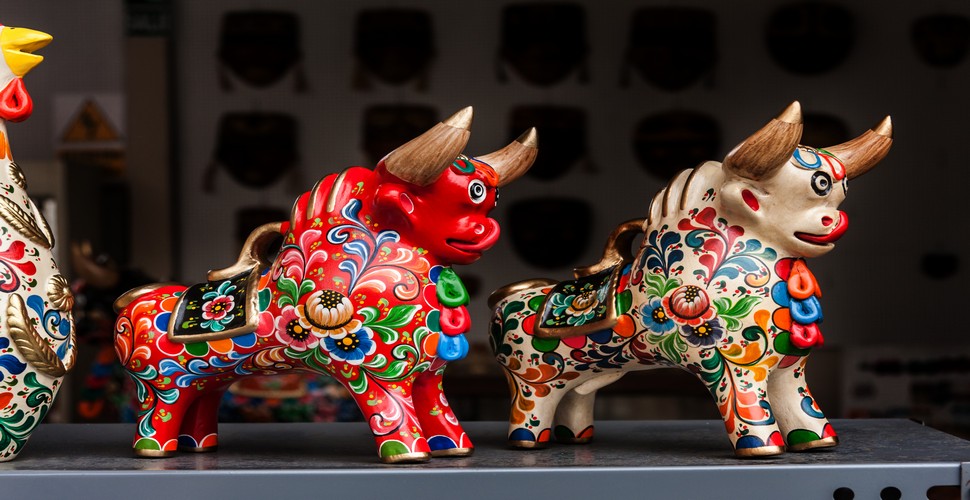
Ornate Pucara Bulls
The Torito de Pucará Meaning and Symbolism
The Toritos Peruanos are seen as bringers of good fortune and prosperity. By placing them on rooftops, the Andean people believe that they will protect the household from misfortune and attract positive energies.
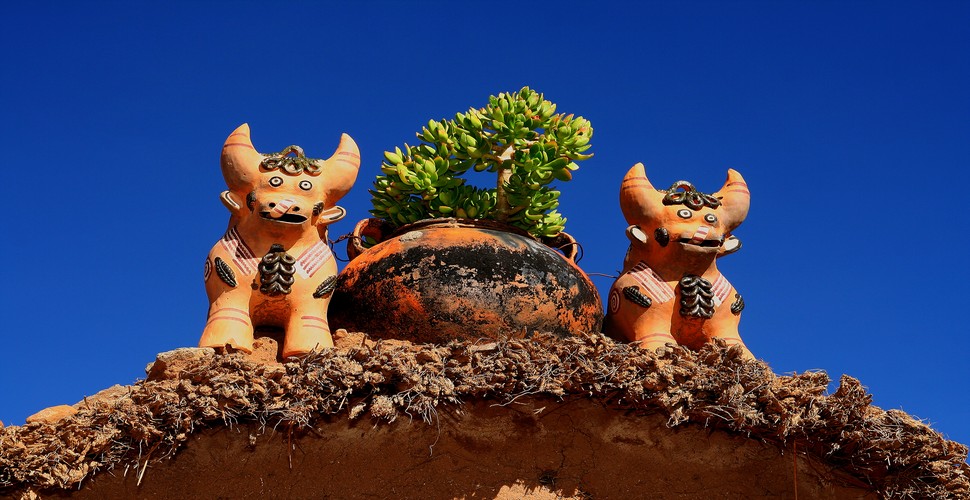
Toritos on a Roof, Pucara
What Do the Colors of the Torito Mean?
The Toritos de Pucará are adorned with vibrant colors, each carrying specific meanings deeply ingrained in Andean symbolism and cultural identity.
| Color | Toritos de Pucará Colors Meaning |
|---|---|
| Red | Symbolizing vitality and energy, the color red represents the life force and the strength needed to overcome challenges. |
| White | Representing purity and peace, white embodies harmony and protection for the household. |
| Yellow | Associated with abundance and prosperity, yellow signifies the blessings of a bountiful life and successful harvests. |
| Green | Reflecting the connection to nature, green symbolizes growth, renewal, and agricultural fertility. |
| Black | Traditionally used by local families to represent protection against envy and negative energies. |
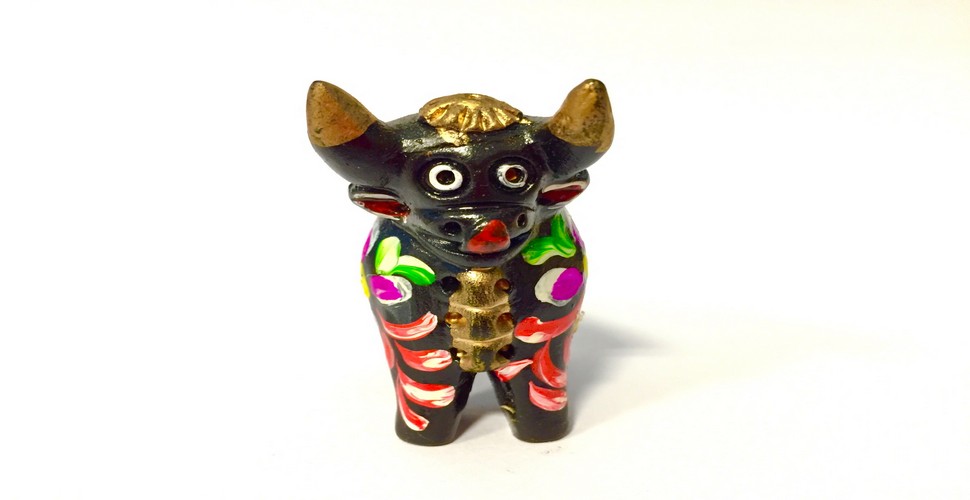
Painted Torito
Discover the Living Traditions of the Andes
The tradition of the Toritos de Pucará in the Puno region is a testament to the Andean people's reverence for their cultural heritage and the natural world. These colorful bull figurines serve as guardians of good luck, protecting households and fostering a sense of unity with ancestral spirits. As the Andean community continues to uphold this cherished custom, they remain potent symbols of the enduring spirit of the highland people.
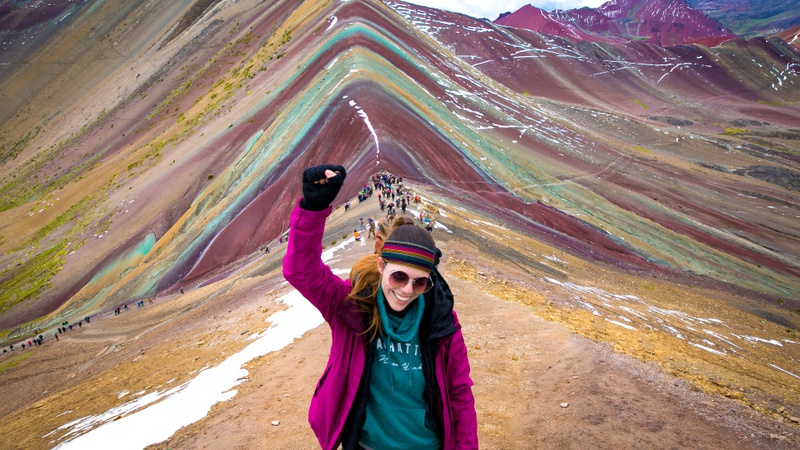
On your next visit to Cusco and Puno, especially when exploring rural regions such as the Rainbow Mountain or the Sacred Valley, keep an eye open for these traditional figures on rooftops throughout the Andes. For travelers seeking a deeper, more meaningful connection to these living customs, Valencia Travel offers curated, private itineraries. Our journeys connect you with local families and expert guides who can share the authentic, living history of Peru in comfort and style.
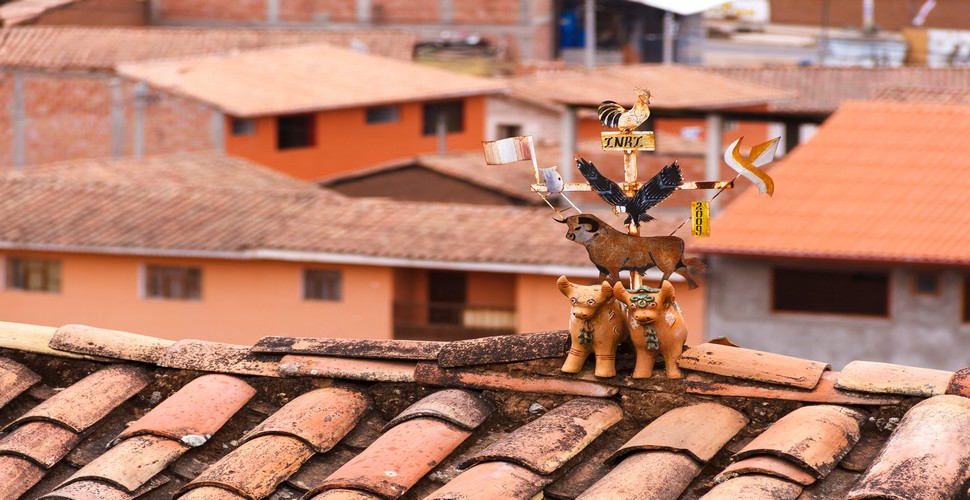
Pucara Rooftops
SHARE THIS POST
popular-posts-title