Natividad Cortez
Travel Expert


 Aventure
Revitalize your soul and experience the stunning, adrenaline-filled landscapes of Peru.
Aventure
Revitalize your soul and experience the stunning, adrenaline-filled landscapes of Peru.
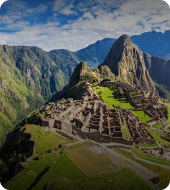 Cultural
Peru’s mystical roots and Inca traditions stretch from Machu Picchu to the Nazca Lines.!
Cultural
Peru’s mystical roots and Inca traditions stretch from Machu Picchu to the Nazca Lines.!
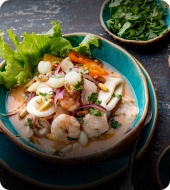 Gastronomy
Peruvian gastronomy—from Pachamanca to ceviche—offers a fresh new taste of our cuisine.
Gastronomy
Peruvian gastronomy—from Pachamanca to ceviche—offers a fresh new taste of our cuisine.
 Wellness
Connect with the magnificent Mother Earth and be at one with your own essential energy.
Wellness
Connect with the magnificent Mother Earth and be at one with your own essential energy.
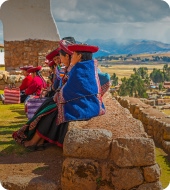 Local Living
Real local connections: hike the Andes, explore markets, and harvest organic products.
Local Living
Real local connections: hike the Andes, explore markets, and harvest organic products.
 Luxury
Our luxury tours offer private guides, bespoke itineraries, and refined comforts
Luxury
Our luxury tours offer private guides, bespoke itineraries, and refined comforts
Get our Travel Tips delivered to your Inbox
 View All Photos
Adventure
Moderate
Cusco, Humantay Lake
Hiking / Trekking
| cardinfo-text-5 | ||
| cardinfo-text-7 | Not included | |
| cardinfo-text-8 | cardinfo-not-included | |
 cardinfo-text-9
cardinfo-text-10
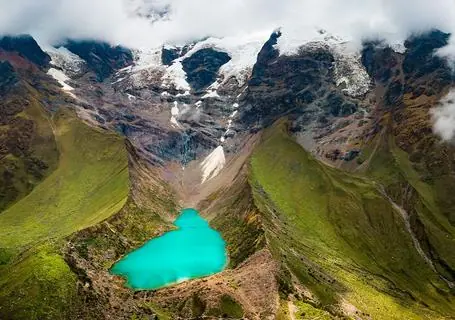
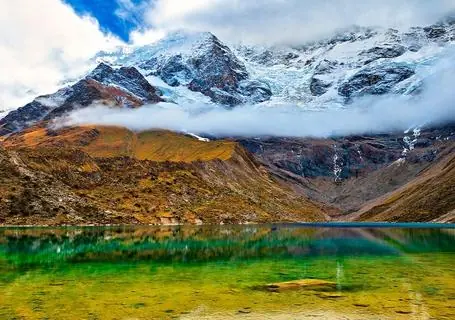
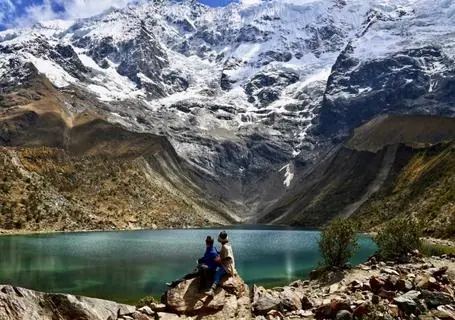
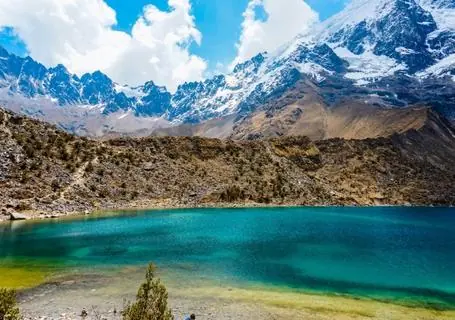
It’s hard to overstate the beauty of Humantay Lake, one of the true hidden gems of the Peruvian highlands. Located at 4,200 meters above sea level (13,779 ft), the lake is nestled between snowcapped mountains and an imposing glacier, and its emerald waters are dazzling in their color. It’s no surprise that the lake was sacred to the Incas, and is still visited by shamans today. It’s also common to leave an offering, known as an apacheta, on the banks of the lake – something that your guide can explain in more detail.
It’s a relatively short but quite challenging trek to reach Humantay Lake, passing through ruggedly beautiful landscapes at high altitude. It’s also only accessible (safely, at least) from below. That, however, is part of the adventure: You’ll only see this spectacular lake when you make it up there!
Speak to an expert
Call our experts or schedule a video consultation for inspiration and expert guidance.
Travel Expert

Travel Expert

Travel Expert

Travel Expert
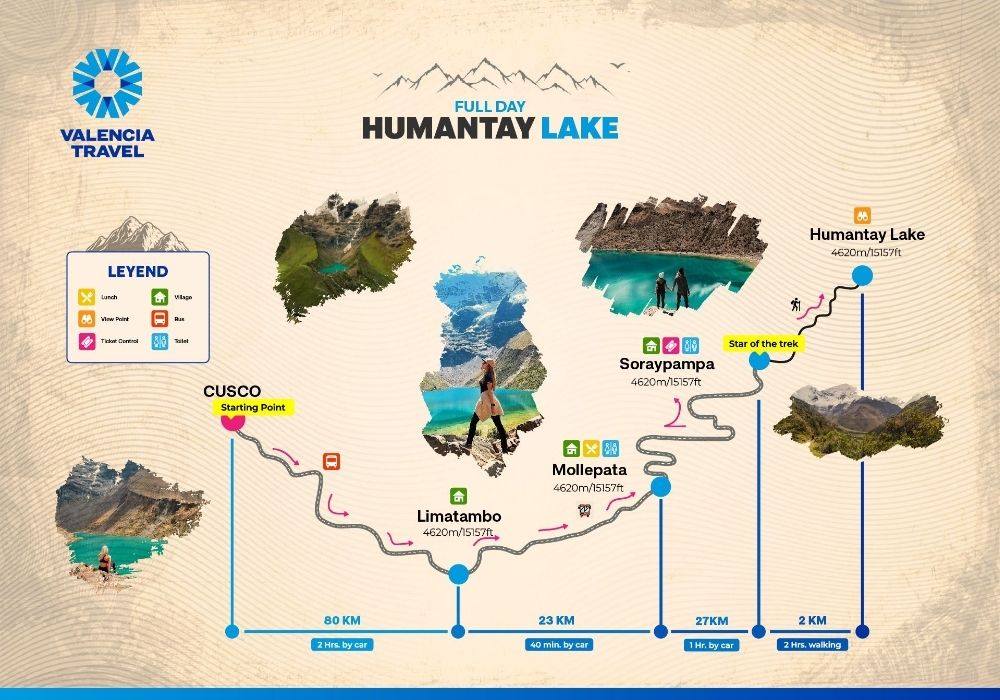
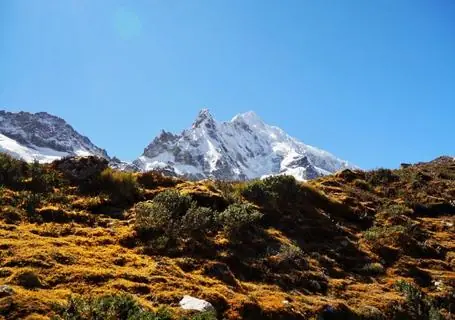
We began our full-day Humantay Lake hike early in the morning when we pick you up from your hotel in Cusco at around 4 a.m. You’ll then travel by private transport with your guide and driver, first stopping at Mollepata where we’ll have a hearty breakfast to give us the energy for our trek. We’ll then continue on to Soraypampa, at 3,920 m/ 12,860 ft. where the trailhead is found. Here you will have the opportunity to see the Sky Camp with its domed accommodation in front of the majestic Salkantay and Humantay mountains.
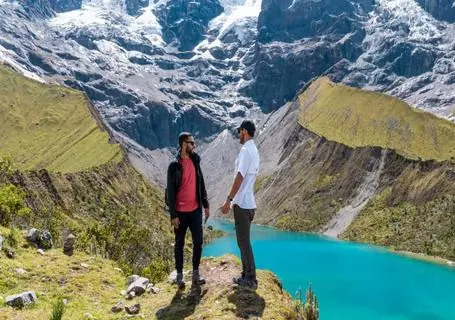
After a short rest, we’ll get ready to start the Laguna Humantay hike. Setting off, we’ll have an uphill trek for about 1.5 to 2 hours, passing through wonderful landscapes surrounded by stunning mountains. While the trekking time is short, it’s nonetheless a tough hike, as we rise for a total of 350 meters before reaching our destination: Humantay Lake at a height of 4,200 meters above sea level.
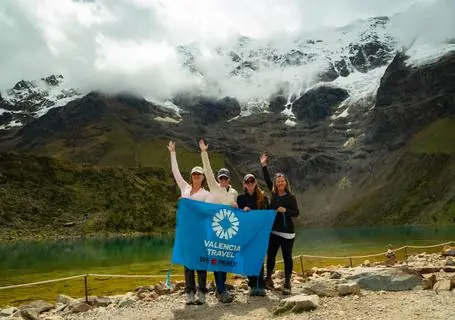
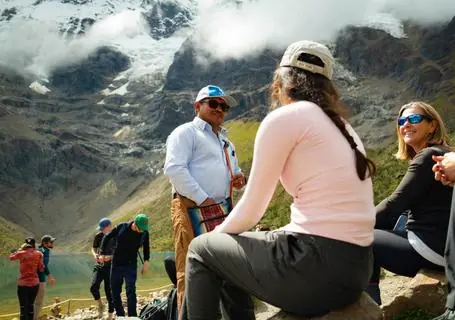
Arriving at the lake and seeing it spread out before you is a majestic experience. Its emerald waters are mesmerizing, and it sits surrounded by a massive glacier and craggy, snowcapped mountains. You’ll have plenty of time at the lake to enjoy the scenery and take pictures, and to trek around the lake and the immediate surrounding area. If you’re feeling brave, you can even go for a paddle in the icy waters.
When we’re all ready to leave this wonderful location, we’ll head back down to Soraypampa where a very tasty and well-deserved lunch will be waiting for us. After lunch, we’ll board our transport and return to Cusco, arriving at around 5 p.m.
Hiking Time: 2 - 3 hours approx.
Hiking Distance: 5 Km / 3.10 miles.
Highest Point: 4,200 m / 13,780 ft.
Lowest Point: 3,920 m/ 12,860 ft.
Secure your spot on the trip now with our real-time availability information.
Act quickly—these spots sell out fast!
additional-info-info
Traveling to a country as diverse and culturally rich as Peru is an incredible experience that can leave a lasting impact on both the traveler and the destination. As tourism continues to grow, it's essential for visitors to be mindful of their actions and choices to ensure that their presence contributes positively to the local communities, environment, and culture. This article aims to provide valuable insights and guidelines on how to be a responsible tourist when exploring the enchanting landscapes and vibrant traditions of Peru.
Peru boasts a remarkable cultural heritage that includes ancient civilizations like the Inca, as well as the customs and traditions of its indigenous communities. As a responsible tourist, it's crucial to respect and appreciate the local culture. This includes dressing modestly when visiting sacred sites, asking for permission before taking photos of people, and refraining from disrupting religious ceremonies.
One of the most effective ways to positively impact a destination is by supporting its local economy. Prioritize staying in locally-owned accommodations, dining at local restaurants, and purchasing handmade crafts and products from local artisans and local businesses. This practice ensures that the money you spend directly benefits the communities you visit, creating a sustainable source of income for them. You will probably also get a lower price too!
When planning your trip to Peru, opt for tour operators such as Valencia Travel that prioritize sustainability and responsible tourism practices. Look for those that follow ethical guidelines, focus on minimizing their environmental footprint, and support local initiatives. Responsible tour operators often provide educational experiences that foster an understanding of the local culture and environment.
If you are planning to trek along the Inca Trail to machu Picchu, select a tour operator such as Valencia Travel that values and respects the rights of porters. Ethical tour companies ensure that porters are treated fairly, paid decent wages, provided with proper equipment, and work in safe conditions. They limit the weight porters carry and prioritize porter welfare throughout the journey.
The issue of plastic pollution affects destinations worldwide, and Peru is no exception. Bring a reusable water bottle and a cloth bag to avoid single-use plastic items. Many hotels and restaurants in Peru are adopting eco-friendly practices, so support their efforts by using eco-friendly products and avoiding unnecessary plastic consumption.
Peru is home to diverse ecosystems, from the Amazon rainforest to the Andes Mountains. Be conscious of your water and energy usage, especially in regions where resources might be scarce. Opt for eco-friendly activities like hiking and wildlife spotting that have minimal impact on the environment.
Peru is known for its unique wildlife, including the majestic condors and colorful Amazonian creatures. However, it's vital to maintain a respectful distance from animals and their habitats. Avoid touching, feeding, or attempting to get too close to wild animals, as this can disrupt their natural behavior and ecosystems.
Whether you're exploring the bustling streets of Lima or the remote trails of Machu Picchu, always dispose of your waste responsibly. Use designated trash bins and recycling facilities, and if none are available, carry your trash with you until you find an appropriate place to dispose of it.
Being a responsible tourist in Peru is about making conscious choices that preserve its cultural heritage, protect its environment, and support its communities. By respecting local traditions, supporting the local economy, and choosing sustainable practices, you can leave a positive impact on this beautiful country while creating unforgettable memories for yourself. Remember that your actions as a responsible traveler in Peru can inspire others to follow suit, ensuring that Peru remains a vibrant and cherished destination for generations to come.
Peru, has long been a magnet for travelers seeking an adventure that combines natural wonders and historical intrigue. From the awe-inspiring ruins of Machu Picchu to the lush biodiversity of the Amazon rainforest, the allure of Peru is undeniable. However, as the global movement towards eco-consciousness gains momentum, it becomes imperative for travelers to explore this remarkable country with a commitment to sustainability. From supporting indigenous artisans to responsible wildlife viewing in the Amazon, reducing plastic waste to choosing eco-friendly accommodations, this guide is your roadmap to responsible and sustainable travel in Peru. Discover how you can immerse yourself in Peru's wonders while leaving only footprints and taking away unforgettable memories and a sense of fulfillment. Join us on this journey to explore the best of Peru in a way that respects its heritage and protects its natural beauty.
Stay in locally-owned accommodations, eat in local restaurants, and buy handicrafts from local artisans. This helps the local economy and reduces the carbon footprint associated with large, international chains.
When visiting the Amazon rainforest or other natural areas, choose operators that follow ethical wildlife viewing guidelines. Avoid tours that engage in activities harmful to animals, such as riding them or getting too close to nesting sites.
Peru has a rich cultural history. When visiting archaeological sites like Machu Picchu or historic towns like Cusco, be respectful of the heritage. Do not touch or climb on ancient structures and follow the guidance of local authorities.
Carry a reusable water bottle and use water purification methods to reduce the need for single-use plastic bottles. Avoid using plastic bags and opt for reusable bags.
Conserve resources by turning off lights, air conditioning, and heating when not in use. Limit your water usage and choose accommodations with water-saving initiatives.
Look for tour operators like Valencia Travel that have sustainability initiatives, such as waste reduction, renewable energy use, and low-impact transportation options. They should also employ local guides who can provide insight into the culture and ecosystem.
If you plan on hiking along the Inca Trail to Machu Picchu, use the services of operators who follow Leave No Trace principles. Pack out your waste, and choose responsible tour companies with responsible camping practices.
Use public transportation or shared transportation options when moving between cities or exploring regions. This helps reduce the carbon footprint associated with private vehicles.
Choose accommodations that are certified as eco-friendly or sustainably operated. These lodges often have initiatives in place to minimize their environmental impact.
Take the opportunity to educate yourself about the local flora and fauna. Understanding the environment helps you appreciate it more and encourages its protection.
Be mindful of water consumption, especially in regions where water is scarce. Take shorter showers and reuse towels to reduce the need for frequent washing.
Always use designated trash and recycling bins, and do not litter. In rural areas, pack out your trash to avoid impacting local ecosystems.
Consider donating to local conservation organizations working to protect Peru's natural and cultural treasures. Visit museums and cultural centers that contribute to preservation efforts.
Do not disturb wildlife, and stay on designated paths in protected areas to minimize your impact on the environment.
By following these sustainable practices, eco-friendly tourists can help preserve Peru's stunning natural beauty and rich cultural heritage for future generations while also supporting local communities and minimizing their environmental footprint, during your trip to Peru. Eco-friendly tourism practices not only enrich your travel experience but also ensure that the natural beauty and cultural richness of Peru are preserved for generations to come, and will allow you to savor the splendors of Peru while minimizing your environmental footprint and contributing positively to the local communities.
Peru, a land of astonishing ecological diversity, rugged mountain ranges, and ancient civilizations, stands as a testament to the remarkable harmony between nature and culture. From the Amazon rainforest to the majestic Andes and the mysterious Nazca Lines etched in the arid desert, Peru's landscapes hold an exceptional beauty that has captured the world's imagination. Yet, beneath this enchanting facade lies a delicate balance that requires our vigilant care and environmental consciousness. Environmental awareness is of vital importance whenever people visit on their Peru vacation package. Find out more here.
Peru is one of the world's most biologically diverse countries, home to a wide range of ecosystems, including the Amazon rainforest, Andes mountains, and coastal deserts. Preserving this biodiversity is crucial for the health of the planet and for future generations.
Many indigenous communities in Peru rely on the environment for their livelihoods and cultural identity. Environmental awareness is essential to protect their rights and ensure that their traditional knowledge is respected.
Peru is particularly vulnerable to the impacts of climate change, including glacial melting in the Andes and extreme weather events. Raising awareness about climate change is essential for mitigating these effects and adapting to new challenges.
Peru is a major producer of agricultural products, including quinoa and coffee. Environmental awareness in Peru is critical for promoting sustainable farming practices that preserve soil and water resources.
Peru's natural beauty, including the Amazon River, Machu Picchu, and the Nazca Lines, is a major driver of its economy through tourism. Environmental conservation is essential for preserving these attractions and maintaining the tourism industry.
Access to clean water is a fundamental human right, and many Peruvians rely on rivers and lakes for their water supply. Protecting these water sources from pollution and overuse is essential for public health.
Peru faces challenges from illegal logging and mining activities, which can have devastating effects on the environment. Environmental awareness can help combat these illegal activities and promote sustainable resource management.
Peru is a signatory to international agreements and conventions aimed at environmental protection, such as the Paris Agreement and the Convention on Biological Diversity. Environmental awareness is crucial for fulfilling these commitments.
Environmental degradation can have a direct impact on public health in terms of air and water pollution. Promoting environmental awareness can help reduce these health risks.
Sustainable environmental practices are essential for the long-term economic well-being of the country. Environmental degradation can lead to increased costs, reduced agricultural productivity, and the loss of natural resources.
In conclusion, environmental awareness in Peru is crucial for preserving the country's unique natural resources, protecting the rights and livelihoods of Peru´s indigenous communities, and ensuring a sustainable and healthy future for its citizens. It also plays a significant role in Peru's global commitments to environmental protection and its economic stability. The importance of environmental awareness in Peru cannot be overstated. This nation is both a treasure trove of biodiversity and a testament to the enduring traditions of indigenous communities. It is a place where the effects of climate change are acutely felt, where sustainable agriculture and responsible tourism are pivotal to the economy, and where the protection of vital water resources is non-negotiable. Peru's environmental challenges and triumphs resonate globally, as it navigates the intricate interplay of conservation, culture, and development.
When traveling to the enchanting country of Peru on your Peru vacation package, your top priority should be experiencing its rich culture, stunning landscapes, and mouthwatering cuisine. But just as important is ensuring the safety of your valuable possessions while you enjoy your journey. Many hotels in Peru offer a valuable solution in the form of safety deposit boxes. Here, we will delve into the importance of these secure storage options and how they can provide peace of mind for travelers during their trip to Peru.
Protection for Valuables
Safety deposit boxes in Peruvian hotels serve as a reliable and secure means of safeguarding your most valuable belongings, such as passports, cash, jewelry, electronics, and important documents. Knowing that your possessions are locked away can help you relax and fully immerse yourself in you Peru travel experience.
Convenience and Accessibility
Most hotels in Peru provide safety deposit boxes in the rooms or at the front desk. This accessibility ensures that you can easily access your belongings when needed, without the hassle of carrying everything with you at all times, during your Peru vacation.
Peace of Mind
Traveling can be stressful, and the last thing you want to worry about is the safety of your valuables. Safety deposit boxes offer travelers the peace of mind they need, allowing them to focus on enjoying their trip rather than constantly checking on their possessions on the numerous Peru tours.
Enhanced Security Measures
Hotels in Peru take guest safety seriously, and safety deposit boxes are typically equipped with advanced security features, including digital locks or keycard access. This provides an added layer of protection against theft or unauthorized access.
Insurance and Liability
In the unfortunate event that any of your belongings are lost or stolen while stored in a hotel's safety deposit box, many hotels offer liability protection and insurance, providing compensation for the loss. Be sure to check with your hotel about their specific policies.
Practical Usage
Safety deposit boxes are not only for securing valuable items but can also be used to store important travel-related documents, such as travel itineraries, tickets, and visas. Having all these essentials in one secure location simplifies your travel experience. All hotels that we use have safety deposit boxes in the hotel rooms or at the reception for your safety during your visit to Peru.
When planning your trip to Peru, make sure to prioritize the safety of your belongings by utilizing the safety deposit boxes provided by your hotel. It's a small but crucial step that can enhance your travel experience and ensure that your focus remains on exploring the wonders of this incredible country, free from the worry of your valuables. In Peru, safety and security are paramount, and the availability of safety deposit boxes in hotels is a testament to the commitment of the hospitality industry in ensuring your peace of mind during your vacation in Peru. These tips for ensuring a safe and secure trip in Peru will help you have a safe and pleasurable trip to Peru!
Peru is a country in South America, located on the western side of that continent, encompassing a part of the Andes Mountain range that runs the length of South America, and facing the South Pacific Ocean. Peru shares its borders with Ecuador and Colombia to the north, Brazil, and Bolivia to the east and Chile to the south. What makes this country stand out among all the other countries in the world are its unsurpassed cultural diversity and history. The archaeological heritage of pre-Columbian cultures and the nexus of the ancient Inca’s empire attract the true adventure lovers to this country. Every year it gets thousands of visitors thanks to its wonders. Lots of travelers head straight to Machu Picchu as it’s the most famous destination in the country, but there is so much more to see and do. Peru has amazing beaches and its beauty is not only about historical sites and colonial cities like Lima and Cuzco. Of course, we can't forget about the natural wonders like Rainbow Mountain, Titicaca Lake, Amazon Rainforest, and the mysterious Nazca Lines. Unfortunately, Peru is also famous to be a quite dangerous country, for different reasons. The Media and Embassies often say it’s a dangerous country, it’s not unusual to see violent strikes and violent protests in the cities due to the dissatisfaction towards the government, and pickpockets are pretty common.
But if you listen to all what media says, you would never go to Peru. They generally focus on the negative aspects of the country, they only talk about strikes, violence, protests, social problems, drugs, and poverty. Of course, we are not here to deny that these issues exist, just like every other country, Peru has its issues, yet you can travel safely throughout Peruvian territory especially if you join a tour group on a Peru vacation package
The press rarely talks about how amazing the Peruvians are. They are kind people and always interested in making friends and they just want travelers to enjoy their time in the country and fall in love with their wonderful Peru. They want travelers to know that there is much more in Peru than crimes and social problems. It won’t take long to make Peruvian friends. They are really friendly, they have a Latin soul after all, and they are so lively. Of course, like in every country, not everybody is genuine and kind. Scams do exist on a small scale so it is important to have your wits about about you during your trip to Peru.
Some Issues
There are sometimes issues in Peru regarding protests and the strikes, more recently due to the arrest of the ex- President Pedro Castillo. However, this type of unrest is not generally directed at tourists. Most of the time Peruvians are just fighting for their rights in their country, because they want better conditions of life and work, they deserve a better country and they don’t want a government that makes bad decisions. The people are calling for a re-election but this has not been addressed by the government. Protests are generally not directed at tourism and tourists are generally safe unless they get caught up in the protests by accident, or the streets and tourist destinations are closed due to the protests.
Embassy /Consulate Recommendations
Embassies are advising that you should avoid any protests or government buildings where protests are likely to take place. The current protests could spread to other parts of the country and lead to road closures, further rail suspensions and closure of airports. Travellers are therefore advised to monitor local social media and adhere to government advice. They should also travel with a sufficient supply of food, water and medication, as well as local currency in cash.
In general, Peru is a safe country to travel with children. People are kind, the landscapes are truly stunning and the learning experiences are culturally enriching and fascinating. Many families travel to Peru, some more adventurous than others however, there are few basics to remember. For example, talk to your doctor before taking babies under 2-year-old to high elevation. Book in advance with a reputable tour operator and make sure that all activities you book are suitable for the younger members of the family.
The general answer is yes, single travelers don´t usually have too many issues. It is recommendable to learn some Spanish before your travel, a little goes a long way, when you are getting around Peru.
Female travelers
Peru is generally safe for female travellers. Women will however, get more unwanted attention, such as dealing with wolf whistling and cat calls. Women should be prudent if alone at night, you may be seen as an easy target for thieves; also, if you are at the bar, you should never leave your drink unattended.
In some countries, it is appropriate to drink tap water. Unfortunately, this is not an option in Peru. Make sure you boil the tap water before drinking it at least for 1 minute. In general, the tap water is loaded with limescale and is detectable on drinking even when boiled. If you are staying at hotels, we recommend bringing a refillable bottle with you to stock up on water from their “bidon” of purified water, and avoid the use of plastics.
Contact us here if you are uncertain about travel to Peru and we will put your mind at rest. Peru is generally a safe country to visit in South America yet still has its periods of unrest like anywhere else in the world! Please contact us if you are concerned bout your safety in Peru!
Peru, a mesmerizing country known for its rich cultural heritage, ancient ruins, and stunning landscapes, beckons adventurers from all around the world. While the allure of Peru is undeniable, so is the presence of pickpockets, a common challenge for tourists. Here, we will shed light on the crafty pickpockets of Peru and provide essential tips to help travelers safeguard their belongings and enjoy a secure exploration of this Andean gem. Here are some Safety tips for travelers to Peru.
Pickpocketing is a prevalent issue in many major cities and tourist destinations in Peru, including Lima, Cusco, Arequipa, and Machu Picchu. These nimble-fingered thieves often target distracted or unsuspecting tourists in crowded areas, public transportation, markets, and even historical sites. The methods employed by pickpockets are as diverse as the country itself, making it crucial for travelers to be vigilant during their visit to Peru.
Conceal Valuables
Keep your money, passport, and other valuable documents concealed in an under-clothing pouch or a money belt. Avoid carrying large sums of cash or flashy jewelry.
Use Anti-Theft Bags
Invest in anti-theft bags with features like lockable zippers, cut-resistant straps, and RFID-blocking compartments. These will make it much harder for pickpockets to access your belongings.
Stay Aware
Pay attention to your surroundings, especially in crowded places. Be cautious of individuals who get too close, bump into you, or exhibit unusual behavior.
Divide and Secure
Divide your valuables into multiple pockets and bags. This way, even if a pickpocket succeeds in taking one item, the rest will remain safe.
Beware of Distractions
Pickpockets often use distraction techniques. Be cautious if someone spills something on you, asks for directions, or engages you in conversation abruptly.
Opt for Secure Transportation
When using public transportation, especially buses and trains, be on guard. Keep an eye on your belongings and use luggage locks if necessary.
Prevent Digital Theft
Use password protection and tracking apps for your electronic devices. Ensure your gadgets are secure, and avoid using public Wi-Fi networks for sensitive transactions.
Know Emergency Numbers
Familiarize yourself with local emergency numbers and contact information for your country's embassy in Peru in case you need assistance.
Stay Informed
Stay updated on the latest travel advisories and safety recommendations for your destination. Local insights from fellow travelers in Peru can be invaluable.
Blend In
Avoid drawing attention to yourself by dressing like a local and speaking quietly in public. Dress modestly and respectfully when visiting religious or cultural sites.
Exploring the enchanting land of Peru is an unforgettable experience, but it's essential to be aware of the presence of pickpockets and take measures to protect your belongings. By following the safety tips outlined in this article, you can minimize the risk of falling victim to theft and fully enjoy the remarkable attractions, culture, and hospitality that Peru has to offer. Stay vigilant, stay prepared, and create lasting memories in this captivating trip to Peru.
Planning a trip to Peru is an exciting adventure, as this South American country offers breathtaking landscapes, rich cultural experiences, and the opportunity to explore ancient Incan ruins. However, before embarking on your journey to this diverse and beautiful destination, it is crucial to ensure your health and safety. One of the most important steps in preparing for your trip to Peru is to get the recommended vaccinations. Peru, like many other international destinations, presents unique health risks that travelers should be aware of. Let’s explore the essential vaccinations for travel to Peru to help you stay healthy and enjoy your trip to the fullest.
Traveling to Peru is a rewarding experience, but it's essential to prioritize your health and safety. By getting the recommended vaccinations and consulting with a healthcare professional before your Peru trip, you can minimize the risk of contracting preventable diseases and ensure a safe and enjoyable journey. Remember that vaccination requirements and recommendations may change, so always stay updated on the latest information from health authorities and consult with a travel medicine specialist for personalized advice on your specific itinerary. With the right precautions, you can explore Peru's wonders with peace of mind.
How to keep fit and healthy during your trip to Peru.-
Traveling to any destination anywhere in the world can be hard both emotionally and physically. Peru and South America are no exception; you need to take care of your health to enjoy your Peruvian vacation. This article contains tips for healthy travel and some advice to stay healthy during your Peru vacation package.
Before you leave home.-
Visit a medical clinic before you travel, your doctor will be able to give you the injections you need for the locations you wish to visit. Vaccines and medications are one of the best ways to protect yourself while traveling. Vaccines for Hepatitis B, Typhoid, Cholera and Travelers Diarrhea are the most common you will need when traveling to Peru.
Pack a good first aid kit, you may think that you do not need this but this is an essential part of any trip. Take the essentials like anti diarrheal medication, antihistamine, anti-motion sickness medication, pain relievers, laxative, antacid, anti-bacterial ointment, hand sanitizer, band aids, cream for sunburn and rehydration salts, if you don’t need it then great, but it is better to have it.
Travel Insurance, we all know when traveling this is an extra expense that you might not be able to afford, but a basic policy is essential for every trip you take. Should something happen, you can at least rely on your policy to help get you home. Without it, you may be in serious trouble during your trip to Peru.
Build up your fitness level with aerobic training, or cardiovascular training. This refers to activities that use oxygen to adequately meet the demands of exercise through aerobic metabolism, and should be the focus of your preparation. Swimming, running, and hiking, are all good ways to prepare for your Peru treks.
Mental Preparation. Training for Machu Picchu is as much about your physical endurance as it is about your mental stamina. There will be points where the trek is particularly tough, usually on the trails up to high passes. Despite tired legs and sore bodies, you will need to be able to dig deep to push yourself up and over passes. Make sure you have a good attitude before arriving in Cusco. That means preparing yourself mentally for a proper challenge.
During your trip
Water, anywhere you travel in the world you need to be careful with the drinking water. Normally what most people do is buy bottled water, this is the best idea but make sure that the seal is intact. Taking purification tablets with you is a good idea if you feel that you will not be able to get bottled water, the taste is a little strange but it is better than getting sick. Hot drinks also are the way to go, as you know that the water has been boiled on your vacation to Peru.
Eat healthy and in reputable restaurants to avoid illness that could take away valuable travel time on your trip to Peru. Wait until after any multi day treks, to try or experiment with the local cuisine and try all of the delicious dishes on offer in Peru.
The Altitude. Take it easy when you arrive at altitude and drink plenty of water. Do not take the altitude lightly this can make you feel bad and you do not want to spoil your Peru holiday package. Do nothing more than stroll around for the first few days until you feel your breathing is normal and you are used to the thinner air. After a couple of days do some day hikes around the local archaeological sites or some mountain biking in The Sacred Valley.
Save the parties and drinking until after any trek you have planned, your body will thank you for it. Alcohol can cause terrible hangovers at altitude and should be avoided, at least while you are acclimatising 😊
The top-end hotels throughout Peru usually have decent gym and excellent spa facilities to help you keep fit and well during your stay. There are a number of wellness options for those who are looking to maintain a healthy lifestyle during their trip, ask us at Valencia travel for more information on wellness options for the destinations you will be visiting.
Staying for long periods of time in Peru.
Happy and healthy Travels!
Essential First Aid Tips and Packing Guide for Your Trip to Peru
Planning a trip to Peru is an exciting adventure filled with stunning landscapes, rich cultural experiences, and a chance to explore ancient ruins and vibrant cities. To ensure your vacation to Peru is enjoyable and safe, it's important to be prepared for unexpected situations. This article will provide essential first aid tips and a comprehensive packing guide to help you stay healthy and safe during your trip to Peru.
First Aid in Peru.-
Peru is a diverse and geographically varied country with a range of climates and terrains, from the Amazon rainforest to the Andes Mountains to the coastal desert. Travelers can encounter a variety of health and safety challenges, so being well-prepared with a first aid kit is crucial. Here are some first aid tips to consider for your Peru vacation package.
Vaccinations and Health Precautions.-
Before your trip, consult a travel clinic or your healthcare provider to ensure you are up-to-date on routine vaccinations and to discuss any additional vaccinations or precautions recommended for your visit to Peru.
Altitude Sickness.-
If you plan to visit high-altitude areas of Peru like Cusco or Machu Picchu, be prepared for the potential effects of altitude sickness. Consult your doctor and consider packing medication prescribed for altitude sickness.
Food and Water Safety.-
To prevent foodborne illnesses, stick to bottled water and avoid consuming raw or undercooked food. Carry a water purification system or tablets in case you need to purify water. Also pay extra attention to ice in drinks and make sure it is prepared using purified water during your vacation in Peru.
Insect Protection.-
Peru is home to insects that can transmit diseases like malaria and dengue. Pack insect repellent, long-sleeved clothing, and bed nets if you plan to visit jungle areas.
Sun Protection.-
Protect yourself from the strong UV rays at high altitudes and in sunny coastal regions. Pack sunscreen, sunglasses, and a wide-brimmed hat, especially in the heigh elevations of Cusco, Puno and Machu Picchu.
First Aid Kit.-
Assemble a comprehensive first aid kit including bandages, antiseptic wipes, adhesive tape, pain relievers, antihistamines, diarrhea medication, and any prescription medications you require. Also, include a basic medical manual for reference.
Essential items to include in your first aid kit for your trip to Peru:
Adhesive Bandages: Assorted sizes to treat minor cuts, scrapes, and blisters.
Sterile Gauze Pads: Used for wound cleaning and covering.
Adhesive Tape: To secure bandages and gauze in place.
Antiseptic Wipes: For cleaning wounds and preventing infection.
Tweezers: To remove splinters or foreign objects from the skin.
Scissors: Useful for cutting tape, gauze, or clothing if needed.
Cotton Balls or Swabs: For cleaning and applying topical medications.
Pain Relievers: Over-the-counter pain relievers like ibuprofen or acetaminophen.
Antihistamines: For allergies, insect bites, or allergic reactions.
Diarrhea Medication: Over-the-counter anti-diarrheal medication.
Prescription Medications: Any prescription medications you regularly take, along with a copy of your prescription.
Medical Gloves: Disposable gloves for hygiene and protection.
Digital Thermometer: To monitor your body temperature.
CPR Face Shield or Mask: For performing CPR safely.
Moleskin or Blister Pads: To prevent and treat blisters.
First Aid Manual: A basic first aid guide for reference.
Emergency Contact Information: Include emergency phone numbers, personal medical information, and a copy of your travel insurance details.
Remember to check the expiration dates on medications and regularly update your first aid kit as needed. Additionally, consider any specific medical needs or allergies when assembling your first aid kit for your Peru vacation package.
How to Protect Yourself From Mosquitoes and Other Hazards
Peru is a captivating destination, known for its rich cultural heritage, stunning landscapes, and diverse ecosystems. However, like any foreign country, it presents its own set of challenges and hazards for visitors. Among these challenges, mosquito-borne diseases top the list. To ensure a safe and enjoyable vacation in Peru, it's crucial to take precautions and be informed. Here, we will guide you on how to protect yourself from mosquitoes and other hazards during your Peru vacation package in this beautiful South American country.
Your vacation in Peru promises unforgettable experiences, but it's essential to take precautions to protect yourself from potential hazards. By following these guidelines and being well-informed, you can ensure a safe and enjoyable trip, allowing you to fully immerse yourself in the beauty and culture of this fascinating country. Enjoy your adventure trip in Peru with peace of mind and a sense of security!
The Truth About Drinking Tap Water in Peru
Peru is a country renowned for its rich cultural heritage, stunning landscapes, and delectable cuisine. Yet, when it comes to something as fundamental as the quality of tap water, many travelers and even residents often question its safety. The question that looms large is: Can you drink the tap water in Peru without any concern? In this article, we'll explore the state of tap water in Peru, the challenges it faces, and the measures you can take to ensure your drinking water is safe, during your Peru vacation.
Drinking tap water in Peru is not universally safe, and the safety of the water can vary greatly depending on the location. While improvements have been made to water treatment infrastructure, it is essential when traveling to Peru to exercise caution. Boiling water, using purifiers, and opting for bottled water are practical measures to ensure that you can enjoy your vacation in Peru without risking your health. Always prioritize your well-being when deciding whether to drink tap water in Peru, and remember that prevention is better than a cure.
Ok, so maybe you have heard of Machu Picchu, or you have learned about the incredible Inca civilisation and lost cities of gold in school, but did you know that Peru is a country of endless discovery? With its diverse culture, rich history, stunning scenery, and delicious food, Peru is a truly unforgettable destination that is on many travelers bucket-lists. Whether you want to hike the Inca Trail to Machu Picchu, sample the exquisite Peruvian cuisine in the top restaurants in the world, visit unique natural features that can only be found in this Andean country, sail on the highest navigable lake in the world, Titicaca, or explore the biodiverse regions of the largest jungle in the world, The Amazon. Peru really does have it all for the adventurous, and curious, traveler, looking for a vacation with a difference. Here is some general information about traveling to Peru.
Peruvian Territory
The Republic of Peru has a population of 31.92 million people who live on a landmass spanning 1.285 million km2, making for some densely populated areas like the capital, Lima.
The Different Regions of Peru
Peru is a country of diverse regions, each with its own unique culture, landscape, and attractions. Here is a brief overview of the three main regions of Peru:
The Coast:
The coastal region of Peru is a narrow strip of land that runs along the Pacific Ocean. It is the most densely populated region of Peru and is home to the capital city, Lima. When you travel to Lima, Peru its warm climate, arid landscape, and impressive surf beaches are evident. Some of the popular tourist destinations on the coast include:
The Andes:
The highland region of Peru. It is home to the Andes Mountains, as well as the ancient Inca city of Machu Picchu. The Sierra is known for its cool climate, dramatic scenery, and traditional culture. Some of the popular tourist destinations in the Sierra include:
Amazon Rainforest:
The Amazon Rainforest is the largest rainforest in the world and covers over 60% of Peru. It is home to an incredible diversity of plants and animals, many of which are found nowhere else on Earth. The Amazon Rainforest is a great destination for travelers who are interested in nature and adventure. Some of the popular tourist destinations in the Amazon Rainforest include:
Peru´s Main Attractions:
In this comprehensive guide, we will explain the entry requirements for when you visit Peru, ensuring that your travel plans are not only well-informed but also hassle-free. Whether you are a seasoned traveler or setting foot in Peru for the first time, we will walk you through the visa regulations, and essential documentation needed to make your Peru adventure vacation a seamless and unforgettable experience.
Entry requirements for European and USA Citizens:
Requirements for Exit:
If you do not have an entry record, you will not be allowed to exit the country until immigration authorities confirm the time and place of your entry into the country. This can be a difficult process, costing considerable time and money to resolve.
Make sure the Immigration authorities record your entry, and then save the record for your exit. An entry record is required even at remote border crossings, where often the proper officials are not present.
Immediately report lost/stolen passports to local police and keep the report. You must apply for a new passport at the Embassy and obtain a replacement entry record from Immigration using your police report prior to exiting Peru.
Regardless of nationality, all children who are traveling with both birth parents are required to have a valid passport and the necessary visa or citizenship of the country where they are traveling. Peruvian immigration procedures are complex for minors traveling without one or both parents/legal guardians.
For entry/exit from Peru, foreigners, minors under the age of 18, traveling alone or with only one parent, generally do not require additional documentation if entering as a tourist for less than 183 days. However, if the stay lasts more than 183 days, then a “Permiso Notarial de Viaje” is required.
* A Permiso Notarial de Viaje is a written, notarized authorization from the non-traveling parent(s). Peruvian immigration will not accept a document notarized by a foreign Embassy or a document notarized by a foreign notary in lieu of a Permiso Notarial de Viaje. Please be aware that these authorizations are valid for 30 days and one trip only.
Minors who are dual national Peruvians, traveling alone or with only one parent, require a “Permiso Notarial de Viaje”. Furthermore, step-parents or guardians accompanying a dual U.S.-Peruvian citizen minor must provide a Permiso Notarial de Viaje from the non-traveling minor’s parents (as listed on the birth certificate). Finally, if an accompanying parent has sole custody, legal documentation is required. For example, a foreign court-approved custody document stating sole custody, a death certificate, a Peruvian court-approved document for travel, or a birth certificate listing only one parent.
The detailed visa requirements for Peru vary depending on your nationality. Here is how to apply for a Peruvian visa: Step-by-step guide.
Visa-free entry: Citizens of the following countries are eligible for visa-free entry to Peru for up to 90 days:
Visa on arrival
Citizens of the following countries are eligible for a visa on arrival to Peru for up to 180 days:
Visa required
Citizens of all other countries require a visa to enter Peru. Visas can be obtained from Peruvian embassies and consulates around the world.
Additional requirements:
In addition to the general requirements listed above, you may also be required to provide the following documents when applying for a Peruvian visa:
The specific visa requirements for Peru may vary depending on your nationality and the purpose of your visit. It is important to check with the Peruvian embassy or consulate in your home country for the latest information.
Peru is a popular destination for adventure travelers, with activities like hiking the Inca Trail to Machu Picchu, mountain biking in the Andes, and surfing on the Pacific coast. However, it is important to note that these activities can be dangerous, and it is important to have travel insurance in case of an accident or illness, on any Peru vacation package. Here are some important pointers about understanding travel insurance-what you need to know.
Travel insurance is a type of insurance that protects you against financial losses incurred while traveling. It can cover a variety of expenses, including medical bills, lost luggage, and trip cancellation.
Peru is a developing country with limited medical facilities, especially in remote areas. If you have an accident or illness while traveling in Peru, you could face high medical bills. Travel insurance can help cover these costs, as well as the cost of transportation back home.
Additionally, Peru is a country with a wide range of climates and altitudes. It is important to be prepared for the possibility of altitude sickness, heatstroke, and other health problems. Travel insurance can help cover the cost of medical treatment for these conditions.
Most travel insurance policies will cover a wide range of adventure activities, on your Peru adventure vacation, including:
However, it is important to check your policy carefully to make sure that the specific activities you are planning are covered.
When choosing a travel insurance policy for any of our Peru vacation packages, there are a few things to keep in mind:
If you need to file a travel insurance claim, you should contact your insurance company as soon as possible. They will be able to guide you through the process and help you get the compensation you are entitled to.
Travel insurance is an important investment for any traveler, but it is especially important for travelers to Peru. With its diverse landscape and range of adventure activities, Peru is a country where accidents can happen. Travel insurance can help protect you from financial losses in case of an accident or illness.
Local Culture and Customs in Peru
Peruvian culture and customs in Peru are a diverse mix of indigenous, Spanish, and African influences. The country is home to a variety of indigenous peoples, each with its own unique culture and traditions. The Spanish conquistadors arrived in Peru in the 16th century and brought their own language, religion, and customs with them. African slaves were also brought to Peru, and their culture has also had a significant impact on Peruvian culture. One of the most notable aspects of Peruvian culture is its music and dance. Peruvian music is a fusion of indigenous, Spanish, and African influences. Some of the most popular genres of Peruvian music include cumbia, salsa, and huayno. Peruvian dance is also a popular form of cultural expression. Peruvian cuisine is another notable aspect of a Peruvian culture vacation. Peruvian cuisine is known for its use of fresh ingredients and its variety of dishes. Peruvian culture is a rich and diverse tapestry of influences from all over the world. It is a culture that is full of life, color, and flavor and an integral part of the immersive experience on your Peru culture trip!.
Peruvian People
Peruvians are generally friendly and welcoming people. They are always happy to help visitors and share their culture with them. Peruvians have a strong sense of family and community. They are also very proud of their country's rich history and culture. Peru is a very religious country. The majority of Peruvians are Roman Catholic. Peruvians are known for their love of food and music. They also enjoy spending time with family and friends.
Peru Festivals
Peru has a number of vibrant festivals throughout the year. To immerse yourself in true Peruvian culture, try and visit a traditional festival in Peru. Some of the most popular festivals include:
Peru is a country that has something to offer everyone. Whether you are interested in culture, history, food, nature, or adventure, you are sure to find something to love in Peru. With its endless possibilities, Peru is a country that you can visit over and over again and always have a different and unique experience. So enjoy the best of Peru culture travel and immerse yourself in local Peruvian culture at every opportunity!.
Traveling to Peru is an adventure that promises awe-inspiring landscapes, unique adventures, rich cultural experiences, and delicious cuisine. To make the most of your Peru trip, it's essential to understand how to manage your money efficiently on your Peru vacation package. In this comprehensive guide, we'll cover everything you need to know about handling your money in Peru, including currency exchange options, ATMs, exchange rates, and credit cards! Read on for our tips for managing currency and payments in Peru!
Currency in Peru
Peru's official currency is the Peruvian Sol (PEN). While major cities and tourist destinations often accept US dollars, it's advisable to carry some Peruvian Soles for smaller purchases and to avoid unfavorable exchange rates. All Major cities when you visit Peru have a number of options for withdrawing you cash and you can usually choose to withdraw US dollars, or Peruvian soles, which will charge the appropriate exchange rate as well as the withdrawal charge. It is recommended to convert your currency to Soles once you first arrive in Peru, for your Peru getaway, as the exchange rate should be better here than in your home country. There are lots of small changing booths located near the tourist center of any city in Peru and most have an honest exchange rate.
Fake Notes /Damaged Notes
Fake bills are fairly common in Peru and nearly everyone has their own way of checking. When you pay in cash you will see merchants holding up the bill to the light, running it between their hands or subjecting it to other tests. You can generally tell a fake note as they feel a lot smoother to the touch and don’t have the metal security line running through them. If in doubt ask them to change the note. Don't be alarmed, this is a normal on Peru vacation packages! Most people are looking for watermarks, metallic markings, and raised lettering that prove the bill is real. Most stores will not accept your money if it is too worn out or ripped.
When you exchange your money, on your Peru vacation package, don't hesitate to ask the changer for a different bill if you think the one, they gave you is too worn out or if it is ripped. If you do get stuck with an old, but real, bill that no one will take, then you can go to any bank and they will replace it free of charge with a bill of equal value.
US Dollars are commonly accepted for larger purchases. The dollar bills will only be received if they are brand new and not ripped in any way.
Currency and Payments in The Main Cities
Lima:
Cusco:
Arequipa:
Puno:
Credit Card Acceptance:
Credit cards are accepted in the restaurants and hotels you will visit on your Peru vacation package, but cash is preferred in many smaller establishments and local markets. If you are buying in local stores, soles are the only way to purchase. Try and break up your bigger notes in larger establishments as change is quite often an issue, especially in more remote regions.
Exchange rates in Peru:
Regarding exchange rates in Peru, it's essential to check with the specific businesses or hotels as rates can vary. In most cases, you'll be charged in Peruvian Soles (PEN), but some high-end establishments may offer the option to pay in US dollars at a potentially less favorable exchange rate. Always ask for the local currency amount to get the best value for your money. At the time of writing, there are $3.70 soles to the US Dollar.
When planning a trip to Peru, one question that often arises is whether you need to speak Spanish to navigate this South American country. While it's true that knowing some Spanish can enhance your travel experience, it's not an absolute requirement. Let´s explore the advantages of speaking Spanish in Peru, the areas where it can be beneficial, and practical language tips for travelers who may not be fluent but still want to make the most of their Peru Machu Picchu trip.
The Advantages of Speaking Spanish in Peru:
Enhanced Cultural Experience: Speaking Spanish can open doors to a deeper understanding of Peruvian culture. You can engage in meaningful conversations with locals, learn about their traditions, and partake in cultural activities more easily on their Peru culture trip.
Improved Communication: In rural areas and small towns, English proficiency among locals may be limited. Knowing Spanish can help you communicate your needs, ask for directions, and seek assistance when required when you are traveling in the more remote regions of your Peru trip.
Navigating Public Transportation: While major tourist hubs often have bilingual signs, public transportation in smaller towns may not. Having basic Spanish skills can be invaluable when using buses, taxis, and local services, especially on any Lima tour packages.
In Peru's popular tourist destinations like Lima, Cusco, and Machu Picchu, you'll find that many people in the service industry, such as hotel staff, tour guides, and restaurant workers, speak at least some English. In these areas, it's possible to get by with minimal Spanish skills. However, to truly immerse yourself in the local culture and explore off-the-beaten-path locations, on a Sacred Valley Tour from Cusco for example, having a grasp of the language can be immensely helpful.
Learn Basic Phrases: Even if you're not fluent, learning essential phrases like greetings, thank you, and please can go a long way. Peruvians appreciate when travelers make an effort to communicate in their language.
Use Language Apps: There are several language-learning apps and websites that can help you pick up basic Spanish before your trip. Duolingo, Babbel, and Rosetta Stone are popular options.
Carry a Pocket Dictionary: A pocket-sized Spanish-English dictionary can be a handy tool for quick translations when you're on the go.
Practice Pronunciation: While grammar and vocabulary are important, working on your pronunciation can make you more easily understood by locals.
Engage Locals: Don't be afraid to strike up conversations with locals. They are often eager to help and can provide valuable insights into their culture and language.
While speaking Spanish in Peru isn't mandatory, it can significantly enrich your travel experience. Learning a few basic phrases for your Peru vacation package, for being open to interactions with locals, and having some language tools at your disposal will empower you to explore this beautiful country with greater ease and authenticity, whether you're visiting popular destinations or venturing off the beaten path on your Peru trip.
Peruvian food is a cuisine of contrast, robust yet delicate, acidic with sweet or starchy and hot and cold on the same plate. Traditional Peruvian food relies on different herbs and spices, producing bold flavors, ranging from the crisp and refreshing to the deep and hearty, combining opposites in a blend of culinary genius. While many people visit Peru to experience Machu Picchu and unparalleled trekking, Peru’s true treasure is its rich culinary heritage. Rich ingredients from the coast, the Andes and The Amazon combine with culinary techniques from Africa, Europe, and East Asia come together to produce unique taste sensations, giving Peru the title of the culinary capital of South America. Peru’s gastronomic boom began, reinventing dishes that had a long tradition in the kitchens of Peruvian families. Here is a list of top traditional Peruvian dishes to sample on your visit to Peru.
Vegetarian Food In Peru.-
Peruvian cuisine is celebrated worldwide for its diverse flavors and unique blend of culinary traditions. While the country is famous for its seafood and meat dishes, Peru also offers a delightful array of vegetarian options for those who prefer plant-based fare. From the highlands of the Andes to the coastal regions, there's a rich tapestry of vegetarian dishes waiting to be discovered in Peru. In this article, we'll delve into the world of vegetarian food in Peru and explore some of the must-try dishes.
Cusco:
Lima:
Peru's vegetarian culinary landscape is diverse and rich, offering a wide range of flavorful dishes that cater to those who prefer plant-based eating. From the ancient grains of the Andes to the spicy coastal delights, there's something for every vegetarian palate to savor in this gastronomic paradise. So, if you're planning a trip to Peru or just looking to explore new flavors, don't miss the opportunity to experience the vibrant world of vegetarian food in Peru. It's a journey your taste buds won't soon forget.
Peru is known for its rich culinary heritage and diverse cuisine, which includes dishes like ceviche, lomo saltado, and anticuchos. If you're looking to learn more about Peruvian cooking and enhance your culinary skills, you might consider taking cooking classes in Peru. Here are some of the best cooking classes and culinary schools in the country.
When choosing a cooking class in Peru, consider the location, the dishes you want to learn, the duration of the class, and your budget. Make sure to read reviews and book in advance, especially during the high tourist season. These classes are not only an opportunity to learn about Peruvian cuisine but also a fun and memorable cultural experience.
Peru offers a wide range of kid-friendly activities that can make your family trip both fun and educational. Here are some top options:
Remember to adapt your activities to your children's ages and interests to ensure a memorable and enjoyable experience in Peru.
Peru offers many family-friendly hotels and child care options to make your trip enjoyable and stress-free. Here are some recommendations for kid-friendly hotels and child care options in Peru.
Kid-Friendly Hotels:
Child Care and Babysitting Services:
Remember that it's essential to take necessary precautions and thoroughly vet any child care providers. Ensure that they are experienced, trustworthy, and capable of communicating in a language you are comfortable with.
Additionally, when traveling with children in Peru, consider exploring family-friendly attractions like the Larco Museum in Lima, visiting the Pisac Market in the Sacred Valley, or taking a boat trip on Lake Titicaca. These destinations offer fun and educational experiences for kids.
Peru offers a rich culinary tradition, and there are many family-friendly restaurants where you can enjoy delicious Peruvian cuisine. Here are some of the best family restaurants in Peru:
On a Peru Vacation package to explore the enchanting landscapes of Peru, staying connected is crucial. Whether you want to share your incredible experiences with friends and family or ensure access to navigation apps and travel information, getting a local SIM card is a convenient and cost-effective solution. Here we'll guide you through the process of purchasing a SIM card in Peru, so you can stay connected and make the most of your journey.
Cost-Effective Communication
Roaming charges from your home country can quickly add up, making it expensive to stay in touch while traveling in Peru. Purchasing a local SIM card is a budget-friendly alternative, allowing you to enjoy affordable data, call, and text rates, saving you money in the long run.
Reliable Coverage
Local SIM cards in Peru are more likely to provide better coverage in remote and rural areas compared to international roaming services. This is especially important when you plan to explore places like the Andes Mountains, the Amazon Rainforest, or the Sacred Valley of the Incas.
Convenient Data Access
With a local SIM card, you can access the internet on the go, making it easy to use mapping and translation apps, check bus or train schedules, and search for nearby attractions, restaurants, and accommodations.
Staying in Touch
Having a local number during you Peru vacation package makes it easier for friends, family, or fellow travelers to reach you, reducing the hassle of international dialing codes and ensuring you can be reached in case of emergencies.
Choose a Network Provider
Peru has several mobile network providers, but the two most popular and widely used ones are Claro and Movistar. Both offer reliable coverage and a range of prepaid plans suitable for travelers. You can purchase SIM cards from their stores or authorized resellers.
Requirements
You will need your passport to purchase a SIM card in Peru. It's a legal requirement for registration purposes, so make sure to carry it with you when you visit a provider's store or kiosk.
Select a Plan
Once you have chosen a network provider, discuss your needs with the store staff. They will help you select a suitable prepaid plan based on your data, call, and text requirements. Plans often come in different sizes, with varying amounts of data and validity periods.
Registration
The salesperson will register your SIM card using your passport information. This process is straightforward and should only take a few minutes.
Insert the SIM Card
After you have completed the registration and purchased a plan, the salesperson will help you insert the SIM card into your phone. They will also set up any necessary network settings.
Top Up Your Credit
Prepaid plans come with a fixed amount of credit for data, calls, and texts. You can top up your credit at most convenience stores, kiosks, and authorized dealers. Be sure to check your balance regularly to avoid running out of credit.
Enjoy Your Stay
With your new Peruvian SIM card, you're now ready to explore the country without worrying about expensive roaming fees. You can stay connected, share your experiences, and access valuable travel information on the go.
Buying a SIM card in Peru is a simple and cost-effective way to ensure seamless communication during your journey through this captivating country. With reliable coverage and affordable data plans, you'll have the freedom to explore Peru's diverse landscapes, engage with its rich culture, and stay connected with loved ones. So, before you embark on your Peru adventure trip, remember to grab a local SIM card and enjoy a well-connected and hassle-free travel experience.
Peru, with its diverse landscapes, rich history, and vibrant culture, is a captivating destination for travelers. As you plan your Peru Vacation package to this South American gem, it's essential to be well-prepared, and one of the often overlooked aspects of travel is understanding the country's electrical system, plug sockets, and power chargers. Electrical voltage and adapter requirements in Peru, may be different from your home country, so this guide will help you navigate the complexities of Peru's power infrastructure, ensuring your devices stay charged throughout your Peru adventure trip.
Peru's electrical system operates at a voltage of 220 volts and a frequency of 60 hertz. This is different from many countries, including the United States and Canada, which use 110-120 volts and 60 hertz. It's crucial to check the voltage requirements of your electronic devices before plugging them into Peruvian outlets to avoid damage or malfunction.
Peru primarily uses two types of plug sockets:
Some upscale hotels and establishments in Peru may also have Type B outlets, which are the same as Type A but have an additional grounding pin. These can accommodate both Type A and Type B plugs.
When charging your devices in Peru, follow these essential tips:
Understanding Peru's electrical system and the plug sockets used in the country is essential for a smooth and enjoyable travel experience. By knowing the plug types, having the right adapters, and being aware of voltage requirements, you can keep your devices charged and ready to capture the beauty on your Peru adventure trip. Traveling to Peru prepared ensures you can fully enjoy your journey without any unnecessary disruptions.
Call us or schedule a video consultation on +1 917 983 2727
Speak to an experttop-tours-info
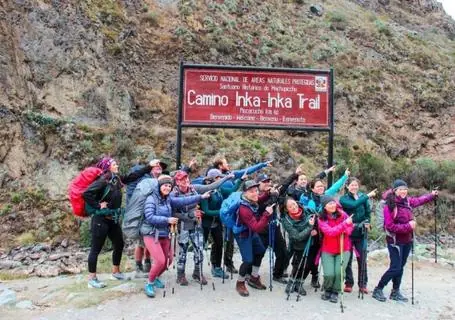
Experience the ultimate 7-day Inca Trail adventure, combining breathtaking Andean trekking, cultural highlights, and a rewarding arrival at Machu Picchu.
card-type-tagAdventure
card-activity-tagModerate - Demanding
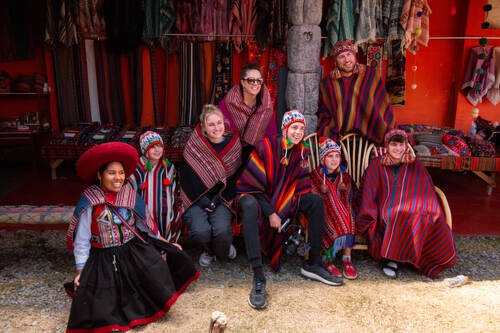
Valencia Travel's classic Peru trip is a bucket-list adventure. This 7 Day trip will take you on unforgettable experiences throughout the Peruvian heartland.
card-type-tagCultural, Gastronomy
card-activity-tagEasy
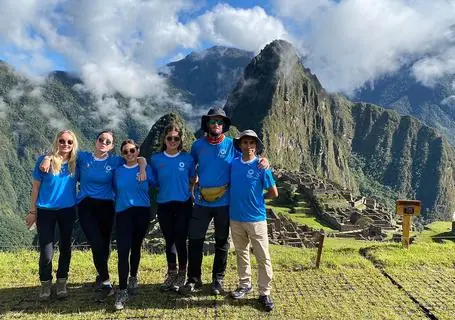
Trek on the legendary 4-day Classic Inca Trail to Machu Picchu! This ultimate 2027 summer adventure vacation highlights gorgeous ancient Inca ruins, dramatic alpine passes, and pristine cloud forests.
card-type-tagAdventure
card-activity-tagModerate - Demanding
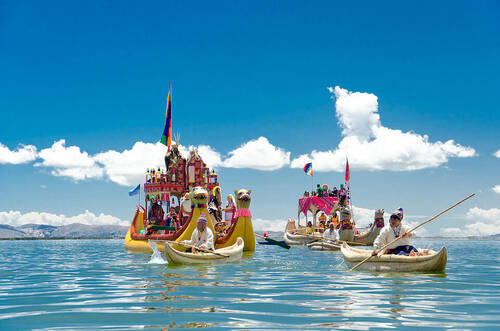
Discover Peru's sites on our 12-Day Classic Peru Tour. Visit Machu Picchu, Lima's culinary delights, and Cusco's cultural heritage. Experience all this and more!
card-type-tagCultural
card-activity-tagModerate




asso-info-description