
 Aventure
 Cultural
 Gastronomy
 Wellness
 Local Living
 Luxury
A Sweet Journey Through Peru: A Guide to Traditional Peruvian Desserts
Written by:Claire Dean
Last Update: 2026-06-12
Peru is famous around the world for its cuisine, and its desserts are just as memorable as its savory dishes. Influenced by Indigenous traditions, Spanish colonial recipes, and generations of cultural exchange, traditional Peruvian desserts showcase a remarkable variety of flavors and ingredients. From sweet potato-based picarones and creamy suspiro a la limeña to colorful mazamorra morada, these treats tell the story of Peru’s diverse culinary heritage. Whether you are planning your first visit or simply exploring Peruvian food culture, discovering the most popular Peruvian desserts is a delicious way to experience the country. Here are some of the best desserts to eat in Peru try on your next Peru vacation! At Valencia Travel, we want to make sure you enjoy every bite of your journey.
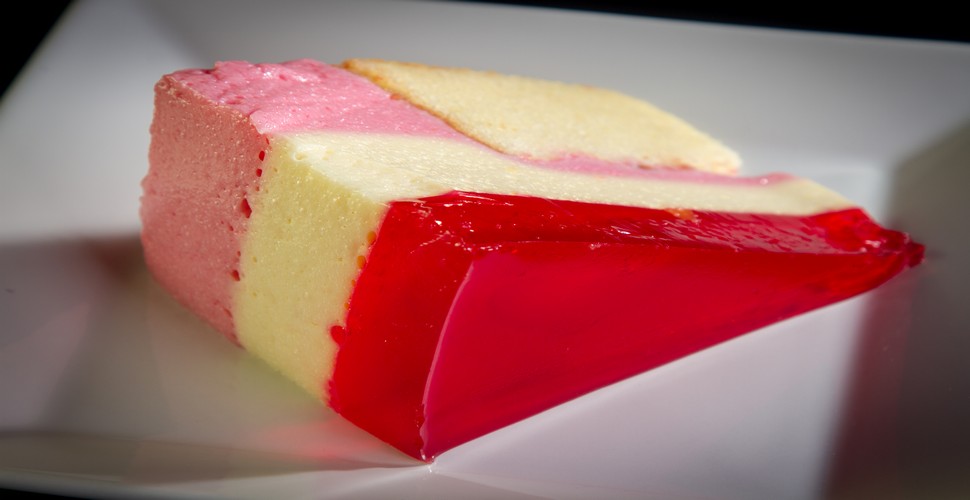
Pastel de Helado
What Are the Most Popular Peruvian Desserts?
Peru is home to a wide variety of traditional desserts shaped by Indigenous, Spanish, African, and Asian influences. From the sweet potato-based picarones sold on street corners to the creamy suspiro a la limeña served in Lima’s restaurants, each dessert reflects a different part of the country's culinary heritage. If you are wondering what desserts are in Peru or what Peru's famous dessert is, these classic treats offer a delicious introduction to the flavors and traditions that make Peruvian cuisine unique.
You cannot talk about traditional Peruvian sweets without thinking about this classic dessert. Tres Leches is a cake that is usually soaked in milk and syrup. This is made by combining evaporated milk, sweetened condensed milk, and whole milk. However fresh cream can also be an excellent substitute. The result is a cake with a consistency similar to that of pudding. It’s quite big and heavy, so make sure you’re hungry when trying it! It is usually topped with whipped cream and cinnamon. One of the most popular desserts in Peru, it can be enjoyed in restaurants, bakeries, and cafés popular throughout Peru and can be found in most restaurants and cafes.
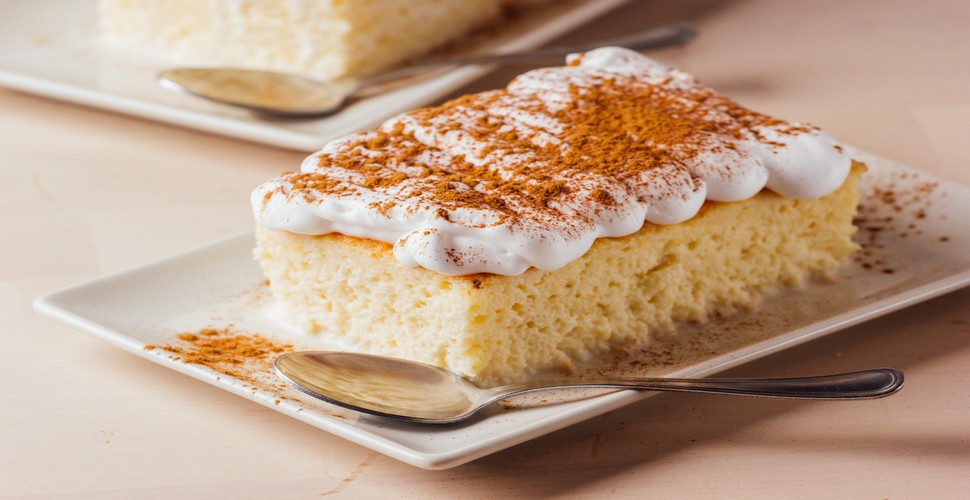
Tres Leches
Picarones
One of the best desserts to eat in Peru during your stay are Picarones. Picarones are the Peruvian equivalent of donuts. For this reason, they are also often considered Peruvian donuts and their origins go back to pre-Hispanic times when the Incas elaborated a similar recipe with sweet potato and pumpkin. Years later, on the central coast of Peru, the recipe was combined with other ingredients that the Spanish conquerors introduced, such as wheat flour and sugar, resulting in the famous Picaron.
Unlike donuts, Picarones are made from mashed sweet potatoes and pumpkins. After frying the pancakes, they are spread in Chancaca, a delicious honey-like syrup. They are often flavored with cloves, cinnamon, and orange peel. Among the most traditional Peruvian desserts, picarones remain a favorite street food throughout Peru. These are traditionally from the Andean region and are perfect on a cold Cusco evening!
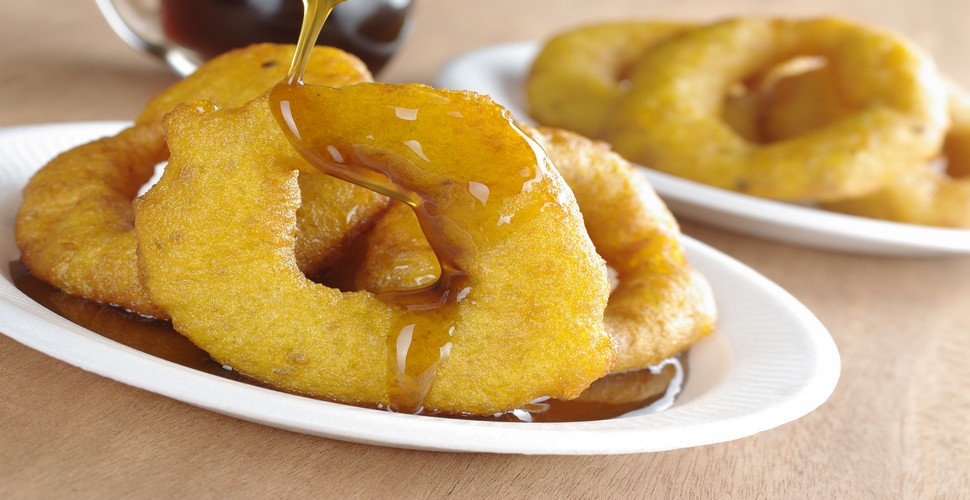
Picarones
Alfajores
Originally from Argentina, these biscuits are also a popular treat in Peru. Alfajores are delicate sandwiches made of biscuit-like cookies made with two shortbread layers and filled with dulce de leche (caramelized condensed milk) and sometimes rolled in coconut flakes. These delectable sweets are perfect with a coffee and are among the most recognizable desserts to eat in Peru.
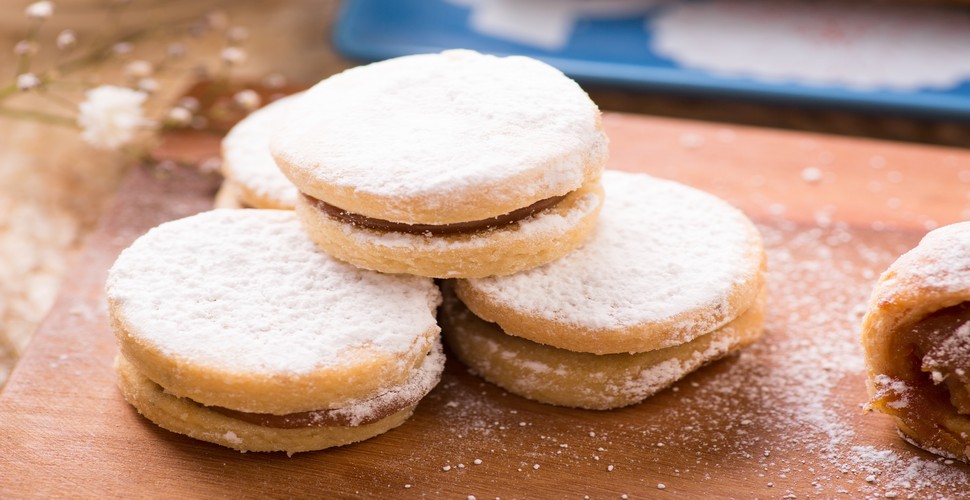
Alfajores
Mazamorra Morada
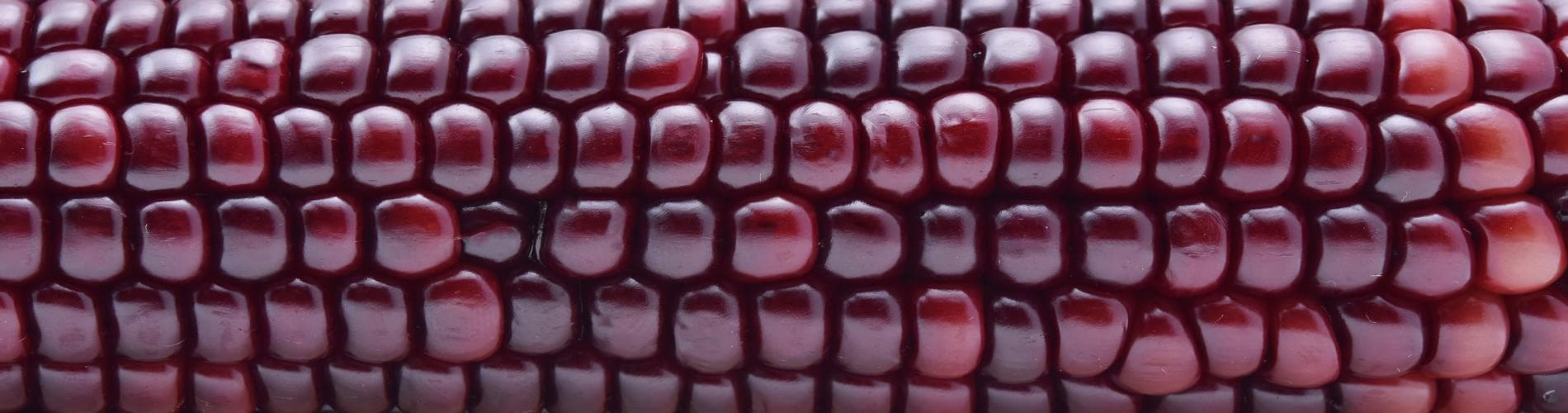
Another traditional sweet worth trying is Mazamorra Morada. This well-known dessert is made with purple corn as the main ingredient. Api is the Quechua name of this type of corn. The purple corn gives this dessert its iconic color and distinctive flavor. As well as corn, certain fruits such as pineapple, peaches, apple, as well as cinnamon and cloves are also usually added.
This dessert is consumed throughout the year, but it is often more popular in the long winters of the country. Mazamorra is the solid version of the popular Chicha Morada drink which is enjoyed throughout Peru and you will often find it alongside an Arroz con Leche or warm rice pudding. For travelers wondering "What is Peru's famous dessert?", mazamorra morada is often among the most iconic answers. This beloved treat is enjoyed across Peru !
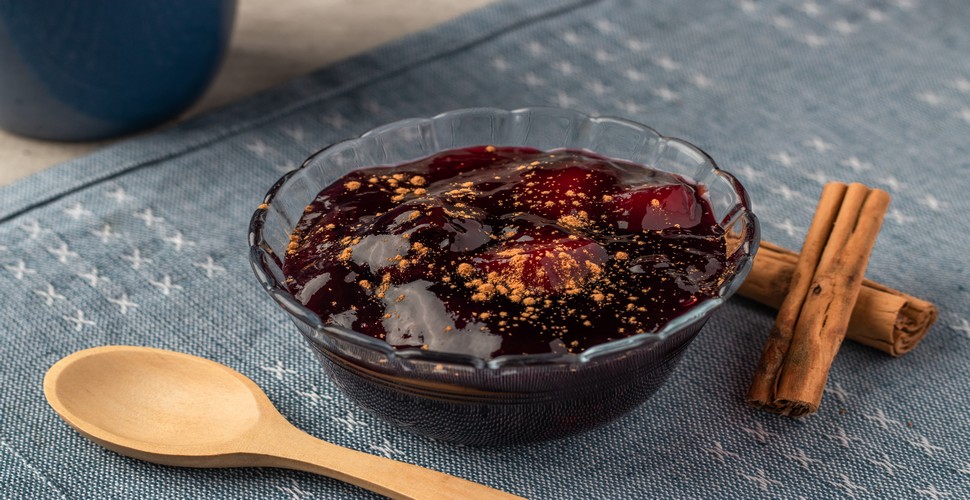
Mazamorra
Suspiro de La Limeña
Literally translated to "Sigh of a Lady from Lima," this indulgent dessert consists of a creamy and velvety caramel base called manjar blanco (similar to dulce de leche) topped with a fluffy meringue and often dusted with cinnamon. The Suspiro de Limeña is one of the oldest desserts in Peru; its origin dates back to Lima in the 19th century when Amparo Ayarza created the recipe for this delight and her husband, the poet Jose Galvez, crowned the creation of his beloved with a name as romantic as Suspiro de Limeña.
This dessert is served in individual glasses or bowls at normal temperature or frozen. This classic Lima specialty is considered one of the country's most beloved sweet treats and remains a staple in some of the best restaurants in Lima.
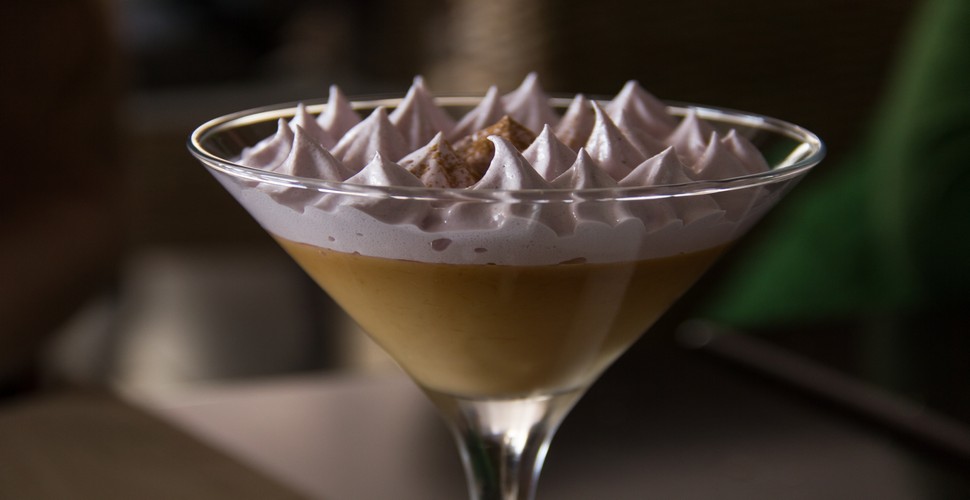
Suspiro de la Limeña
Arroz con Leche
A comforting rice pudding made with rice, milk, cinnamon, and sweetened condensed milk. It is often garnished with raisins and dusted with cinnamon. As previously mentioned, arroz con leche is often served with a dollop of mazamorra on the side. This iconic and internationally known dish, known as rice pudding, is one of the classic Peruvian desserts to enjoy.
It is usually sold in the different carts of street vendors and is often accompanied by Mazamorra Morada. This dessert, with the consistency of pudding, is a classic for Peruvian palates and is typically a great companion on cold winter days. Without a doubt, Arroz con Leche is a must.
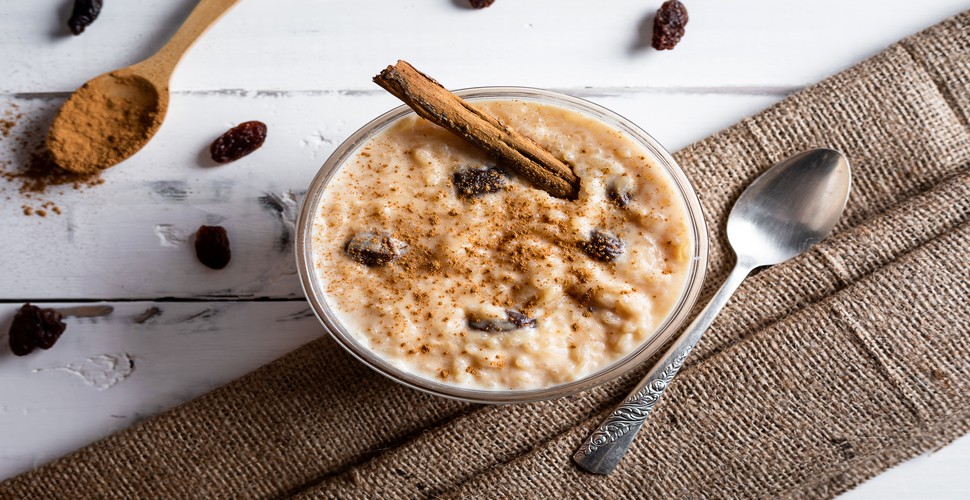
Arroz con Leche
King Kong
King Kongs come from the North of Peru, around the Chiclayo region. It is a large cookie-like dessert made with flour, butter, and sugar, and filled with manjar blanco, nuts, and sometimes dried fruits. It is often shaped into a rectangle or round and topped with powdered sugar, making it a favorite treat for those with a sweet tooth.
Alfajor de Trujillo was the first name of this traditional northern Peruvian dessert. The unofficial history says that a baker from Trujillo decided to prepare a traditional dessert, but much bigger. In 1933, the first King Kong movie premiered. The northern Peruvians related both elements due to their enormity, and the Alfajor of Trujillo was eventually renamed King Kong. The result is a traditional sweet that remains popular throughout Peru.
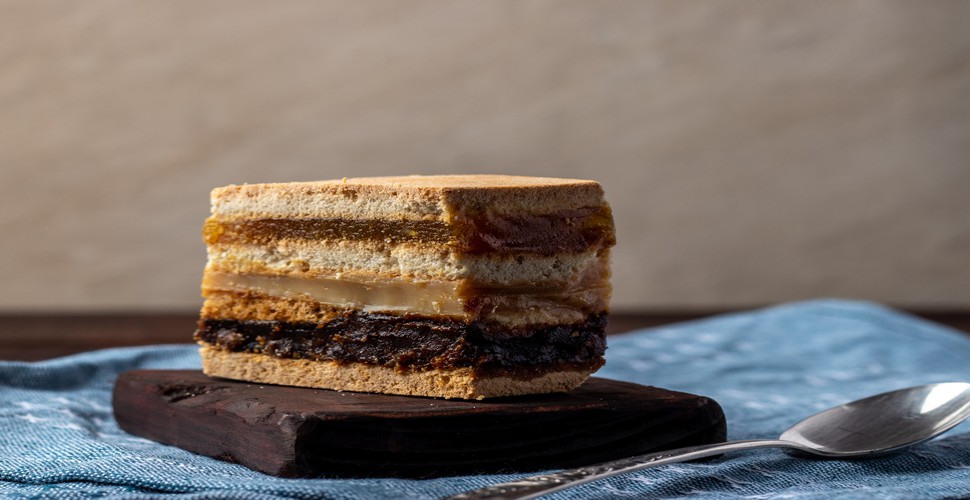
King Kong
Turron de Doña Pepa
Doña Pepa’s Turrón is a well-known traditional sweet that is usually consumed more frequently during October. According to tradition, Josefa Maraminillo, an Afro-Peruvian woman, was brought to Lima while suffering from paralysis in her limbs and attended the Lord of Miracles celebrations.
One night, in Lima, Josefa dreamed of saints who revealed the recipe for a special nougat associated with the purple month. According to the story, she was completely healed the following morning.
This layered nougat is covered with Chancaca, a delightful sugar syrup, and decorated with colorful sprinkles that make it instantly recognizable. Among souvenirs to buy in Peru, Turrón de Doña Pepa remains one of the sweetest gifts visitors can bring home from Peru!
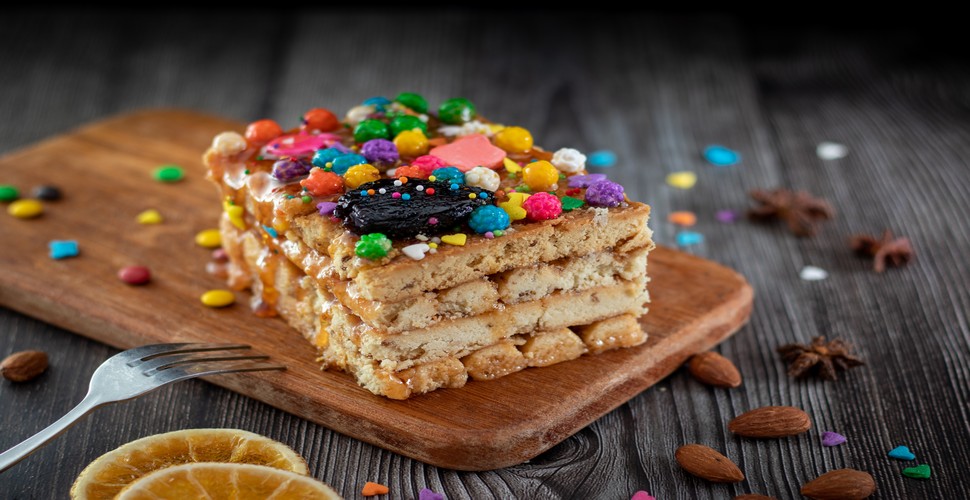
Turron de Doña Pepa
Choco Tejas
Tejas is the Peruvian version of truffles. This Peruvian dessert originates from the desert region of Ica. They are usually dipped in a white sugar fondant. However, chocotejas are also a popular alternative, with a dark chocolate exterior. Inside, you can find a layer of walnuts and Manjar Blanco, among other ingredients. These delicacies are often wrapped in paper and are an excellent gift for relatives back home. They are typically coated in powdered sugar and can be found along the coast and especially in the Arequipa region.
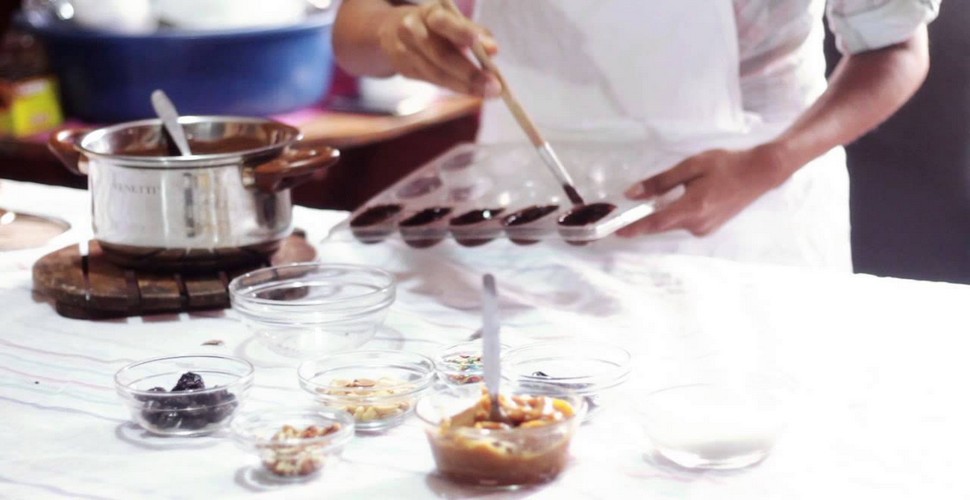
Making Choco Tejas
Mazamorra de Quinua
A variation of the traditional mazamorra, this dessert is made with quinoa, milk, cinnamon, and sugar. It is cooked until the quinoa is tender and has a creamy consistency. This is a delicacy of the highland region of Peru and can be enjoyed throughout the Cusco region.
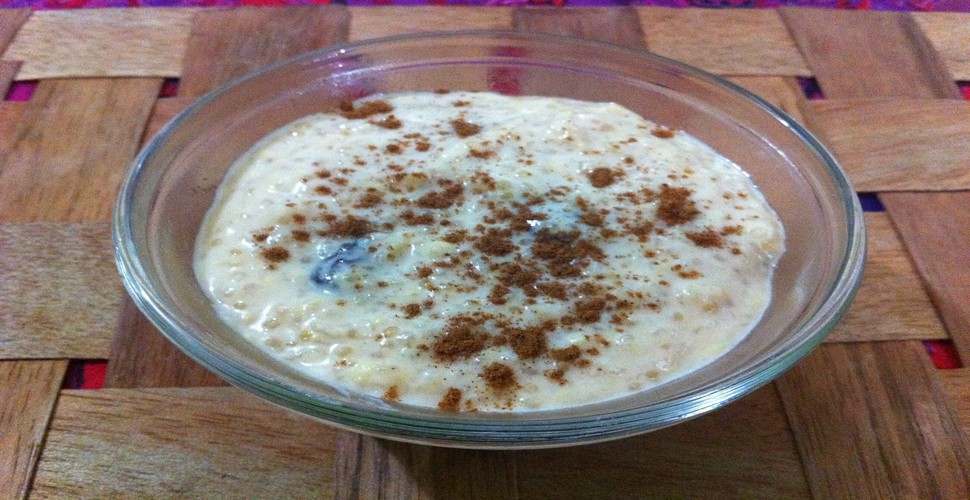
Mazamorra de Quinua
Mazamorra De Cañihua
Cañihua is one of the many Andean cereals with a high nutritional value, native to Peru. It offers twice the protein of wheat, rice, and even oats. This cereal is cultivated in the north of Titicaca Lake and can resist extremely cold weather. To prepare Cañihua, the grain has to be boiled with cinnamon and cloves. This is then mixed with egg yolks, flour, and carob juice. When the mixture thickens, sugar or honey is added to taste.
Queso Helado
Translated to "frozen cheese", the taste is definitely far removed from its namesake. The unique texture and flavor of this dessert make it a true Peruvian specialty. According to history, the dessert was first prepared by the Catholic nuns at the Santa Catalina Convent in the center of Arequipa.
Contrary to belief, queso helado does not contain cheese and the main ingredient is actually fresh cow’s milk, which hints at the origins of its name. This dessert is a refreshing sweet made with milk, cinnamon, cloves, and coconut. It has a creamy texture similar to ice cream and is often served in small cups or cones. You can enjoy queso helado throughout Peru and it is especially delicious on a warm sunny day.
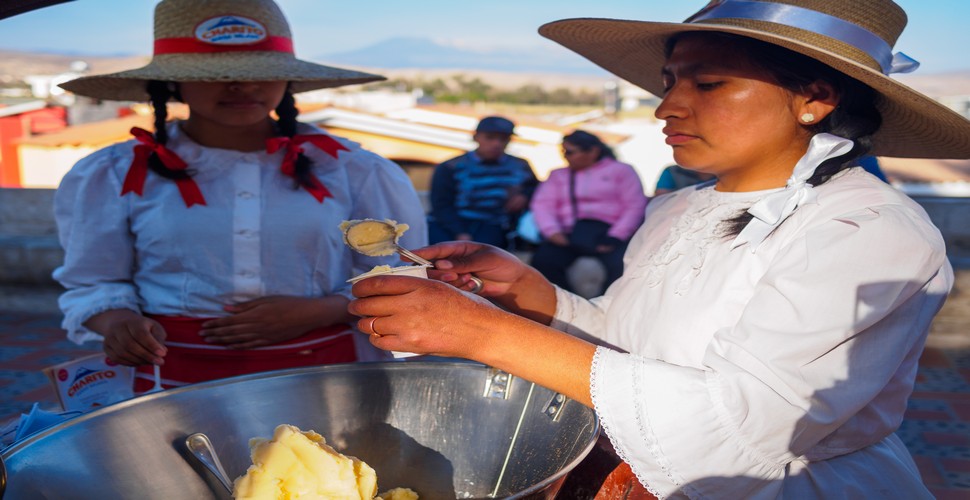
Queso Helado
Humitas Dulces
Humitas Dulces were named “The Incas bread” by the chronicler and historian Garcilaso de la Vega. The term Humita comes from the Quechua word “Huminta” which means cornbread. The Incas used to prepare them for main festivities and special occasions. Humitas Dulces are still available to this day in southern Peruvian cities like Cusco, Arequipa and Puno. Fresh corn is blended with milk and added to a preparation of melted margarine, cinnamon, honey, and clove. After some minutes of cooking, the mixture is wrapped in corn leaves and boiled in water inside large saucepans.
Panettone
Did you know that Peru is the second country, after Italy, in the consumption of panettone? The Peruvian Panettone is a delicious cross between cake and bread. This is one of the most popular Peruvian desserts and is generally consumed around festive times such as Christmas and New Year’s Eve.
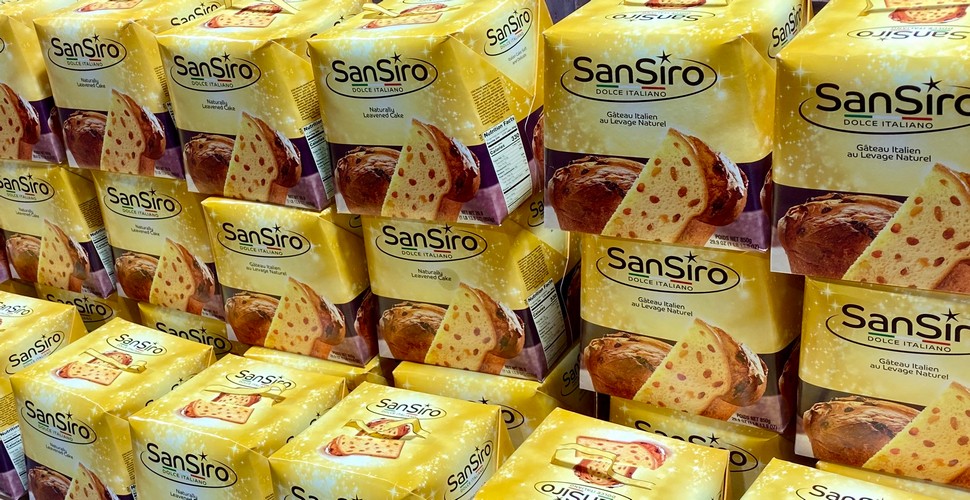
Panettone
Why Try Traditional Peruvian Desserts?
Peruvian desserts offer a delicious introduction to the country’s history, culture, and regional diversity. From the streets of Lima to the markets of Cusco and the northern coast, every sweet treat reflects centuries of culinary tradition and local creativity. Whether you are searching for traditional Peruvian desserts, wondering what desserts are in Peru, or simply looking for new flavors to discover, these iconic sweets deserve a place on your travel itinerary.
If you are planning a trip to Peru, experiencing these traditional sweets alongside the country’s world-famous cuisine is part of the adventure. Embark on a journey through Peru's sweet delights and experience the warmth, tradition, and irresistible sweetness that these desserts have to offer. Let them transport you to the vibrant streets, bustling markets, and enchanting flavors that define Peruvian cuisine. At Valencia Travel, we help travelers discover authentic cultural experiences throughout Peru, from Machu Picchu and Cusco to hidden culinary gems where unforgettable flavors await.
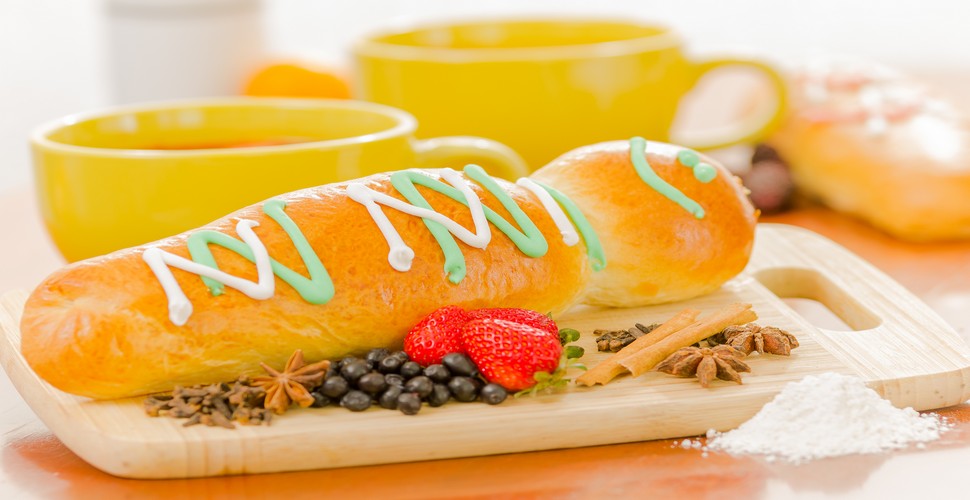
Pan Wawa
SHARE THIS POST
Popular Posts